


We all love a sweet treat now and then—whether it’s a fizzy soda, a chocolate bar, or a sugary latte. But while these indulgences satisfy our cravings, they wreak havoc on our teeth. The UK consumes an alarming amount of sugar, with adults averaging 55g per day—far above the recommended 30g limit.
It’s no secret that sugary snacks and fizzy drinks aren’t exactly your teeth’s best friends. But how much damage are they really doing—and why does it matter so much? Whether you’re sipping a can of cola with lunch or sneaking a sweet treat after dinner, your daily choices could be quietly eroding your dental health.
In this in-depth guide, we’ll uncover the not-so-sweet truth behind sugar and soda. From the science of tooth decay to practical tips to protect your smile, we’ll break it down so you can make better choices without giving up everything you love.
The Hidden Dangers Behind Your Sweet Tooth
Why Sugar Is the Silent Destroyer of Your Dental Health

You brush and floss daily, yet cavities still creep in—sound familiar? Sugar may be the silent culprit.
Sugar doesn’t directly rot your teeth; it feeds the harmful bacteria in your mouth, which produce acid as a by-product. That acid then erodes the protective enamel layer of your teeth, leaving them exposed to decay and sensitivity. Over time, this weakens the tooth structure, resulting in cavities and even tooth loss if left untreated.
What makes sugar so dangerous?
- Frequency matters more than quantity – Sipping sugary tea throughout the day is more harmful than having a single chocolate bar.
- Sticky sugars are worse – Caramel, gummies, and dried fruits stick to teeth, prolonging acid attacks.
- Liquid sugar is sneaky – Sweetened drinks coat every surface of your mouth, making them extra destructive.
How Soda Erodes Enamel — Even Sugar-Free Options Aren’t Safe

Think sugar-free soda is a safer bet? Think again.
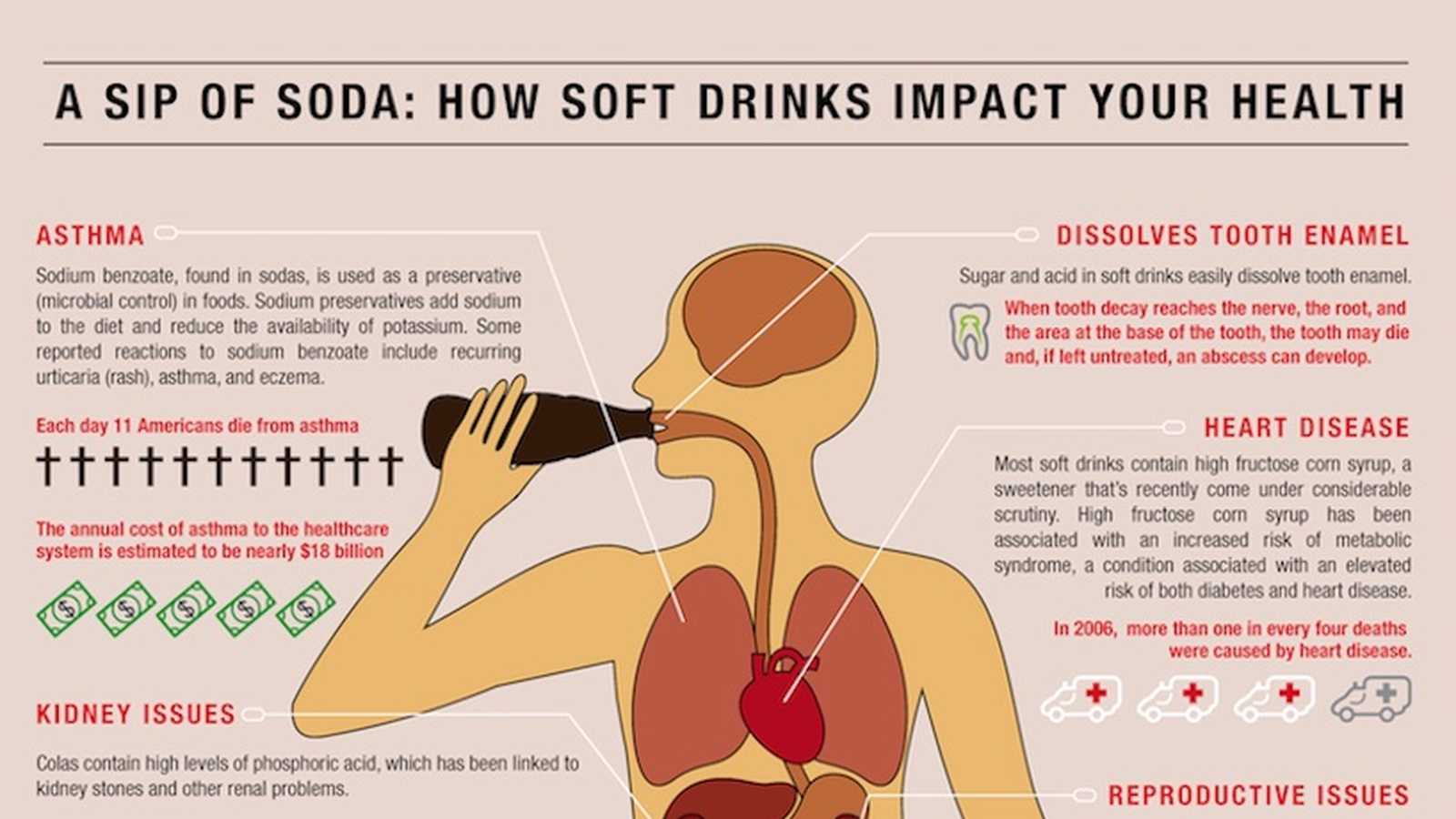
Even diet fizzy drinks contain phosphoric and citric acids, which lower your mouth’s pH and start breaking down tooth enamel. Enamel is the hardest substance in your body, but once it’s gone—it doesn’t grow back.
The numbers don’t lie:
- Cola drinks can have a pH as low as 2.5 (as acidic as lemon juice).
- Enamel begins to dissolve at pH 5.5.
Acid vs. Sugar: Which Does More Damage to Your Teeth?
Both are destructive, but in different ways:
| Factor | Sugar | Acid |
| Primary harm | Feeds bacteria to produce acid | Directly erodes enamel |
| Delay of damage | Takes time as acid builds up | Starts damaging teeth almost immediately |
| Long-term effect | Leads to cavities | Leads to enamel thinning and sensitivity |
👉 Bottom line: Sugar fuels acid production, while acid cuts straight to the chase. Combined, they’re a one-two punch to your dental health.
What Happens to Your Teeth When You Drink Soda Every Day

The Chain Reaction: From Sips to Cavities
That seemingly harmless can of soda kicks off a series of events in your mouth:
- First sip – Sugar and acids flood your mouth.
- Bacterial feeding frenzy – Sugar-loving bacteria produce lactic acid.
- Enamel under attack – Acid weakens your enamel, layer by layer.
- Mineral loss – Teeth lose calcium and phosphate, crucial for strength.
- Cavity formation – Softened enamel caves in, creating holes.
The Role of Acidity in Tooth Decay and Enamel Loss
Acid softens enamel just like vinegar softens chalk.
Even if you drink through a straw, swish with water afterward, or brush your teeth later, your enamel has already taken a hit. Plus, each acid attack can last up to 20–30 minutes after the last sip.
Sugar and Soda: A Double Threat to Kids’ Oral Health

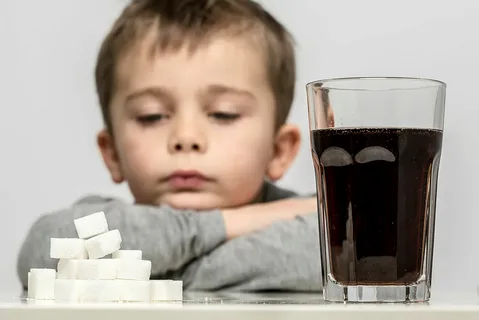
Why Children’s Teeth Are More Vulnerable
Kids love sweets and fizzy drinks—and unfortunately, their teeth are more susceptible to damage.
- Thinner enamel makes them more prone to decay.
- Inconsistent brushing habits mean food particles linger longer.
- Baby teeth have less mineral density, making cavities spread faster.
In the UK, one in three children starts school with signs of tooth decay. That’s a preventable crisis.
Kids to Prevent Cavities
Every parent wants their child to have a healthy, cavity-free smile, but with sugary snacks and inconsistent brushing habits, cavities remain a common concern. The good news is that with the right dental care routine, you can significantly reduce your child’s risk of tooth decay. In this comprehensive guide, we’ll share 10 proven dental care tips for kid backed by pediatric dentists, along with expert insights on brushing techniques, diet choices, fluoride use, and preventive measures. We’ll also cover common mistakes parents make and creative ways to make oral hygiene fun for toddlers and young kids. By implementing these strategies early, you can help your child develop lifelong habits that protect their teeth and overall health.
Preventing Sugar-Related Cavities in Young Smiles
Want to protect your child’s teeth? Here’s how:
- Swap sugary drinks for water or milk.
- Limit sweets to mealtimes only to reduce frequent acid exposure.
- Use fluoride toothpaste to strengthen enamel.
- Teach proper brushing and flossing habits early.
- Visit the dentist every 6 months for check-ups and sealants.
🎯 Pro Tip: Use fun timers or tooth-brushing apps to encourage kids to brush for the full two minutes.
The Science of Sugar, Soda, and Tooth Decay
How Bacteria Feed on Sugar to Create Acidic Attacks
When you eat sugar, you’re not just feeding yourself—you’re feeding the bacteria living on your teeth.
The main culprits? Streptococcus mutans and Lactobacillus.
These bacteria:
- Metabolize sugars into acids.
- Thrive in low pH environments.
- Form plaque—a sticky biofilm that traps acid against your teeth.
The longer plaque sits, the more damage it causes. This is why regular brushing and flossing are non-negotiable.
Understanding pH Levels and Their Impact on Tooth Enamel
Tooth-friendly foods and drinks have a pH above 5.5. Anything lower is considered acidic.
| Drink | Average pH | Tooth Safety |
| Water | 7.0 | ✅ Safe |
| Milk | 6.5 | ✅ Safe |
| Diet Cola | 3.2 | ❌ Harmful |
| Orange Juice | 3.8 | ❌ Harmful |
| Sports Drinks | 2.9–3.5 | ❌ Highly Acidic |
Repeated exposure to low-pH drinks strips enamel, weakens teeth, and can even lead to erosion visible to the naked eye.
Surprising Foods and Drinks That Harm Teeth Like Soda Does
Sports Drinks, Fruit Juices, and Energy Drinks — Just as Bad?
Yes—sometimes worse.
Don’t be fooled by “natural” or “healthy” labels. Many fruit juices and energy drinks contain both sugar and acid, making them doubly harmful.
- Sports drinks: High in citric acid, low in pH.
- Fruit juices: Even 100% juice has fructose and citric acid.
- Smoothies: Sticky, sugary, and often consumed slowly—perfect for prolonged damage.
Tip: Look for products with the Sugar Smart label in the UK to make informed choices.
How to Protect Your Teeth If You Love Soda and Sweets

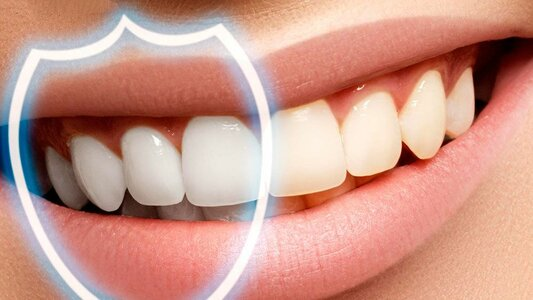
Smart Dental Habits That Neutralize Sugar’s Effects
You don’t have to swear off all treats. Just be smart about how you enjoy them:
- Drink in one go, not sips – Frequent exposure does more harm.
- Use a straw to limit contact with teeth.
- Rinse with water or chew sugar-free gum after.
- Wait 30 minutes before brushing after acidic drinks to avoid scrubbing away softened enamel.
- Get regular fluoride treatments from your dentist.
Can Rinsing After Soda Help? What Dentists Recommend
Yes—rinsing with water immediately after drinking soda can dilute and wash away acid residues. But avoid brushing right away. Brushing too soon can spread acid deeper into the enamel, especially if it’s been softened by the drink.
Instead:
- Rinse with plain water or fluoride mouthwash.
- Wait 30–60 minutes.
- Brush gently with a soft-bristled toothbrush.
Best Times of Day to Consume Sugary Drinks (If You Must)
If you must indulge, have sugary drinks with meals, not as standalone snacks. Why?
- Meals stimulate saliva flow, which helps neutralise acids.
- Food provides a buffer against enamel-softening effects.
- Avoid nighttime consumption—saliva production drops while you sleep.
Real-Life Results: What Long-Term Soda Consumption Looks Like
Early Warning Signs Your Teeth Are Being Affected
Not sure if your soda habit is taking a toll? Watch for these early signs:
- Increased sensitivity to hot, cold, or sweet foods.
- Chalky or translucent spots on your teeth.
- Dry mouth or frequent bad breath.
- Cavities in hard-to-reach spots (between molars or near the gumline).
Reversible vs. Irreversible Damage to Watch For
Some damage can be halted or even reversed with good habits and early intervention:
✅ Reversible:
- Early enamel demineralisation.
- Mild sensitivity.
- Surface discoloration.
❌ Irreversible:
- Deep cavities.
- Enamel erosion.
- Tooth fractures and pulp exposure.
Are Sugar Substitutes Better for Your Teeth?
The Truth About Diet Soda and Artificial Sweeteners
Artificial sweeteners like aspartame or sucralose don’t feed bacteria, so they don’t directly cause cavities. However, diet sodas still often contain acidic ingredients that can erode enamel.
The bottom line? Less sugar is better, but acid is still a concern.
Natural Alternatives That Won’t Wreck Your Smile
Looking for safe, tooth-friendly options? Try these:
- Water with fruit slices (like cucumber or strawberries).
- Herbal teas (chilled and unsweetened).
- Xylitol-sweetened gum or mints.
- Milk or fortified plant-based alternatives.
Xylitol, in particular, has been shown to reduce cavity-causing bacteria and boost saliva production.
Final Thoughts
Sugar and soda are more than just dietary concerns—they’re direct threats to your oral health. From the moment you take a sip or bite, your teeth are under attack. But knowledge is power. Understanding how sugar and acids work together to break down your enamel can empower you to make smarter choices.
Whether you’re a parent trying to protect your child’s smile, or an adult looking to undo years of sugary habits, it’s never too late to start making changes. Swap one soda a day for water. Add a fluoride rinse to your routine. Educate yourself, and your family, on the risks—and your teeth will thank you for decades to come.
Related Resources (UK-based):
- NHS Guide to Sugar and Dental Health
- Oral Health Foundation – Dental Decay Explained
FAQS
1. How does sugar actually damage my teeth?
Sugar feeds harmful bacteria in your mouth, which produce acids that erode tooth enamel. Over time, this leads to cavities, decay, and even gum disease.
2. Why is soda worse than other sugary drinks for teeth?
Soda is a double threat—it contains high amounts of sugar and is highly acidic. The acid weakens enamel, while sugar fuels cavity-causing bacteria, speeding up tooth decay.
3. Can diet soda harm my teeth since it has no sugar?
Yes! Even sugar-free sodas are acidic and can weaken enamel. While they don’t feed bacteria like regular soda, frequent consumption still increases the risk of erosion and sensitivity.
4. How can I protect my teeth if I consume sugar or soda?
Drink water afterward to rinse your mouth.
Use a straw to minimize contact with teeth.
Wait 30 minutes before brushing (to avoid damaging softened enamel).
Maintain good oral hygiene (brushing, flossing, and regular dental checkups).
5. What are the first signs of tooth damage from sugar and soda?
arly warning signs include:
Increased tooth sensitivity
White spots (early enamel erosion)
Discoloration or yellowing
Pain when eating sweets (a sign of cavities)