


If you struggle with oily skin, you’ve likely faced the frustration of watching your carefully applied makeup break down by lunchtime. The culprit? Excess sebum production, improper product layering, and not understanding how to balance hydration with oil control. Fortunately, with the right approach, applying makeup after an oily skin care routine can result in a long-lasting, shine-free finish. This article walks you through everything you need to know—from prepping your skin to layering the best products—so your makeup not only stays put but looks fresh and flawless all day long.
This guide will walk you through exactly how to apply makeup after an oily skin care routine—without looking greasy, cakey, or shiny by midday. Whether you’re prepping for work, a date, or a photoshoot, this is your go-to resource.
Why Prepping Oily Skin Before Makeup Makes All the Difference: How to Apply Makeup After an Oily Skin Care Routine

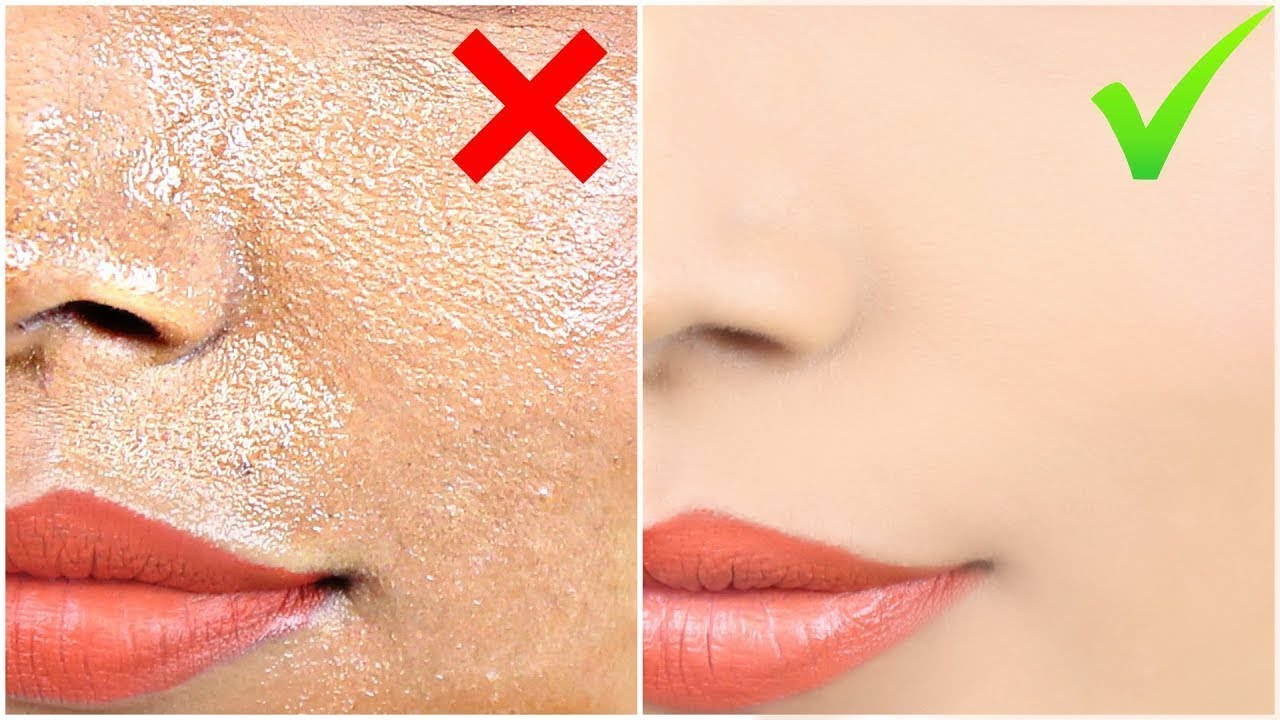
Prepping oily skin before applying makeup isn’t just a suggestion—it’s essential. Think of your skin as a canvas; if it’s greasy, uneven, or overloaded with product, your makeup will simply slide off or settle into pores. Proper skin prep minimizes oil, smooths out texture, and creates a balanced surface for foundation and other products to adhere. The goal is to strike a balance between controlling oil and maintaining hydration. Begin with a gentle, oil-free cleanser that removes dirt and impurities without stripping your skin’s natural moisture. Follow up with an alcohol-free toner—witch hazel or a toner containing niacinamide works wonderfully for oily skin types. Next, use a lightweight, non-comedogenic moisturizer. Yes, even oily skin needs hydration. Skipping this step often backfires, causing your skin to produce even more oil to compensate. Finish your prep with a broad-spectrum sunscreen that’s oil-free and matte-finish, particularly if you’re applying makeup during the day. Each of these steps primes your skin for better makeup performance and longevity.
Why it matters:
- Oily skin can break down foundation quickly.
- Unbalanced skin may lead to clogged pores or acne.
- Makeup can settle into enlarged pores without proper priming.
Key prepping steps:
- Use a gentle, oil-free cleanser to remove excess oil.
- Follow with an alcohol-free toner (witch hazel is a great choice).
- Apply a lightweight, oil-free moisturizer—hydration is still crucial.
- Don’t skip sunscreen, even if you’re wearing makeup later.
Step-by-Step Guide: Flawless Makeup Application After Your Oily Skin Routine
Once your skincare is in place, it’s time to move onto makeup—but don’t rush. Allow each skincare product to absorb fully, particularly your moisturizer and sunscreen. Waiting just five to ten minutes makes a huge difference in how your foundation applies and stays. Begin by applying a mattifying primer, especially across your T-zone and any areas where your pores are more visible or your skin gets oily. Choose a silicone-based primer to blur texture and create a smooth surface. For foundation, opt for an oil-free, long-wear formula that offers a matte or demi-matte finish. Apply it using a damp makeup sponge to avoid overloading your skin and to achieve a more natural finish. Build your coverage gradually. When it comes to concealer, only use it where needed—typically under the eyes, around the nose, and over any blemishes. Avoid layering too much on oily areas. Once your base is in place, use a translucent loose setting powder to lock it in. Press the powder into your skin with a puff or sponge rather than brushing it on, which can disturb the foundation. Finish with a mattifying setting spray to seal your makeup and enhance wear time. This full process may take a bit longer, but the results are worth it: balanced skin, minimized shine, and a face that stays put all day.
1. Let Your Skincare Set (Wait 5–10 minutes)
After your moisturizer or sunscreen, give your skin a breather. This helps avoid product pilling and allows your skin to fully absorb ingredients.
2. Apply Mattifying Primer
Target the T-zone and any areas prone to shine. A silicone-based primer can blur pores and control oil.
3. Use Oil-Free Foundation
Look for long-wear or matte-finish formulas that specifically say “for oily skin.” Apply with a damp beauty sponge to avoid buildup.
4. Conceal Strategically
Dab a small amount of concealer only where needed (under eyes, blemishes, redness). Avoid layering too much product on oily areas.
5. Set with a Translucent Powder
Use a loose setting powder, focusing on your T-zone. Press it in with a powder puff for better absorption.
6. Optional: Setting Spray
Finish with a matte setting spray to lock it all in. Bonus: it can help makeup resist humidity and sweat.
What to Avoid When Applying Makeup Over Oily Skin

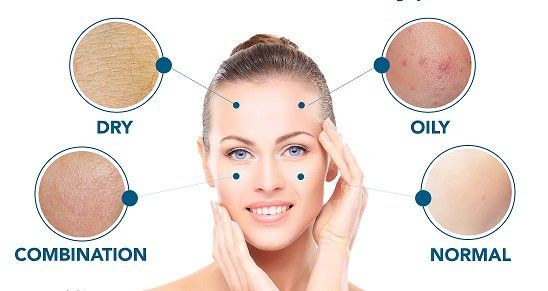
While it’s important to know what to do, it’s equally critical to know what not to do when applying makeup after an oily skincare routine. One of the biggest mistakes people make is skipping moisturizer altogether. The idea that oily skin doesn’t need hydration is a myth. Without moisture, your skin produces even more oil to compensate, leading to a greasier appearance. Another mistake is overloading on heavy creams or rich foundations, which can clog pores and break down quickly. It’s also common to over-powder the skin in an attempt to stay matte, but this can result in a cakey or patchy finish that looks worse over time. Using incompatible products—like layering an oil-based primer with a water-based foundation—can cause pilling and separation. And perhaps the most underestimated mistake? Rushing the process. If you apply makeup immediately after your skincare, it doesn’t have time to settle, and the layers don’t adhere properly. Understanding these common pitfalls and taking the time to do each step correctly can transform how your makeup performs.
et’s talk about the common pitfalls:
- Skipping moisturizer – Oily skin still needs hydration.
- Heavy cream-based products – They can clog pores and melt.
- Over-powdering – Can lead to a cakey, patchy look.
- Not blending well – Oil can cause makeup to separate; use proper blending tools.
Avoid these mistakes to keep your skin looking fresh, not overloaded.
How to Prevent Foundation from Sliding Off Oily Skin
If your foundation often seems to melt off within hours, you’re not alone. Oily skin can easily break down base products if the prep and product selection aren’t tailored for it. To prevent this, start by selecting the right primer—look for oil-absorbing and pore-filling formulas. Then, choose a foundation that specifically states it’s designed for oily or combination skin, with terms like “matte finish,” “long-wear,” and “oil-free.” Apply your foundation in thin, even layers, using a damp sponge or brush designed for liquid makeup. Don’t cake on product in hopes it will last longer; more product often means more separation later. After applying, let the foundation sit for a few minutes before using a loose powder to set it. This waiting period allows the foundation to slightly dry down, locking it in. Using the baking technique—applying a generous layer of setting powder to areas like under the eyes and nose, then dusting it off after a few minutes—can help too. Lastly, finish with a setting spray formulated for oily skin. These small adjustments in how you apply your foundation can dramatically improve its wear throughout the day.
This is probably the biggest concern for oily-skin folks. To keep your foundation in place:
- Use an oil-controlling primer before foundation.
- Choose water-based or matte foundations.
- Apply thin layers and build coverage gradually.
- “Bake” your makeup using a loose powder under the eyes and around the nose.
- Blot excess oil mid-day using blotting paper or oil-absorbing sheets.
Consistency in technique is everything.
Which Makeup Products Work Best After Oily Skin Prep?

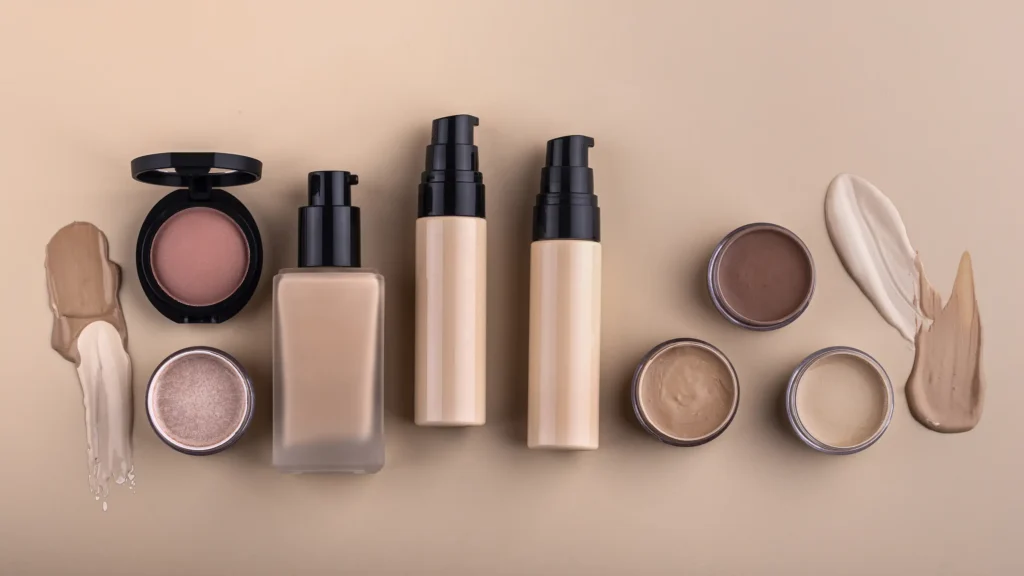
The best makeup products for oily skin are those that work in synergy with your prep routine. These include a mattifying primer, an oil-free foundation, a crease-resistant concealer, a lightweight setting powder, and a setting spray designed for long wear. When shopping, look for labels that say “non-comedogenic,” “oil-free,” and “for oily or acne-prone skin.” Primer should smooth texture and reduce shine—silicone-based primers work well here. Foundations such as Estée Lauder Double Wear, Maybelline Fit Me Matte + Poreless, and Fenty Beauty Pro Filt’r are top choices among professionals and oily-skin users alike. For setting powder, go with loose, finely milled versions like Laura Mercier’s Translucent Setting Powder or the RCMA No Color Powder. Finish with a setting spray like Urban Decay’s All Nighter or NYX Matte Finish. Each of these product types serves a unique role in oil control, adhesion, and finish—when used together, they can completely change your makeup game.
Not all products are created equal—especially for oily skin. Here’s a curated list:
| Product Type | What to Look For | Best Features |
| Primer | Mattifying, pore-minimizing | Silicone-based, blurs shine |
| Foundation | Oil-free, long-wear | Matte, buildable coverage |
| Concealer | Matte finish | Doesn’t crease, stays put |
| Powder | Loose, translucent | Absorbs oil without flashback |
| Setting Spray | Matte finish, alcohol-free | Sets without drying |
Look for brands like Fenty Beauty, Maybelline Fit Me Matte, and Tarte Amazonian Clay for oily-skin-friendly options.
How to Layer Skincare and Makeup Without Getting Greasy
Layering is an art—especially when you’re dealing with oily skin.
Smart layering strategy:
- Lightweight moisturizer → absorbs quickly
- Gel-based sunscreen → non-comedogenic
- Primer → mattifying or blurring
- Foundation → thin layer
- Concealer → only where needed
- Powder → press, don’t sweep
- Setting spray → mist from 10 inches away
What Type of Setting Powder Actually Controls Shine on Oily Skin?

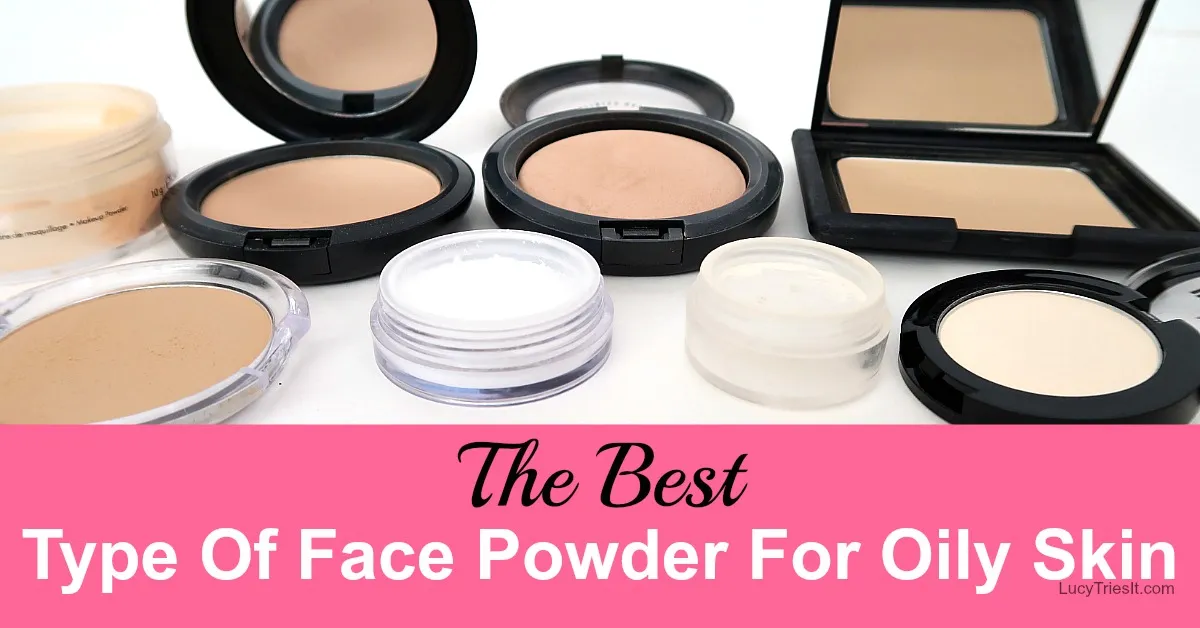
The best setting powders for oily skin are:
- Loose powders, not pressed
- Translucent or tinted (no flashback)
- Contain oil-absorbing ingredients like silica or rice powder
- Finely milled for a smooth finish
Top-rated powders include Laura Mercier Translucent, RCMA No-Color Powder, and Maybelline Fit Me Loose Finishing Powder.
Do You Really Need Oil-Free Foundation for Oily Skin Types?
Yes, oil-free foundation is not just marketing hype. It’s a must for oily skin types.
Oil-based foundations can:
- Slide around the skin
- Oxidize and turn orange
- Exacerbate clogged pores
Instead, opt for:
- Oil-free
- Non-comedogenic
- Matte finish
- Long-wear
Look for labels that specify they’re tested on oily or acne-prone skin.
The Right Way to Use Blotting Sheets Without Ruining Your Makeup
Blotting sheets are your best friend—but only if used correctly.
Do:
- Gently press onto oily areas (T-zone, nose).
- Use before powder touch-ups to avoid caking.
Don’t:
- Rub or swipe—this will disturb your makeup.
- Overuse—only blot when needed to maintain balance.
Best blotting sheets: Clean & Clear, Tatcha Aburatorigami, and Fenty Beauty Invisimatte.
Best Long-Wear Makeup for Oily Skin: What Makeup Artists Recommend
Makeup artists swear by a few go-to staples for oily skin:
- Fenty Pro Filt’r Foundation
- Estee Lauder Double Wear Stay-in-Place
- Tarte Shape Tape Concealer
- Urban Decay All Nighter Setting Spray
- NYX Matte Finish Primer
These are tested in studios and under lights—so if they hold up there, they’ll last all day for you.
How to Touch Up Makeup Midday Without Caking on Oily Skin
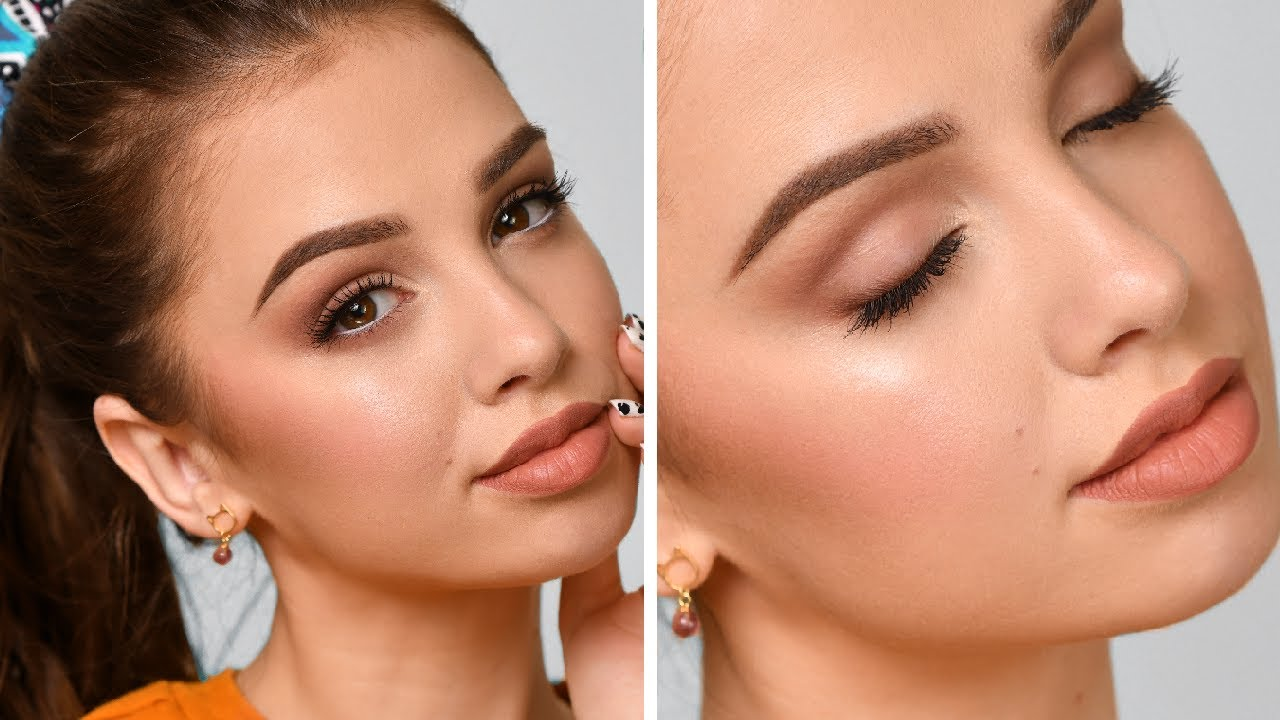
Oily skin means touch-ups are inevitable—but how you do it matters.
Touch-up checklist:
- Blot first
- Apply a small amount of powder with a puff (not brush)
- Use a setting spray to freshen the look
If you notice creasing under your eyes, dab with a damp sponge instead of layering more concealer.
The Biggest Mistakes People Make Applying Makeup After Skincare
Avoid these traps:
- Applying makeup too soon after skincare
- Skipping primer
- Using incompatible formulas (oil + water-based)
- Applying heavy layers
Solution: Let each layer absorb, and use formulas that complement—not compete.
How to Make Your Makeup Last All Day on Oily Skin
To extend your wear time:
✅ Use a long-wear, oil-free base
✅ Apply primer and set with powder
✅ Carry blotting sheets for midday touch-ups
✅ Lock it in with setting spray
✅ Avoid touching your face
Consistency and quality products go a long way.
Skincare to Makeup: How to Build a Balanced Morning Routine
Here’s what your morning routine should look like for oily skin:
- Cleanser – Gentle, foaming, or gel-based
- Toner – Witch hazel or salicylic acid-based
- Moisturizer – Lightweight, oil-free
- Sunscreen – Broad spectrum, SPF 30+
- Primer – Oil-controlling
- Foundation/concealer/powder – Matte & long-lasting
- Setting spray – Matte finish
What Dermatologists Say About Wearing Makeup on Oily Skin

Dermatologists generally agree:
- Oily skin can wear makeup safely if you cleanse properly.
- Non-comedogenic and oil-free are non-negotiable.
- Always remove makeup thoroughly at night.
- Watch for pore-clogging ingredients (like coconut oil or lanolin).
Dr. Shereene Idriss, NYC-based dermatologist, emphasizes:
“Oily skin benefits from lightweight, breathable makeup. But your real power lies in the prep.”
A Makeup Artist’s Secret to Sweat-Proof, Oil-Free Glam
Celebrity MUA tip: Layer smartly.
Here’s the sweat-proof layering trick pros use:
- Moisturizer
- Primer
- Foundation
- Translucent powder
- Second thin layer of foundation
- Setting spray
- Powder again if needed
This sandwich method builds a base that won’t budge.
How to Balance Hydration and Oil Control in Your Makeup Routine
Oily doesn’t mean hydrated. Many people confuse oil with moisture.
Tips for balance:
- Use a gel moisturizer with hyaluronic acid
- Avoid alcohol-based toners that strip the skin
- Layer hydration early and finish with oil control products
Think of it like hydrating the inside and mattifying the outside.
Should You Wait After Skincare Before Applying Makeup? Timing Tips
Absolutely, yes. Letting your products absorb is crucial.
Wait times:
- After moisturizer: 5–10 minutes
- After sunscreen: 5 minutes
- After primer: 1–2 minutes
This allows for better product performance and fewer chances of pilling or separation.
Final Thoughts
Learning how to apply makeup after an oily skincare routine doesn’t mean fighting your skin—it means working with it. With the right products, timing, and techniques, you can achieve a flawless, long-lasting look that enhances your natural glow, not smothers it.
Invest in smart prepping, layer strategically, and choose products that support oil control. Your makeup game will never be the same.
FAQs
1. Can I apply makeup immediately after my oily skin care routine?
It’s best to wait a few minutes after applying your skincare products. Let moisturizers or sunscreens absorb fully before applying makeup to prevent sliding or patchiness.
2. What type of primer should I use after an oily skincare routine?
Opt for a mattifying or oil-control primer. It helps balance excess shine and provides a smooth, long-lasting base for your makeup.
3. How can I prevent my makeup from looking greasy later in the day?
Use oil-free and long-wear foundations, set your makeup with a translucent powder, and carry blotting papers for touch-ups throughout the day.
4. Should I skip moisturizer if I have oily skin before makeup?
No, you shouldn’t skip moisturizer. Choose a lightweight, non-comedogenic moisturizer to keep your skin hydrated without adding extra oil.
5. What makeup products are best suited for oily skin?
Use products labeled as “oil-free,” “matte finish,” or “long-wear.” Powder-based products and setting sprays designed for oily skin also help control shine and keep your makeup in place.