

What this guide covers
Ordering research materials online has gotten easy. Too easy, in some ways. A storefront can go up in an afternoon, and a polished site says nothing about what happens behind it. This guide is for anyone buying for a lab, a classroom, or an independent research project who wants to judge a supplier before money changes hands. It lists ten signals you can check from your couch, explains why each one matters, and ends with a simple routine for a first order. None of it needs special knowledge. It needs about twenty minutes and a little stubbornness.

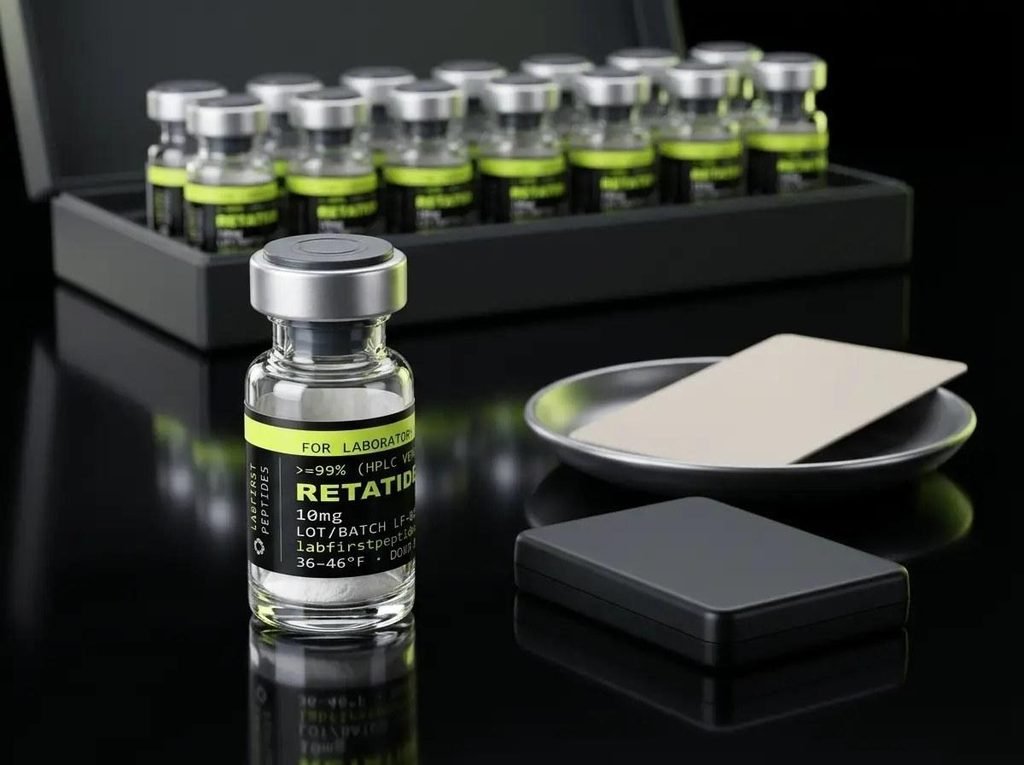
Ordering research peptides from LabFirst Peptides
Why can’t you judge a supplier by its website alone?
Because design is cheap and careful operations are not. Templates, stock photos and confident copy cost almost nothing. Batch testing, cold storage, a real return address and staff who answer email all cost money every month.
So the useful question isn’t “does this look professional?” It is “what would this business have to spend to show me this?” Signals that cost money to fake are worth more than signals that cost nothing.
What are the 10 signals of a careful supplier?
1. Certificates are tied to lots. Each product links to a certificate with a lot number that matches the label. One generic certificate for everything is a weak sign. A public certificate of analysis library is a strong one.
2. Identity and purity are both reported. A careful seller shows what the material is and how clean it is, as two results. A careless one shows only a percentage.
3. Research-use terms are clear and consistent. The site says plainly that products are for laboratory research only, and the rest of the copy agrees. If one page says “research only” and another hints at personal use, the business is not serious about the rule.
4. No health promises anywhere. Careful suppliers do not describe what a compound will do for a person or a pet. Product pages stick to specifications, storage and documentation.
5. A real address and a working phone number. Call it. See who answers. A business that can be reached is a business that expects to be around next year.
6. Shipping practices are spelled out. How products are packed, what happens in hot weather, how long transit takes. Vague shipping pages often mean nobody has thought about it.
7. Prices make sense. Not the cheapest, not the most expensive. Prices far below everyone else usually mean a cost was skipped somewhere, and testing is the easiest one to skip.
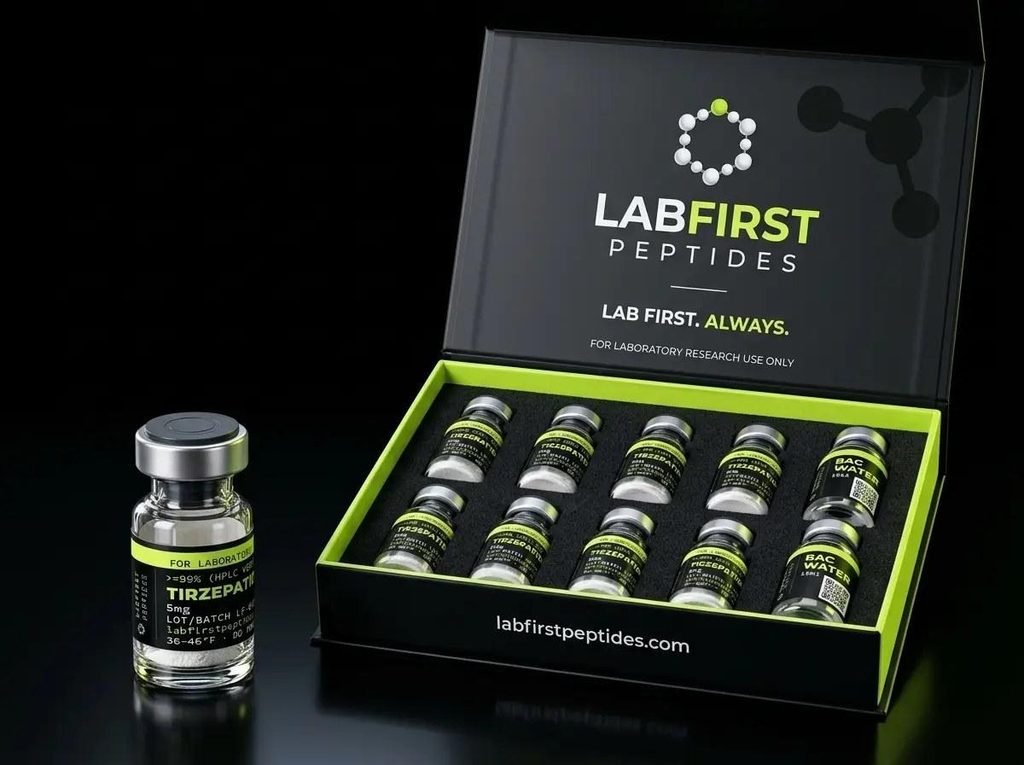
Research vials packed for same-day dispatch, LabFirst Peptides
8. Support answers specific questions. Email and ask something precise, such as “what lot is currently shipping for this product, and can I see its certificate?” A careful supplier replies with a lot number. A careless one replies with a discount code.
9. Payment options give you some recourse. Methods that let you dispute a charge are a reasonable expectation. A seller that only takes payment channels with no protection is shifting all the risk to you.
10. They are honest about stock. “Backordered” or “ships about” with a real date is a good sign. Everything permanently in stock, with a countdown timer that resets every visit, is not.
Which signals matter most, for example on a Retatrutide listing?
Start with the first three. Open one product page, find its certificate, and check that the lot number on the certificate matches the lot shown for sale. Then look for an identity result next to the purity figure. Finally, skim the terms of sale and a couple of product descriptions for research-use language that stays consistent.
Those three checks cost a careless seller real money to fake well, and they cost you almost nothing to run. If a supplier clears them, the other seven are worth your time. If it doesn’t, you have your answer and can move on to the next tab.
How to vet a supplier before your first order: step by step
- Pick one product you need and open its page on three different supplier sites.
- On each, find the certificate for the current lot and check the lot number, test date, identity result and purity result.
- Read each site’s terms of sale and look for clear research-use language.
- Search the product pages for any health or personal-use claims and rule out any supplier that makes them.
- Call or email each supplier with one specific question about the current lot.
- Compare full cost including shipping and any fees, rather than the listed price alone.
- Place a small first order with the strongest candidate and check what arrives against the certificate.
- Keep the certificate, invoice and packing slip together for your records.
If you are switching away from a supplier you have used before, the guide to peptide vendor alternatives covers what to compare when you move.
What are the red flags?
- Countdown timers that reset when you reload the page
- Reviews describing personal results or how someone felt
- Certificates that look identical across unrelated products
- No physical address, or an address that turns out to be a mailbox store
- Pushy upsells toward large quantities before you have bought anything
- Support that dodges direct questions about testing
- Prices that are a fraction of every other seller’s
Bottom line
A careful supplier leaves a trail you can follow: lot numbers, matching certificates, plain research-use terms and people who answer the phone. A careless one leaves a nice website and not much else. Run the ten signals before you buy and you will avoid most bad orders. To see how these signals look on an actual product page, open the retatrutide peptide listing and check it against the list above. Do the same with any supplier you are considering.
Common questions
How many signals should a supplier pass?
All ten is the goal. Missing the certificate or research-use signals should end the search on its own.
Are customer reviews useful?
Reviews about shipping speed and packaging are. Reviews about personal effects are a warning sign.
Is a domestic supplier always better?
Not always, but shorter transit and easier contact help a lot with temperature-sensitive materials.
Research compounds discussed here are sold for laboratory research use only and are not intended for human or animal use. This guide is not medical advice.