


What Makes Dental Implants a Long-Term Option for Missing Teeth?
Losing a tooth changes more than the way your smile looks. It changes how you eat, how you speak, and even how you feel walking into a room full of people. For decades, the standard answers were dentures that slipped or bridges that relied on healthy neighboring teeth. Then came dental implants, and the conversation shifted. Instead of simply covering the gap, an implant replaces the part of the tooth you cannot see, the root, and builds a new tooth on top of it. That approach is why so many dentists now describe implants as a true long-term dental solution for missing teeth replacement. This article explains, in plain language, what makes them last, who they suit, what they cost over time, and how to look after them.

Understanding How Dental Implants Actually Work
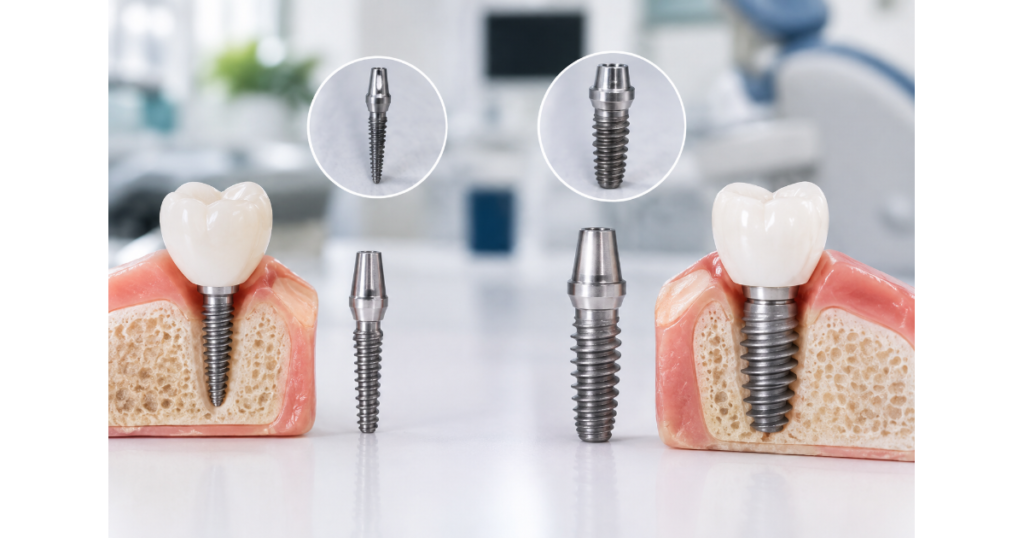
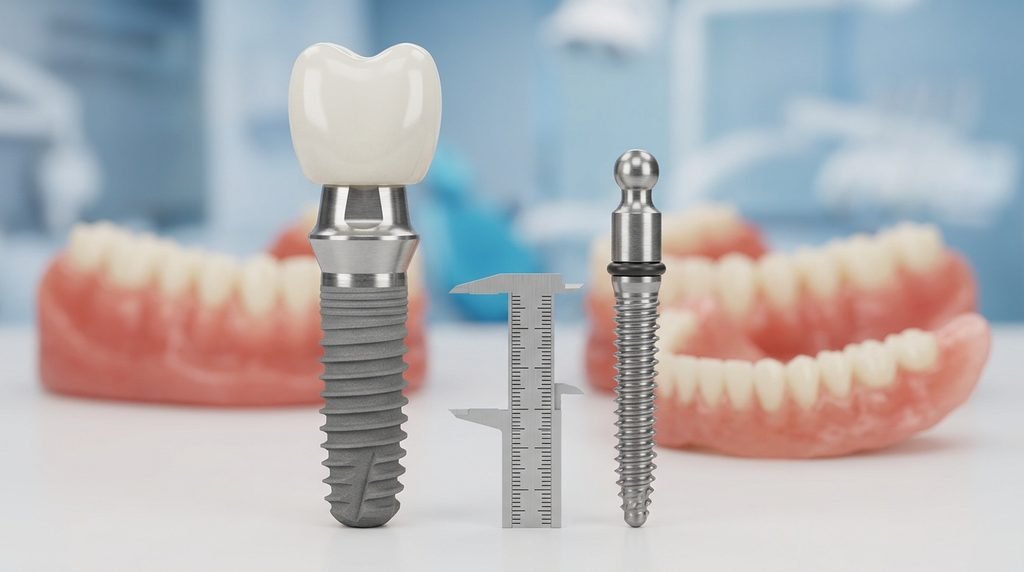
A dental implant is a small post, usually shaped like a screw, that is placed into the jawbone where a tooth used to be. Once it heals, it acts as an anchor for a replacement tooth. It is easiest to think of it as tooth root replacement: the implant does the job the natural root once did, holding everything firmly in place.
The full restoration has three parts. The implant sits in the bone, a connector called an abutment sits on top of it, and the visible tooth, known as the crown, attaches to the abutment. Because each part is designed to work together, the finished result behaves like a natural tooth rather than a removable accessory. Patients who want a clear, reliable overview can find one on the American Dental Association’s MouthHealthy resource, which explains the basics of implants in everyday terms.
Osseointegration: The Secret Behind the Strength
If there is one word that explains why implants last, it is osseointegration. The term describes the process in which living bone grows around and bonds with the implant surface. Over several weeks to a few months, the post stops being a foreign object and becomes a stable part of the jaw.
This bond is what separates implants from nearly every other option. A denture rests on the gums. A bridge leans on other teeth. An implant, by contrast, is fused into the bone itself. That connection gives it the strength to handle daily chewing forces without shifting, and it is the foundation for the stable tooth replacement patients value so highly. When osseointegration succeeds, and it does in the vast majority of cases, the implant can serve for decades.
Why Titanium Remains the Trusted Material
Most implants are made from titanium, and there are good reasons for that. Titanium dental implants are strong, lightweight, and highly biocompatible, which means the body accepts them without rejecting or attacking them. Titanium also encourages bone to attach to its surface, making it ideal for osseointegration.
This material has been used in medicine for many years, including in hip and knee replacements, so its track record is long and well documented. It also resists corrosion in the moist environment of the mouth. Some patients now choose zirconia implants, particularly if they have metal sensitivities or want a fully tooth-colored option, but titanium continues to be the most widely studied and commonly used choice. For anyone seeking durable dental implants, that history of proven performance carries real weight.
Natural-Looking Teeth That Blend In
Function matters, but appearance matters just as much to most people. Modern implants are designed to deliver natural-looking teeth that are difficult to tell apart from the real thing. The crown is crafted to match the shape, size, and shade of the surrounding teeth, and it emerges from the gum line just as a natural tooth would.
This is where customized dental implants and carefully planned restorations make a difference. Dentists use scans and impressions to design a tooth that fits your bite and complements your smile. The result is aesthetic tooth restoration that looks right from every angle, in casual conversation and in photographs. Because the implant supports the gum tissue in a natural way, there are no visible clasps, plates, or metal edges to give it away.
Protecting Your Jawbone for the Long Run
Here is something many people do not realize: when a tooth is lost, the bone that once held it begins to shrink. The jaw needs stimulation from chewing to stay healthy, and without a root, that stimulation disappears. Over time, this bone loss can lead to a sunken appearance and make future dental work harder.
Implants address this directly. Because they transmit chewing forces into the bone just like natural roots, they support jawbone preservation and help prevent bone loss around the missing tooth. This also helps maintain facial structure, keeping cheeks and lips supported so the face does not collapse inward as the years pass. Dentures and bridges cannot offer this benefit, since neither stimulates the bone beneath. For many patients, this hidden advantage is the strongest argument in favor of implants.
Better Chewing and Clearer Speech
Anyone who has worn loose dentures knows the frustration of avoiding certain foods. Crunchy apples, steak, and fresh salads can become a challenge. Implants change that. Because they are anchored firmly, they can significantly improve chewing ability, letting you eat a wider, healthier range of foods with confidence.
The same stability helps with speech. Slipping plates can cause lisping or clicking sounds, while implants stay put. This is what makes them a functional tooth replacement: they do not merely fill a space, they restore how the mouth is meant to work. Many patients also report a natural tooth feel that makes them forget which tooth is the replacement, and that comfort is central to a comfortable tooth replacement experience.

Restoring Confidence With a Complete Smile
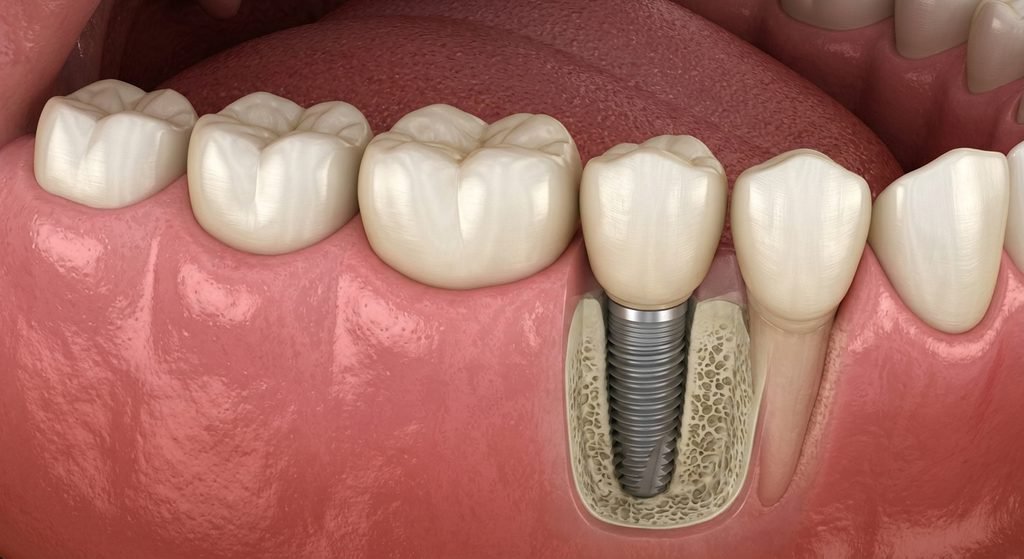
The emotional side of tooth loss is often underestimated. People with gaps or unstable dentures may smile less, cover their mouths when laughing, or avoid social events altogether. Implants can turn that around.
When patients regain a full, steady smile, they often speak of feeling like themselves again. It is a simple way to restore smile confidence, and that boost carries into work, relationships, and everyday interactions. The reassurance that nothing will slip or click at the wrong moment is quietly powerful. Alongside the physical benefits, this emotional lift is a major reason people describe implants as life-improving rather than merely cosmetic.
Options for Every Situation: Crowns, Bridges, and Full Arches
One reason implants are so flexible is that they can replace anything from a single tooth to an entire arch. A single implant crown replaces one missing tooth without touching the neighboring teeth. If several teeth in a row are missing, an implant bridge can span the gap using just two or three implants instead of one for every tooth.
For patients who have lost most or all of their teeth, full mouth dental implants offer a way to rebuild the entire smile on a handful of strategically placed posts. These implant-supported teeth provide the stability of natural teeth without the drawbacks of traditional dentures. Together, these dental prosthetics cover almost every scenario, which is why a dentist can usually tailor a plan to your specific needs and budget.
How Long Do Dental Implants Really Last?
Dental implant longevity is one of the most common questions patients ask. The implant post itself, when placed well and cared for properly, can last for decades and often for life. Studies consistently show high success rates over ten years and beyond. The crown on top may need replacing after around fifteen years or so, depending on wear, but the underlying implant usually remains in place.
This is the heart of what makes them a permanent tooth replacement in practice, even though the crown itself is a replaceable component. When you consider that bridges commonly need replacement after ten to fifteen years and dentures need regular relining and remaking, the long-term picture becomes clear. Reading current guidance from a trusted professional body, such as the American Academy of Implant Dentistry, can help you understand realistic expectations for your own case.
Advantages and Disadvantages at a Glance
No treatment is perfect, and an honest look at both sides leads to better decisions. This table summarizes the main strengths and limitations of implants.
| Aspect | Advantages | Disadvantages |
|---|---|---|
| Durability | Excellent longevity with proper care, making them a reliable tooth replacement | Crowns may eventually need replacement |
| Bone health | Helps preserve the jaw and support facial shape | Requires enough healthy bone, or a graft may be needed |
| Function | Strong chewing power and natural feel | Healing can take several months |
| Appearance | Highly natural and customized look | Results depend on skill and planning |
| Oral health | Does not damage neighboring teeth | Gum disease around implants can occur without good hygiene |
| Cost | Cost-effective over many years | Higher upfront cost than dentures or bridges |
Comparing Implants With Dentures and Bridges
To see why implants are considered the gold standard, it helps to compare them directly with the other main options. The figures below are general guides, since individual results and costs vary.
| Feature | Dental Implants | Traditional Bridge | Removable Dentures |
|---|---|---|---|
| Anchored to | Jawbone | Neighboring teeth | Gums |
| Bone preservation | Yes | No | No |
| Typical lifespan | Decades, often lifelong for the post | About 10–15 years | About 5–10 years |
| Effect on nearby teeth | None | Requires reshaping healthy teeth | None, but may cause pressure |
| Comfort and stability | High | Good | Variable |
| Upfront cost | Higher | Moderate | Lower |
The pattern speaks for itself. Dentures and bridges cost less at the start, but they need more frequent replacement and do nothing to protect the bone. Implants ask for more investment upfront yet tend to offer better value across a lifetime.
Understanding Cost and Finding Affordable Options
Cost is a genuine concern, and it deserves an honest discussion. Implants do carry a higher initial price than other replacements. However, the picture changes when you look at the total cost over twenty or thirty years. Because they rarely need replacement, they can turn out to be a sensible financial choice.
If budget is a worry, there are ways to find affordable dental implants without cutting corners on quality. Many clinics offer payment plans, and dental schools sometimes provide treatment at reduced fees under supervision. Comparing consultation quotes and asking what is included, such as scans, the crown, and follow-up visits, helps you avoid surprises. The goal is to find a fair price from a qualified professional, not simply the cheapest one.

Caring for Your Implants: Simple Habits That Pay Off
Good dental implant care is what turns a promising start into a lifelong result. The routine is refreshingly familiar: brush twice a day, clean between the teeth daily, and attend regular checkups. Implants cannot decay, but the gums around them can still become inflamed, so hygiene remains important.
The do’s and don’ts below offer a quick reference.
| Do | Don’t |
|---|---|
| Brush gently twice daily with a soft brush | Skip cleaning around the implant |
| Use interdental brushes or a water flosser | Chew ice, hard candy, or pens |
| Visit your dentist for regular checkups | Ignore bleeding or swelling around the gums |
| Wear a night guard if you grind your teeth | Smoke, which slows healing and raises failure risk |
| Follow post-surgery instructions carefully | Delay reporting pain or looseness |
Following these habits supports long-term oral health and protects the investment you have made.
Who Is a Good Candidate?
Most healthy adults with missing teeth can be considered for implants, but a proper assessment comes first. The dentist will check the density of your jawbone, the health of your gums, and your general medical history. Conditions such as uncontrolled diabetes, heavy smoking, or untreated gum disease can raise the risk of complications, though many of these can be managed or improved beforehand.
If bone volume is low, procedures like bone grafting can build up the area to make implants possible. This careful planning is part of what makes the treatment a secure dental restoration. A dentist who takes time to evaluate your situation thoroughly is far more likely to deliver a result that lasts.
Final Thoughts
So, what makes dental implants a long-term option for missing teeth? It comes down to a rare combination of strength, biology, and design. They bond with the jawbone through osseointegration, they use proven materials like titanium, and they look and feel remarkably like natural teeth. They protect the bone, support the face, and restore both function and confidence in a way other options simply cannot match.
They do ask for a bigger commitment at the beginning, both in cost and in healing time. But for most people, the return is decades of comfortable eating, clear speech, and a smile they no longer think twice about. If you are considering treatment, the best next step is a consultation with a qualified dentist who can assess your needs and explain your options honestly. A good implant, cared for well, is less a treatment and more a lasting part of you.