


Can Bleeding Gums Be Linked to Poor Dental Hygiene?
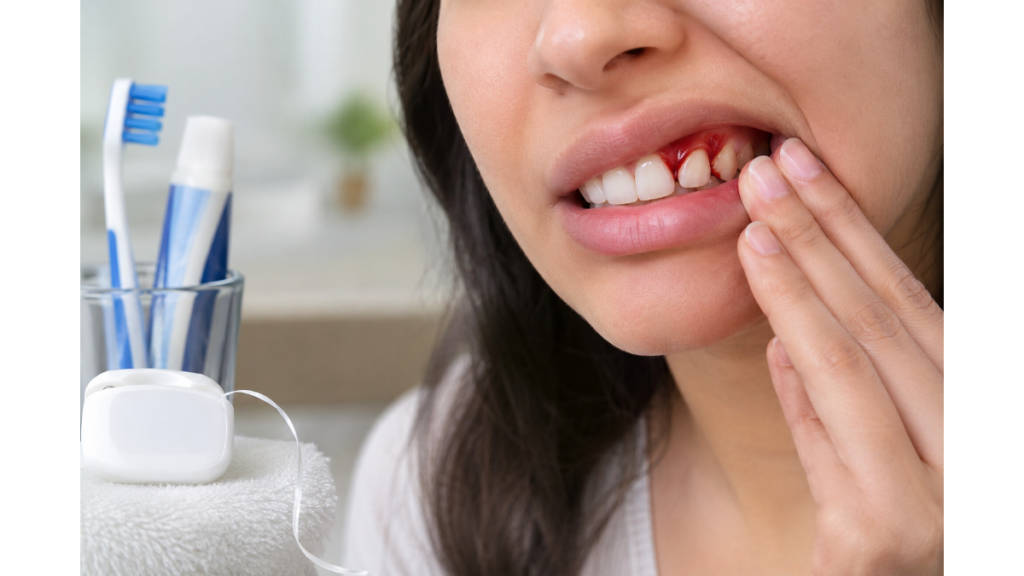
You spit into the sink after brushing and notice a pink or red tinge in the foam. Most of us have had that moment, and most of us shrug it off. Maybe we brushed too hard, or maybe it was just one of those days. But the honest answer to the question in the title is yes: bleeding gums are very often linked to poor dental hygiene, and ignoring them can allow a small, fixable problem to grow into a serious one. Healthy gums are firm, pink, and quiet. They do not bleed during normal brushing and flossing. When they do, your body is sending an early message that something in your mouth needs attention. The good news is that when you catch it early, the problem is usually reversible with changes you can start today.

Why Do My Gums Bleed? The Short Answer
If you have ever typed “why do my gums bleed” into a search bar, you have probably found a long list of possible reasons, which can feel overwhelming. In most cases, though, the explanation is simpler than you might expect. The most common reason is inflammation caused by bacteria that collect along the gumline. When these bacteria are not cleaned away regularly, your gums become irritated, swollen, and fragile. Fragile gum tissue bleeds easily, even under light pressure from a toothbrush or a piece of floss.
That said, poor hygiene is not the only possible explanation. Hormonal changes, certain medications, vitamin deficiencies, and some health conditions can also play a part. We will look at all of these, but it helps to start with the main culprit, because it is the one you have the most power to change.
Can Poor Dental Hygiene Cause Bleeding Gums?
Let us answer the big question directly. Can poor dental hygiene cause bleeding gums? Absolutely, and it is the leading cause. When you skip brushing, rush through it, or never floss, a sticky film of bacteria called plaque builds up on your teeth and along the gumline. Your gums react to that bacterial film the same way your skin reacts to a splinter. They become red, puffy, and sensitive as your immune system tries to fight off the invaders.
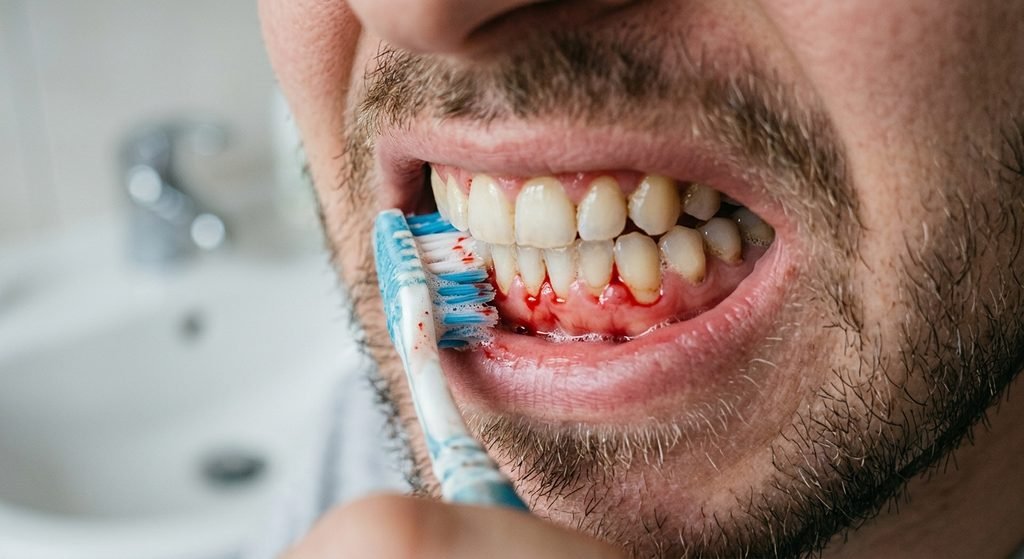
This early stage of gum inflammation is called gingivitis, and bleeding is often the very first thing people notice. The gums are not bleeding because brushing harmed them. They are bleeding because they are already inflamed and the blood vessels in the tissue have become more fragile and more numerous. A gentle touch is enough to make them bleed.
How Plaque Buildup Leads to Bleeding Gums
The link between plaque buildup and bleeding gums is worth understanding in a bit more detail, because it explains why daily habits matter so much. Plaque forms constantly. Within hours of cleaning your teeth, a new film starts to develop. If you remove it every day, it causes no trouble. If you leave it alone for 24 to 72 hours, it begins to harden into tartar, also called calculus, which is a rough, cement-like deposit that you cannot brush away at home.
Tartar gives bacteria even more places to cling, and it sits right at the edge of your gums, where it keeps irritating the tissue. The bacteria release toxins, and your gums respond with swelling and bleeding. Over time, the gums may start to pull away from the teeth and form small pockets where even more bacteria can hide. This is why a professional cleaning is so valuable. Only a dentist or hygienist can remove hardened tartar safely.
Bleeding Gums When Brushing: Normal or Not?
Many people assume that bleeding gums when brushing is just a normal part of life, especially if it happens once in a while. It is not normal, even if it is common. Healthy gums should not bleed from regular brushing. If you see blood on your toothbrush, in the sink, or in your saliva more than once or twice, your gums are asking for help.
There is one important exception. If you have recently changed your routine, such as starting to floss after a long break, you may notice some light bleeding for the first week or so. This usually settles down as your gums become healthier. If the bleeding continues beyond two weeks of consistent, gentle cleaning, it is time to look for another cause or book a dental visit.
It is also worth checking your technique. Brushing too hard with a stiff-bristled brush can wear down the gums and make them bleed. A soft brush, gentle circular motions, and about two minutes of brushing twice a day are far more effective than scrubbing.
Gingivitis Symptoms You Should Not Ignore
Knowing the gingivitis symptoms helps you spot trouble before it becomes serious. The condition is often painless, which is exactly why so many people miss it. Here are the signs to watch for:
- Gums that bleed easily during brushing or flossing
- Gums that look red, dark red, or purplish instead of pale pink
- Puffy or tender gums that feel sore when touched
- A persistent bad taste in the mouth
- Breath that stays unpleasant even after brushing
- Gums that look shinier or smoother than usual
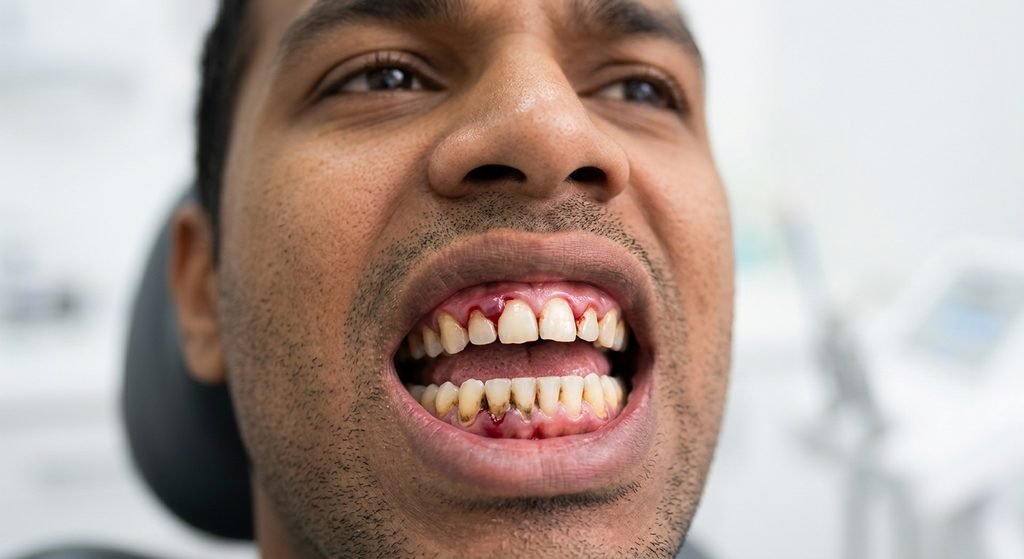
If you notice more than one of these, gingivitis is a strong possibility. The reassuring part is that gingivitis is the mildest form of gum disease, and it is fully reversible when treated early. Your dentist can confirm the diagnosis in a quick checkup.
Early Signs of Gum Disease and When It Gets Worse
Gingivitis does not always stay gingivitis. If it is left untreated, it can progress to periodontitis, a more serious infection that damages the bone and tissue supporting your teeth. Spotting the early signs of gum disease gives you a real chance to stop that progression. The table below shows how the two stages differ.
| Feature | Gingivitis (Early Stage) | Periodontitis (Advanced Stage) |
|---|---|---|
| Bleeding | Occurs when brushing or flossing | May occur on its own or with slight pressure |
| Gum appearance | Red, puffy, and tender | Receding, with visible pockets around teeth |
| Breath | Mildly unpleasant | Persistently foul, sometimes with a bad taste |
| Tooth stability | Teeth feel firm | Teeth may feel loose or shift position |
| Reversibility | Fully reversible with good care | Can be managed but damage is not fully reversible |
| Treatment | Better hygiene and a professional cleaning | Deep cleaning, medication, or sometimes surgery |
Looking at it this way makes the stakes clear. Gingivitis is a warning light, and periodontitis is the engine trouble that follows when the warning is ignored. The sooner you act, the simpler and cheaper the fix.
Gum Disease Signs That Need Prompt Attention
Beyond the early warning signs, there are gum disease signs that suggest the problem has moved deeper. These include gums that are pulling back and making your teeth look longer, pus around the teeth or gums, pain when chewing, teeth that feel loose, and changes in how your teeth fit together when you bite. If you notice any of these, please do not wait. Advanced gum disease does not heal by itself, and it is a leading reason adults lose teeth.
Gum health also connects to the rest of your body. Researchers have studied links between severe gum disease and conditions such as heart disease and diabetes. The relationship is complex and still being studied, but it is one more reason to take your gums seriously.
Swollen Gums: Reasons Beyond Plaque
Poor hygiene tops the list, but there are other swollen gums reasons worth knowing about. Hormonal changes during pregnancy, puberty, or menopause can make gums more sensitive and more likely to bleed. Certain medications, including some blood thinners, blood pressure drugs, and anti-seizure medicines, can affect the gums or make bleeding more likely. Smoking and vaping reduce blood flow to the gums and mask early symptoms, which means problems can quietly grow. Vitamin C and vitamin K deficiencies can also contribute, as can ill-fitting dental appliances and a mouth that is chronically dry.
Even stress plays a role. When you are under pressure, your immune system works less efficiently, and your oral care routine may slip. The result is often gums that look and feel worse than usual. If you cannot connect your swollen or bleeding gums to a hygiene problem, it is worth mentioning the other possibilities to your dentist or doctor.
Poor Oral Hygiene Effects Beyond Bleeding
Bleeding is only one of the poor oral hygiene effects you may experience. Neglected teeth and gums can lead to cavities, constant bad breath, receding gums, tooth sensitivity, and eventually tooth loss. The infection in your gums can also spread bacteria into your bloodstream, which is one reason dentists encourage people to treat gum problems early rather than late.
There is an emotional side as well. People with persistent bad breath or visibly unhealthy gums often feel self-conscious about smiling or speaking closely with others. That quiet loss of confidence is easy to overlook, but it matters. Looking after your mouth is not only about avoiding pain and cost. It also helps you feel at ease in everyday life.
Bleeding Gums and Bad Breath: The Hidden Connection
If you have noticed bleeding gums and bad breath together, you are not imagining a connection. The same bacteria that irritate your gums also produce smelly sulfur compounds as they break down food particles and dead cells. As gum inflammation increases, more bacteria thrive, and the odor becomes harder to hide with mints or mouthwash.
This is why bad breath that does not improve with brushing is often a sign of gum trouble rather than a simple food-related problem. Cleaning your tongue, flossing daily, and keeping up with dental visits can make a noticeable difference. If your breath stays bad despite good habits, ask your dentist to check for gum disease or tartar below the gumline.
How to Stop Bleeding Gums: Daily Habits That Work
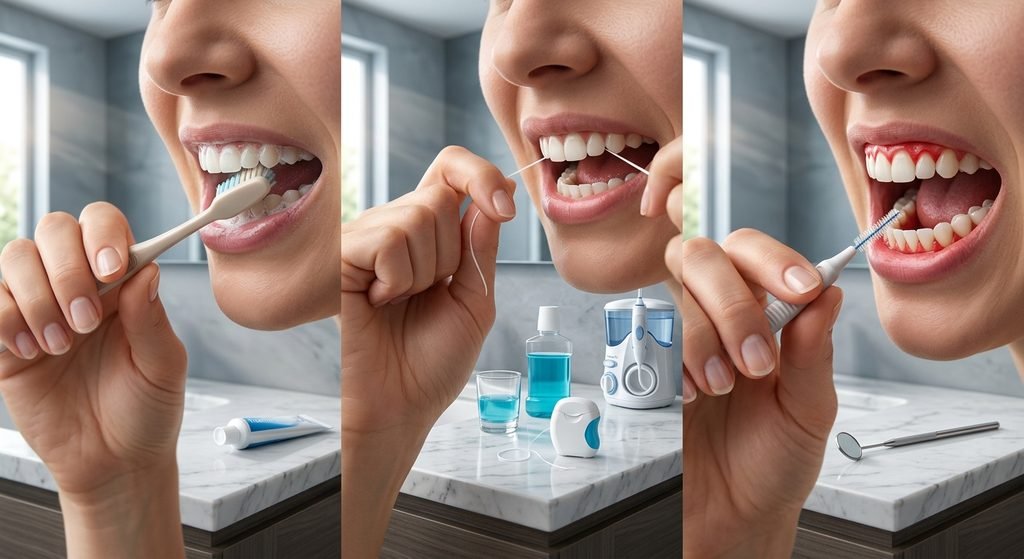
When people ask how to stop bleeding gums, the best answer is rarely a single product. It is a consistent routine. Brush twice a day for two minutes with a soft-bristled brush, angling the bristles gently toward the gumline. Floss once a day, sliding the floss in a C-shape around each tooth rather than snapping it down. Replace your toothbrush every three months, or sooner if the bristles look frayed. Drink plenty of water, limit sugary snacks, and avoid tobacco.
An electric toothbrush with a pressure sensor can help if you tend to brush too hard. Interdental brushes or water flossers are good options if traditional floss feels awkward. Consistency matters more than perfection. A simple routine that you follow every single day will do more for your gums than an elaborate one you abandon after a week. The table below sums up the most important habits.
| Do’s | Don’ts |
|---|---|
| Brush twice daily with a soft-bristled brush | Brush aggressively or use a hard-bristled brush |
| Floss or use interdental brushes every day | Skip flossing because your gums bleed |
| Visit your dentist every six months | Wait until you feel pain before booking a checkup |
| Eat crunchy fruits, vegetables, and plenty of water | Rely on sugary snacks and fizzy drinks |
| Clean your tongue to reduce odor-causing bacteria | Use mouthwash as a substitute for brushing |
| Stay consistent even when gums bleed at first | Smoke or use tobacco products |
Home Remedies for Bleeding Gums
Many people look for home remedies for bleeding gums before calling the dentist, and a few simple options can offer real comfort. A warm salt water rinse, made with half a teaspoon of salt in a glass of warm water, can soothe irritated tissue and help keep the mouth clean. Rinsing for about thirty seconds, two or three times a day, is plenty. A cold compress held against the outside of the cheek may ease tenderness and swelling. Eating foods rich in vitamin C, such as oranges, guavas, and bell peppers, supports healthy gum tissue. Drinking green tea, which contains antioxidants, may also be a gentle addition to your routine.
These remedies can support healing, but they work best alongside good brushing and flossing. They cannot dissolve tartar, and they are not a replacement for professional care. Think of them as helpers rather than cures, and be cautious with internet advice that suggests harsh substances such as undiluted hydrogen peroxide or baking soda scrubbing, which can irritate the gums further.
Best Toothpaste for Bleeding Gums
Choosing the best toothpaste for bleeding gums can feel confusing with so many options on the shelf. Look for a fluoride toothpaste that is gentle and not overly abrasive. Some formulas contain stannous fluoride, which has been shown to help reduce plaque and gum inflammation. Others include ingredients such as zinc or cetylpyridinium chloride that target bacteria. Toothpastes labeled for gum health or sensitivity are often a sensible starting point.
It is also a good idea to look for a seal of approval from a recognized dental association, since this indicates the product has been reviewed for safety and effectiveness. Avoid whitening pastes with strong abrasives while your gums are sore. Whichever you pick, remember that technique matters more than the brand. The best toothpaste in the world will not help if it is used with a rushed or careless brushing routine. If you are unsure, ask your dentist which one suits your situation.
How to Cure Gingivitis Step by Step
If you are wondering how to cure gingivitis, the encouraging truth is that it is one of the few conditions that can be fully reversed with the right steps. The process usually begins with a professional cleaning to remove tartar that you cannot remove yourself. After that, your daily routine does the heavy lifting. Brushing properly, flossing every day, and using an antibacterial rinse if your dentist recommends one will allow your gums to heal.
Most people see clear improvement within one to two weeks. The redness fades, the swelling goes down, and the bleeding stops. Your dentist may suggest follow-up visits to make sure the gums stay healthy. As the NHS explains in its guide to gum disease, good oral hygiene and regular dental checkups are the foundation of treating and preventing gingivitis. Staying consistent after the symptoms disappear is what keeps the problem from returning.
When to See a Dentist for Bleeding Gums
Knowing when to see a dentist for bleeding gums can save you from unnecessary damage. Book an appointment if your gums have bled for more than two weeks despite improved cleaning, if the gums are very swollen, painful, or receding, if you have persistent bad breath, or if any teeth feel loose. You should also get checked if you notice pus, if bleeding happens without any brushing or flossing, or if you have a medical condition such as diabetes.
Seek medical advice quickly if bleeding is heavy, hard to stop, or comes with other symptoms such as unusual bruising, fatigue, or frequent nosebleeds, since these may point to an issue outside the mouth. Dentists are used to seeing gum problems and will not judge you. Their goal is simply to help you get back to healthy gums. The Mayo Clinic offers a helpful overview of gingivitis symptoms and causes if you would like to read more.
Final Thoughts on Bleeding Gums and Hygiene
So, can bleeding gums be linked to poor dental hygiene? Yes, very often. Plaque that is left on the teeth causes inflammation, inflammation makes gums fragile, and fragile gums bleed. Understanding the bleeding gums causes puts you in control, because the biggest one is something you can change with a few small, steady habits.
Do not wait for pain to appear, since gum disease is usually painless in its early stages. Pay attention to the small signals, such as a bit of pink in the sink or breath that will not freshen. Brush gently, floss daily, rinse with care, and see your dentist regularly. Your gums have a remarkable ability to heal when you give them the chance, and a healthy mouth is one of the simplest ways to look after your overall wellbeing.