


How to Pick a Weight Loss Diet That Delivers Real Results
Choosing a weight loss diet can feel overwhelming—especially in a world where trendy solutions, conflicting advice, and celebrity endorsements flood your screen. But the truth is, not every diet is created equal. And more importantly, not every diet works for everyone.
In the UK alone, millions try different diets each year, yet many struggle to see sustainable results. The key lies in choosing a diet plan that aligns with your personal health goals, lifestyle, and most importantly, your body’s needs. A truly effective weight loss diet is one that promotes steady fat loss, preserves muscle mass, supports long-term health, and is flexible enough to stick with.
This guide breaks down everything you need to know about selecting a plan that actually works—for you.
The Science-Backed Way to Choose a Diet You Can Stick To

Forget crash diets or dramatic restrictions. The best weight loss diets are rooted in science and supported by long-term research. According to the NHS Weight Loss Plan and numerous clinical studies, successful weight loss hinges on creating a calorie deficit—burning more calories than you consume—while nourishing your body with whole foods.
A few evidence-based principles you should look for:
- Sustainability: Can you follow it for months, even years?
- Nutritional balance: Does it provide enough protein, fibre, healthy fats, and micronutrients?
- Behavioural support: Does it promote mindful eating or habit changes?
- Evidence: Is the diet supported by peer-reviewed research?
Whether it’s intermittent fasting, the Mediterranean diet, or calorie tracking, the method must be manageable and effective in the long run.
Weight Loss Diets: How to Find One That Works for Your Body
Every body is different. Your genetics, age, gender, hormone profile, and even your gut microbiome play a role in how you respond to different diets. This is why your best mate may drop pounds on keto, while you feel drained and sluggish.
Here’s how to approach it:
- Know your starting point: Are you obese, slightly overweight, or trying to shed a few stubborn pounds?
- Identify your sensitivities: Do certain foods cause bloating, fatigue, or cravings?
- Assess your energy needs: Active people require more calories and nutrients.
- Get blood work done: A vitamin D or iron deficiency can hinder your metabolism.
Consulting a registered dietitian or GP in the UK can give you insight into what your body truly needs.
Avoiding Diet Scams: How to Spot a Truly Effective Weight Loss Plan

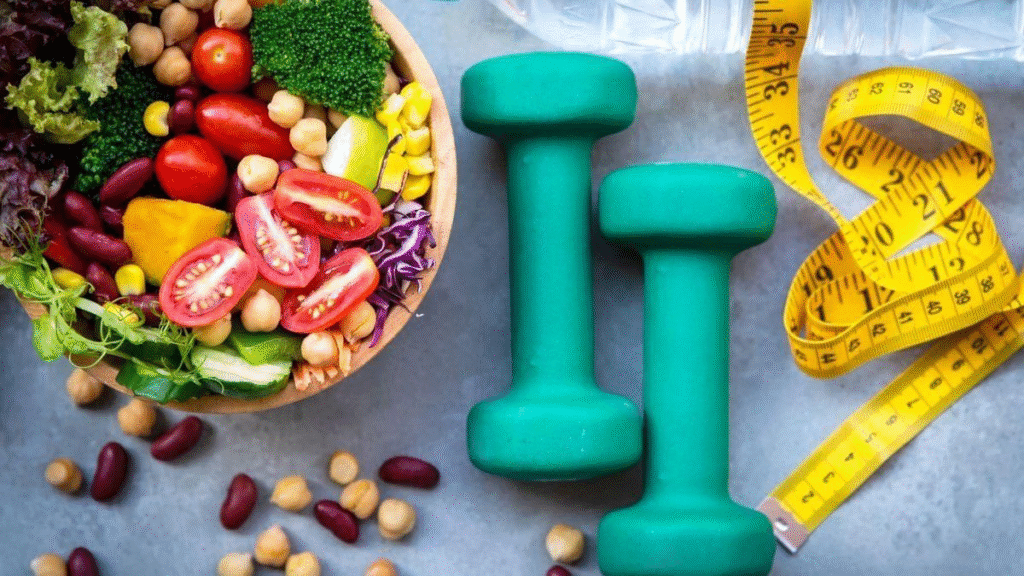
In the UK, fad diets are everywhere—from meal-replacement shakes to “fat-burning” teas. But most of these products are scams, offering quick fixes rather than lasting solutions. Here’s how to tell the difference:
🚩 Red Flags of a Scam Diet:
- Promises of extreme weight loss (e.g. “Lose 10kg in 2 weeks!”)
- Requires buying expensive supplements or meal kits
- Demonises entire food groups (like all carbs or fats)
- No scientific backing or clinical studies
- Promoted mainly by influencers, not medical professionals
✅ Hallmarks of a Legitimate Plan:
- Focuses on balanced eating
- Encourages lifestyle changes
- Backed by nutritional science
- Adaptable to your needs
- Offers long-term support and education
Personalized Weight Loss: How to Match a Diet to Your Lifestyle
Your daily routine matters. A plan that requires strict meal prep won’t work if you’re always on-the-go. Likewise, skipping meals might not suit a busy parent or someone with diabetes. Consider the following:
| Lifestyle Factor | Diet Type That Might Work Well |
| Busy work schedule | Intermittent fasting, meal delivery plans |
| Vegetarian or vegan | Whole-food plant-based, Mediterranean |
| Social lifestyle | Flexible dieting (IIFYM) or 80/20 approach |
| Exercise-focused | High-protein, carb cycling |
| Emotional eater | Intuitive eating, mindful eating techniques |
Key Factors to Consider Before Starting Any Weight Loss Diet


Before you begin, reflect on these key areas:
- Your “Why”: Are you dieting for health, appearance, energy, or confidence?
- Your Medical History: Do you have diabetes, PCOS, thyroid issues?
- Time Commitment: Can you realistically prepare meals or track macros?
- Budget: Is the plan affordable long term?
- Support System: Do friends or family encourage your journey?
Bonus Tip: Use a food diary for a week to track your eating patterns before choosing a plan.
Low-Carb vs. Keto vs. Mediterranean: Which Diet Is Right for You?
Let’s compare some of the most popular diets in the UK:
| Diet Type | Best For | Pros | Cons |
| Low-Carb | People with insulin resistance | Quick weight loss, reduces cravings | May lack fibre and micronutrients |
| Keto | Epilepsy patients, short-term fat loss | High satiety, stable blood sugar | Hard to sustain, potential nutrient deficiencies |
| Mediterranean | Heart health, long-term weight loss | Balanced, rich in antioxidants | May require more cooking time |
Pro Tip: Try a 2-week trial of each diet and track how you feel—energy, mood, digestion, weight.
Why Most Diets Fail—And How to Choose One That Lasts
A shocking 80-95% of people regain the weight they lose on a diet. Why?
- Unrealistic expectations
- Restrictive rules
- Lack of education about nutrition
- No long-term plan
Instead, opt for habit-based diets that focus on small, consistent changes like eating more veggies, drinking more water, or reducing sugary snacks. These create a lifestyle, not just a temporary fix.
The Role of Metabolism in Picking the Best Weight Loss Diet


Your metabolism—how efficiently your body burns calories—is affected by many things:
- Age: It slows down with time
- Muscle mass: More muscle = faster metabolism
- Hormones: Especially thyroid and insulin
- Sleep & stress levels
Choose a diet that includes enough protein and resistance training to preserve muscle. Calorie needs are unique, so avoid comparing your intake to others.
Frequently Asked Questions About Diet and Mental Health
For more insights on how nutrition affects your mood and mental well-being, check out our Frequently Asked Questions About Diet and Mental Health. Learn how food choices impact anxiety, depression, and cognitive function, and get expert-backed answers to common diet-related mental health querie
How to Tell If a Diet Is Sustainable (Not Just a Quick Fix)
Ask yourself:
- Can I do this 6 months from now?
- Does it allow for flexibility (e.g., holidays, social events)?
- Am I learning about my body and nutrition?
- Do I feel better—not worse—on this plan?
If the answer to most of these is “no,” it’s likely a short-term fix, not a sustainable approach.
Matching Your Diet to Your Fitness Goals: A Simple Guide
Your diet should support your physical goals. Here’s a breakdown:
| Goal | Diet Focus |
| Fat loss | Calorie deficit, high protein |
| Muscle building | Calorie surplus, nutrient timing |
| Endurance training | Higher carbs, electrolytes |
| Strength training | Balanced macros, creatine support |
| General health | Anti-inflammatory, nutrient-dense foods |
Always pair your diet with adequate sleep, hydration, and recovery.
Hidden Red Flags in Popular Diets (What to Watch For)
- No medical backing: Always check for NHS or BDA approval.
- Extreme food rules: “No eating after 6 PM” or “Only drink juices.”
- One-size-fits-all approach
- Excessive focus on the scale rather than measurements or how clothes fit
- Encouraging shame or guilt for eating “bad” foods
Meal Planning vs. Intuitive Eating: Which Works Better for You?
Both methods can be effective—but for different types of people.
| Method | Best For | Description |
| Meal Planning | Busy schedules, beginners | Pre-planned meals based on macros or calories |
| Intuitive Eating | Chronic dieters, emotional eaters | Focuses on hunger cues, satisfaction, and food freedom |
You can also combine both: plan balanced meals but allow yourself flexibility and enjoyment.
The Truth About Fad Diets—And What to Try Instead
Fad diets often go viral but rarely work long-term. Here’s why:
- They promise fast results with little effort
- They ignore individuality
- They use pseudoscience
Instead, try:
- Calorie tracking (MyFitnessPal or Nutracheck UK)
- Portion control techniques (like the hand-size method)
- Whole-food diets with minimally processed ingredients
- Weight Watchers or NHS weight loss programmes
How to Adjust Your Diet If You’re Not Losing Weight
If the scale won’t budge, try:
- Reassess your portions – even healthy food has calories.
- Increase activity – add a 15-minute walk after dinner.
- Manage stress – chronic cortisol spikes block fat loss.
- Track for 1–2 weeks using an app.
- Look beyond the scale – check measurements, energy, and sleep.
“Which Weight Loss Diet Is Best for Long-Term Success?”


The Mediterranean diet consistently tops the list, thanks to:
- High fibre and antioxidants
- Flexibility
- Scientific backing
- Heart-healthy fats
Other good options include DASH, WW (formerly Weight Watchers), and flexible calorie-counting approaches.
“Can You Lose Weight Without Giving Up Your Favorite Foods?”
Absolutely! Weight loss is about overall balance, not restriction. Use the 80/20 rule:
- 80% whole, nutrient-dense foods
- 20% treats and indulgences
Craving pizza? Enjoy it once a week without guilt. Just track it and balance it elsewhere.
“How Do You Know If a Diet Will Actually Work for You?”
Here are your indicators:
- You’re not constantly hungry
- You feel more energetic
- You’re losing 0.5–1kg per week
- Your digestion improves
- You’re not obsessed with food
“What’s the Easiest Diet to Follow Without Feeling Deprived?”
The flexible dieting approach (also known as IIFYM—If It Fits Your Macros) lets you eat anything within your daily protein, fat, and carb targets. It allows for:
- Burgers and chocolate in moderation
- High satiety from protein and fibre
- Less guilt and more freedom
“Why Do Some Diets Work for Others But Not for You?”
Because your body is biologically unique.
- Different genetics
- Varying hormone profiles
- Lifestyle and stress levels
- Activity levels
- Gut health
What works for your friend may be terrible for you. Focus on what fits your life, not someone else’s Instagram plan.
Final Thoughts: Your Ideal Diet Is the One You Can Stick To
The best weight loss diet isn’t the trendiest—it’s the one that helps you feel strong, confident, and in control of your health. Whether that means eating Mediterranean-style meals, trying intermittent fasting, or simply cutting back on sugar and portion sizes, the key is consistency over perfection.
Take your time, stay curious, and remember: sustainable change beats short-term wins every time.
FAQS
1. What’s the most effective diet for weight loss?
The best diet depends on your lifestyle, preferences, and health needs. Sustainable options like the Mediterranean diet, low-carb diets, or intermittent fasting often work well because they focus on whole foods and long-term habits rather than extreme restrictions.
2. How do I know if a diet is right for me?
A good diet should fit your daily routine, include foods you enjoy, and provide balanced nutrition. Avoid diets that eliminate entire food groups (unless medically necessary) or promise rapid weight loss, as they’re often unsustainable.
3. Are fad diets like keto or juice cleanses worth trying?
While some fad diets may offer short-term results, many are hard to maintain and lack essential nutrients. Instead, focus on science-backed approaches with proven long-term success, like portion control and mindful eating.
4. How can I stay motivated when progress is slow?
Weight loss is a journey—track non-scale victories (e.g., better energy, improved sleep) and set realistic goals. Pair your diet with enjoyable physical activity and seek support from friends or a nutritionist.
5. Should I consult a doctor before starting a new diet?
Yes! If you have health conditions (like diabetes or heart issues), a healthcare provider can help tailor a safe, effective plan. Blood tests and professional guidance ensure your diet supports overall health, not just weight loss.