


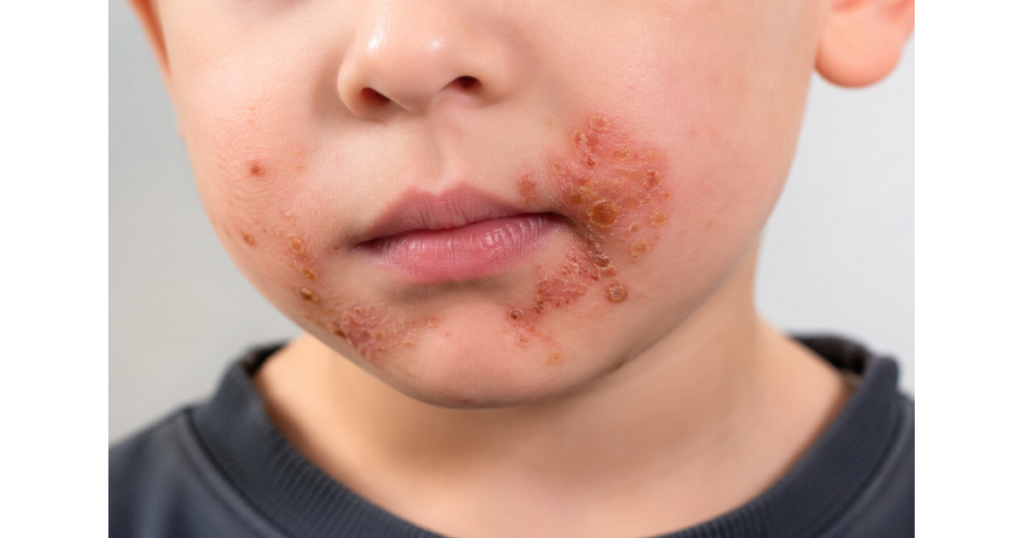
What is Impetigo? If you’ve ever sent your child to school only to receive a call a few days later saying they can’t come back until a mysterious rash is treated, you might have encountered impetigo—one of the most common contagious skin infections affecting children worldwide. Impetigo is a bacterial skin infection caused primarily by two culprits: Staphylococcus aureus and Streptococcus pyogenes (also called Group A Streptococcus). This superficial bacterial infection might seem minor at first glance, with its distinctive honey-colored crusts that give it the nickname “school sores,” but don’t let appearances fool you. Impetigo is incredibly contagious, spreads rapidly through schools and daycare centers, and can affect people of all ages, though it’s most commonly seen in children between two and six years old. The infection presents in two main forms: non-bullous impetigo, which accounts for about eighty percent of cases and features crusty skin sores and pustules, and bullous impetigo, which creates fluid-filled blisters that eventually rupture and leave behind crusted skin lesions. There’s also a deeper, more serious form called ecthyma that penetrates beneath the skin surface and can leave permanent scars. Understanding what impetigo really is, how it spreads, and recognizing its symptoms can mean the difference between catching it early and dealing with widespread infection affecting your entire family. Whether you’re a parent worried about a sudden rash, a teacher concerned about outbreaks at school, or someone dealing with recurrent impetigo, this comprehensive guide will walk you through everything you need to know about prevention, recognition, and treatment. Many people don’t realize that impetigo can lead to serious complications like post-streptococcal glomerulonephritis if left untreated, which underscores the importance of knowing what to look for and when to seek medical attention.


Understanding Impetigo: What You’re Really Dealing With
The Basics: What Exactly is This Bacterial Skin Infection?
Impetigo is fundamentally a bacterial skin infection caused by bacteria that colonize the outer layers of your skin. Think of your skin as having multiple protective layers—the epidermis is the outermost layer, and underneath that is the dermis, which contains blood vessels and nerves. Impetigo stays confined to these superficial layers, which is why it’s classified as a superficial bacterial infection. The two main bacteria responsible are Staphylococcus aureus and Streptococcus pyogenes, though sometimes both bacteria are present in the same infection. What makes impetigo particularly problematic is how easily these bacteria spread from person to person through direct contact with the infected skin or through contact with contaminated objects like towels, clothing, or toys.
When these bacteria invade the skin—usually through a small cut, scratch, insect bite, or area of irritated skin—they begin to multiply rapidly. Your body’s immune system kicks into gear, creating inflammation and pus as white blood cells attempt to fight off the infection. This is why you see the characteristic pustules and fluid-filled blisters that are hallmarks of impetigo. The infection spreads outward from the initial site, creating new skin lesions as it progresses. Unlike other skin infections that might stay localized to one area, impetigo is remarkably aggressive about spreading, both on the individual’s own body and to other people.
How Impetigo Develops: The Path from Healthy Skin to Infection
Understanding how impetigo actually develops helps explain why some people get it repeatedly while others seem immune. The process usually begins with a break in the skin barrier. Maybe your child scraped their knee falling off their bicycle, or perhaps they have an insect bite they’ve been scratching, or maybe their skin is already irritated from eczema or another dermatological condition. These small breaks in the skin’s protective barrier are the perfect entry point for Staphylococcus aureus and Streptococcus pyogenes bacteria, which are normally present on everyone’s skin without causing problems.
Once the bacteria enter through this break in the skin, they find themselves in an ideal environment for reproduction. Warm, moist skin provides perfect conditions for bacterial growth. This is one reason why impetigo is particularly common in warm, humid climates and tends to worsen during summer months—it’s warm climate dermatology at its most challenging. The bacteria begin to multiply exponentially, and within days, you see the characteristic signs of infection. The immune system responds with inflammation, pus production, and the formation of pustules. If the infection involves deeper skin penetration or more aggressive strains of bacteria, you might see fluid-filled blisters instead.
The Two Main Types of Impetigo You Need to Know About
Non-Bullous Impetigo: The Most Common Form
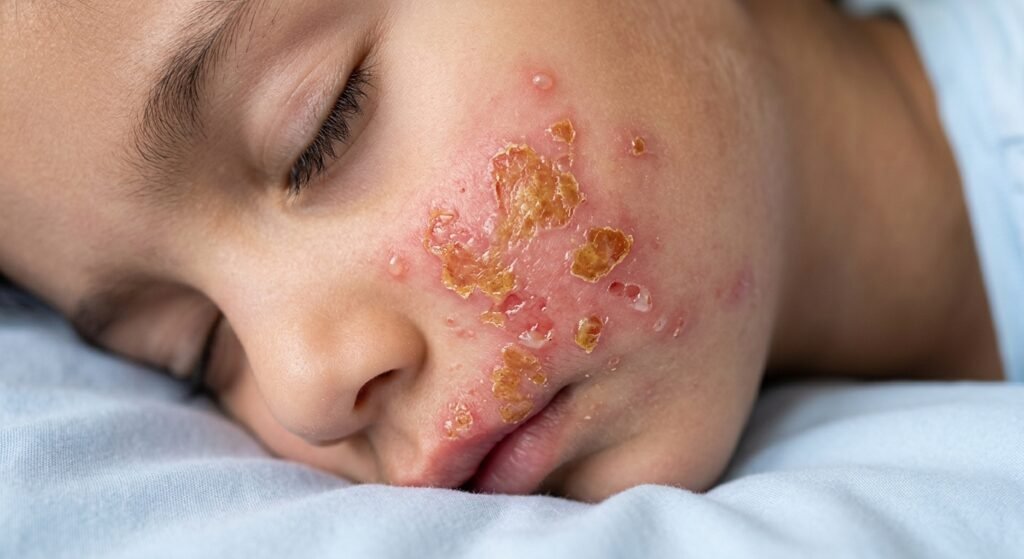
Non-bullous impetigo accounts for roughly eighty percent of all impetigo cases, making it the form you’re most likely to encounter. This type starts with red, itchy skin lesions that quickly progress to pustules—small, pus-filled bumps. Within a day or two, these pustules rupture and leave behind the classic sign of impetigo that everyone recognizes: honey-colored crusts. These crusty lesions are crusted over scabs that have an almost golden, caramel-like appearance. It’s this distinctive honey-colored appearance that makes non-bullous impetigo relatively easy to identify once you know what to look for.
Non-bullous impetigo most commonly appears on areas of the body that are exposed to the environment and prone to injury—the face (particularly around the nose and mouth), hands, legs, and arms. The infection tends to start in one spot and then spread outward and to other areas of the body as the person unconsciously transfers bacteria through scratching and touching. A child might start with impetigo around their nose, then develop new lesions on their hands and arms as they touch the infected area and then touch other parts of their body. The lesions of non-bullous impetigo are usually relatively small, and while uncomfortable and unsightly, they’re less likely to cause scarring than bullous impetigo or ecthyma.
Bullous Impetigo: The Blister-Forming Variant
Bullous impetigo, accounting for the remaining twenty percent of cases, is a more dramatic presentation of impetigo. Instead of starting with pustules that quickly crust over, bullous impetigo creates fluid-filled blisters—these blisters are larger and more impressive than the pustules seen in non-bullous impetigo. When you look at bullous impetigo, you see these distinctive large, fluid-filled blisters that might be filled with clear to yellowish fluid. However, these blisters don’t last long—they’re fragile and rupture easily, leaving behind a red base with a thin crust.
Bullous impetigo is typically caused by specific strains of Staphylococcus aureus that produce toxins capable of destroying the connections between skin cells, which creates these fluid-filled blisters. The blisters themselves aren’t actually filled with bacteria; they’re formed by the action of bacterial toxins on your skin. Bullous impetigo is less common than non-bullous impetigo, but when it does occur, it tends to affect slightly older children and is more likely to result in permanent scarring. The blisters typically appear on areas prone to friction, like the legs and hands.
Ecthyma: The Deeper, More Serious Form
While not technically a separate type but rather a deeper form of impetigo, ecthyma is important to understand because it’s more serious and can have lasting consequences. Ecthyma penetrates deeper into the skin than typical impetigo, extending through the epidermis into the dermis. This deeper infection creates more extensive damage to the skin tissue and is much more likely to leave permanent scars. Ecthyma typically appears as a single or few lesions rather than the multiple widespread lesions seen with typical impetigo. The affected area develops a thick, adherent crust that, when removed, reveals a shallow ulcer underneath.
Ecthyma is particularly common in warm climates and in people with poor skin hygiene or malnutrition. It’s more prevalent in tropical and subtropical regions, where warm, humid conditions promote bacterial survival and skin breakdown. Children living in poverty or in crowded living conditions are at higher risk for ecthyma, as are people with compromised immune systems. The potential for permanent scarring makes ecthyma more concerning than straightforward impetigo and warrants prompt treatment.
Recognizing Impetigo: What Exactly Should You Look For?
The Honey-Colored Crusts: The Hallmark Sign Everyone Should Know
The most distinctive and recognizable feature of impetigo is the honey-colored crust. If you’ve never seen this before, imagine a caramel or honey-colored scab that appears to be crusty and somewhat sticky-looking. These crusts form after pustules rupture and the fluid and pus drain away. The name “honey-colored” is actually quite accurate because the color really does resemble honey or caramel. Once you’ve seen this appearance, you’ll never forget it, and it becomes easy to spot impetigo in the future.
These honey-colored crusts typically appear around areas where skin might be broken or irritated. You’ll often see them around the nose, mouth, or on the hands, though they can appear on any area of the body. The crusts aren’t always the same shade—sometimes they’re more golden, sometimes more brownish, depending on the age of the crust and the extent of dried blood mixed with the crusty material. What’s important is recognizing that this particular appearance, combined with other symptoms, is highly suggestive of impetigo.
Pustules and Fluid-Filled Blisters: The Early Signs
Before those characteristic honey-colored crusts develop, impetigo goes through earlier stages that are worth recognizing. The infection often begins with red, inflamed skin lesions that look like the beginning of any number of skin conditions. Within hours to a day, these develop into pustules—small, pus-filled bumps that are itchy and uncomfortable. These pustules might be surrounded by a halo of redness and inflammation. If you catch impetigo at this stage, before the characteristic crusts develop, prompt treatment can prevent spread.
Bullous impetigo shows up differently, with fluid-filled blisters being the prominent feature instead of pustules. These blisters contain clear to yellowish fluid and can be quite large—up to a few centimeters in diameter. The blisters are fragile and tend to rupture easily, especially in young children who scratch and pick at them. Once ruptured, you see a red, raw base that quickly develops a thin crust. The key difference is the presence of blisters rather than pustules, though in practice, bullous and non-bullous impetigo can sometimes coexist.
Other Symptoms: Beyond Just Skin Changes
While the skin changes are the most obvious feature of impetigo, there can be other symptoms as well. Many people with impetigo experience itching, sometimes quite intense, which leads to scratching and further spread of the infection. Some people report discomfort or pain, particularly if the lesions are in areas prone to friction or if the skin around them is irritated. Lymph nodes near the infection might become enlarged and tender as your immune system responds to the bacterial infection—this is particularly common with Streptococcus pyogenes infections.
Importantly, impetigo doesn’t typically cause systemic symptoms like fever or feeling unwell. If someone with what you think is impetigo is running a fever or seems acutely ill, that suggests either a complication or a different diagnosis. However, the absence of fever shouldn’t reassure you if the skin lesions look like impetigo—the lack of systemic symptoms doesn’t mean the infection isn’t impetigo; it just means your immune system is successfully containing it to the skin.
Risk Factors and Who Gets Impetigo Most Often
Age: Why Children Are Most Vulnerable
While impetigo can affect people of any age, children between two and six years old are most commonly affected. This age group is particularly susceptible for several reasons. Young children are in constant contact with each other in daycare and school settings, providing ideal conditions for contagious spread. They’re also more likely to have minor skin injuries from falling, playing, and general activity. Young children have developing immune systems that haven’t yet encountered all the different bacterial strains circulating in their environment. Additionally, the hygiene practices of young children—less frequent hand washing, tendency to put fingers in their mouth and then touch others, sharing of toys and personal items—all contribute to impetigo’s easy spread in this age group.
However, impetigo can occur at any age. Adolescents and adults can develop impetigo, particularly after injuries, sports-related skin trauma, or if they have compromised immune systems. Athletes who engage in contact sports like wrestling or rugby have higher rates of impetigo because their skin is frequently abraded during play. Elderly people with poor mobility and hygiene might develop impetigo in pressure areas. The disease doesn’t discriminate based on age; it’s simply most common in young children because of behavioral and environmental factors.
Skin Integrity Issues: Small Breaks Create Big Problems
Anything that damages your skin’s protective barrier increases your risk of developing impetigo. Minor cuts, scratches, scrapes, and insect bites are the most common entry points for the bacteria that cause impetigo. Children who play actively outdoors are constantly accumulating small injuries, which is one reason why impetigo is so common in this group. People with eczema or other chronic skin conditions that cause itching and scratching are at higher risk—the constant breakdown of skin from scratching creates multiple entry points for bacterial colonization.
Surgical wounds, even small ones, provide another entry point for impetigo. Athletes who have minor abrasions from their sport are at risk. Anyone with poor circulation or diabetes who has minor foot injuries might develop impetigo if bacteria colonize the wound. The common thread is that wherever there’s a break in the skin, there’s a potential entry point for Staphylococcus aureus and Streptococcus pyogenes bacteria.
Warm and Humid Climates: Environmental Risk Factors
Impetigo is much more common in warm, humid climates than in cool, dry climates. This is why warm climate dermatology considers impetigo a frequent problem. The warm, moist skin environment created in tropical and subtropical regions promotes bacterial survival and reproduction. During summer months in temperate climates, impetigo rates increase. The combination of warm weather, increased sweating, more time spent outdoors with greater likelihood of skin injury, and time spent in pools and other aquatic environments all contribute to higher impetigo rates in warm weather.
Living in crowded conditions with poor sanitation or limited access to clean water increases impetigo risk. This is why impetigo is more common in developing countries and in impoverished populations within developed countries. Additionally, people living in such conditions are more likely to have malnutrition or poor overall health, which compromises immune function and increases susceptibility to infection.
Immune System Factors: When Your Body Can’t Fight Back
Anyone with a weakened immune system faces increased risk of developing impetigo and, more concerning, is at risk for more severe or widespread disease. This includes people with HIV/AIDS, people receiving immunosuppressive medications after organ transplants, and people undergoing chemotherapy for cancer. Additionally, severe malnutrition can compromise immune function. Children with primary immune deficiencies, while rare, are at particular risk for severe impetigo.
Interestingly, previous infection with Streptococcus pyogenes doesn’t provide lasting immunity to impetigo—people can develop impetigo multiple times over their lifetime. This is why recurrent impetigo is a known problem, particularly in certain populations or settings like schools or athletic teams.
How Impetigo Spreads: Understanding Its Contagious Nature
Direct Contact: The Primary Transmission Route
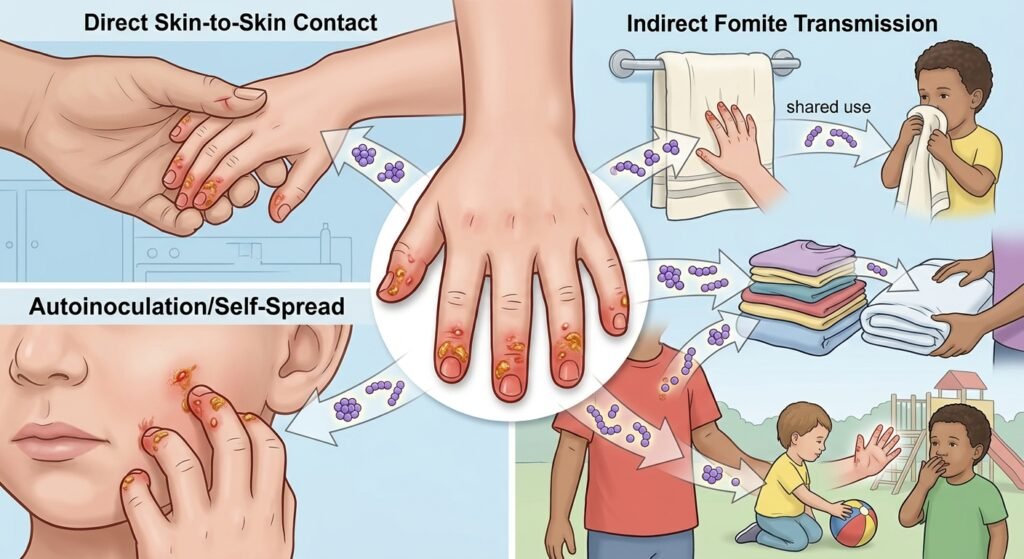
Impetigo is remarkably contagious through direct skin-to-skin contact with infected areas. The fluid from pustules and blisters contains millions of bacteria, and any contact with this fluid transfers the bacteria to a new location. If someone touches an impetigo lesion and then touches someone else, or even touches another part of their own body, they’re spreading the infection. A child with impetigo on their hands who then rubs their eyes or picks at a scab is spreading bacteria directly.
This direct contact transmission is why impetigo spreads so rapidly in schools and daycare centers. Children play together, wrestle, share toys, and make contact with each other constantly. A single child with impetigo can infect multiple classmates within days if the infection isn’t identified and treated. Once one child in a classroom has impetigo, it’s common to see multiple cases within a week or two.
Indirect Contact: Fomites and Contaminated Objects
Beyond direct person-to-person contact, impetigo can spread through contaminated objects and surfaces—what medical professionals call fomites. Towels, bedding, clothing, toys, and other personal items that come into contact with impetigo lesions become contaminated with bacteria. A child with impetigo who uses a towel, and then another child uses the same towel without it being washed, risks getting infected. Sharing a toothbrush, a bed, or toys can transmit impetigo. This is why families often end up with multiple family members infected—the child with impetigo shares a bed with a sibling, shares toys, uses shared bathroom items, and the infection spreads.
Sports equipment, gym mats, and locker room benches can harbor impetigo bacteria, making impetigo particularly common among athletes who share these facilities. Wrestlers, rugby players, and others in close-contact sports are at particularly high risk. Even something as simple as towels and razors in a barber shop or salon can transmit impetigo if they’re not properly sanitized between uses.
Why Impetigo Spreads So Easily
The contagiousness of impetigo is partly due to the bacteria themselves and partly due to human behavior. Staphylococcus aureus and Streptococcus pyogenes are efficient at surviving on skin and in the environment for periods of time. They’re also good at finding entry points into new skin. Additionally, the itching associated with impetigo causes people to scratch, which further breaks down the skin and spreads bacteria to new areas.
Children are particularly effective vectors for spreading impetigo because they’re less likely to follow hygiene practices, they have frequent direct contact with peers, and their developing immune systems make them susceptible once exposed. A single case of impetigo in a classroom or daycare can quickly become an outbreak affecting multiple children.
Complications: When Impetigo Becomes More Serious
Post-Streptococcal Glomerulonephritis: A Kidney-Damaging Consequence
While impetigo is usually a minor nuisance that resolves quickly with treatment, one serious complication you should know about is post-streptococcal glomerulonephritis (PSGN). This occurs when Streptococcus pyogenes bacteria trigger an immune response that damages the kidneys. Fortunately, this complication is relatively rare, occurring in only about one to three percent of impetigo cases caused by Streptococcus pyogenes. However, certain strains of Streptococcus pyogenes are more likely to cause PSGN than others.
Post-streptococcal glomerulonephritis typically develops one to three weeks after the skin infection begins. The first signs might include dark urine (tea-colored or cola-colored), puffiness around the eyes or swelling in the legs, or elevated blood pressure noticed during a routine check. Because this complication develops after the initial skin infection, people might not connect the two. This is why prompt treatment of impetigo with appropriate antibiotics is important—it reduces the risk of complications like PSGN.
Cellulitis: When Infection Spreads Deeper
Cellulitis is an infection of the dermis and subcutaneous tissue—deeper than the superficial bacterial infection of typical impetigo. Cellulitis is more serious than impetigo because it can spread into the bloodstream and cause systemic infection. The boundary between impetigo that’s stayed superficial and cellulitis that’s spread deeper can sometimes be unclear, which is why dermatologists need to evaluate any suspected impetigo carefully. Cellulitis presents with increasing redness, warmth, swelling, and often fever and systemic symptoms like feeling ill.
MRSA: When Antibiotic-Resistant Bacteria Are Involved
MRSA (methicillin-resistant Staphylococcus aureus) is a strain of Staphylococcus aureus that’s resistant to many common antibiotics. When MRSA causes impetigo, it becomes more challenging to treat. MRSA impetigo requires specific antibiotics chosen based on sensitivity testing. Additionally, MRSA infections are more likely to become severe and progress to cellulitis or systemic infection. MRSA is a particular concern in healthcare settings and in communities with high rates of MRSA colonization.
Scarring: The Lasting Reminder
While non-bullous impetigo rarely leaves scars, bullous impetigo and especially ecthyma can result in permanent scarring. This is particularly concerning in visible areas like the face. The scars from ecthyma can be quite noticeable and are essentially impossible to reverse. This is another reason why ecthyma warrants prompt and aggressive treatment—to minimize permanent damage.
Diagnosis and When to Seek Medical Help
How Healthcare Providers Diagnose Impetigo
In most cases, impetigo diagnosis is straightforward based on the clinical appearance. A dermatologist or primary care physician looking at the characteristic honey-colored crusts on a child’s skin in a typical location will quickly recognize impetigo. However, if there’s any uncertainty, a sample of fluid from a pustule or blister can be sent to a laboratory for bacterial culture. This culture identifies which bacteria are causing the infection and can determine antibiotic susceptibility, particularly important if the infection is caused by MRSA or if initial treatment fails.
When to Call Your Doctor
You should seek medical attention if you notice skin lesions that look like they could be impetigo. Don’t wait to see if it improves on its own—impetigo doesn’t resolve without treatment, and the longer you wait, the more the infection spreads. Additionally, you should seek medical attention if you notice signs of complications like worsening redness and swelling that might indicate cellulitis, fever, or dark urine that might suggest kidney involvement. If someone in your household has impetigo and another family member develops similar lesions, prompt treatment of the new case can prevent further spread.
Treatment Options: From Topical to Oral Antibiotics
Topical Antibiotics: The First Line for Localized Infection
For localized impetigo affecting a small area, topical antibiotics are often the first treatment choice. Antibiotic ointments containing mupirocin are particularly effective against both Staphylococcus aureus and Streptococcus pyogenes. These are applied directly to the skin lesions several times daily. Before applying topical antibiotics, the crusts should be gently removed by washing with soap and water or using a soft cloth. Topical antibiotics require good adherence—you need to keep applying them as directed for them to work effectively.
Topical antibiotics work well for impetigo that’s limited to a small area, but if the infection is widespread or if there are lesions on the face that might get contaminated, oral antibiotics might be preferable.
Oral Antibiotics: When Topical Treatment Isn’t Enough
For more extensive impetigo or when topical antibiotics aren’t practical, oral antibiotics are prescribed. Common choices include amoxicillin-clavulanate, cephalosporins, or macrolide antibiotics like azithromycin. For MRSA impetigo, different antibiotics like trimethoprim-sulfamethoxazole (TMP-SMX) or clindamycin might be chosen based on susceptibility testing. Oral antibiotics are taken for seven to ten days, and it’s crucial to complete the full course even if the skin looks better before the course is finished.
The choice of antibiotic depends on local resistance patterns, the likely organism (Staphylococcus aureus or Streptococcus pyogenes), and individual factors like allergies. Your healthcare provider will choose the most appropriate antibiotic for your situation.
Comparing Impetigo Types: Essential Reference Guide
| Type of Impetigo | Primary Features | Causative Bacteria | Typical Appearance | Scarring Risk | Treatment Duration |
|---|---|---|---|---|---|
| Non-Bullous Impetigo | Honey-colored crusts, pustules | Staph aureus (more common), Strep pyogenes | Small pustules that rupture into golden crusts | Minimal to none | 7-10 days |
| Bullous Impetigo | Fluid-filled blisters | Staph aureus strains producing toxins | Large, fragile blisters that rupture quickly | Moderate (common) | 7-10 days |
| Ecthyma | Deep penetrating ulcers | Staph or Strep (usually Group A) | Thick crusts with shallow ulcer underneath | High (common) | 10-14 days (may need oral antibiotics) |
Prevention and Protection: Keeping Impetigo at Bay
Skin Hygiene: Your First Line of Defense
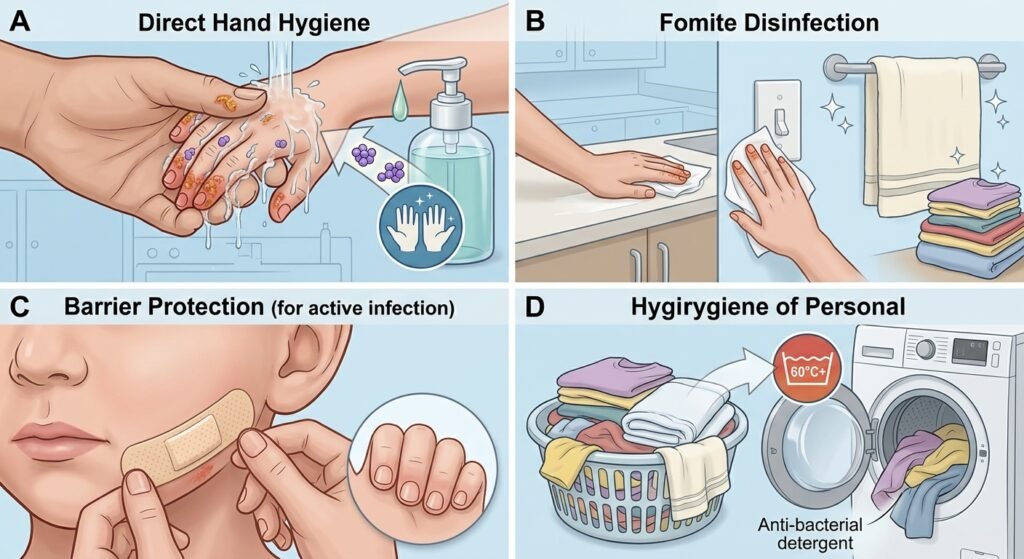
The foundation of impetigo prevention is good skin hygiene. This means regular bathing or showering, washing hands frequently, and keeping skin clean. Washing hands with soap and water, particularly before eating and after touching other people or shared objects, significantly reduces transmission. Teaching children proper hand hygiene from a young age is one of the best investments in preventing impetigo. Hand sanitizer can supplement but shouldn’t replace soap and water washing, as soap and water physically remove bacteria.
Keeping skin dry is also important, as bacteria thrive in warm, moist environments. This means drying skin thoroughly after bathing or swimming, and changing out of wet clothes promptly. In warm weather, ensuring adequate ventilation and avoiding excessive sweating when possible helps maintain drier skin conditions that discourage bacterial growth.
Treating Minor Injuries Promptly
Any minor cut, scratch, or abrasion should be cleaned promptly with soap and water, and larger wounds should be covered with a sterile bandage. Antibiotic ointment can be applied to minor wounds, and keeping wounds clean and dry promotes healing and prevents bacterial colonization. If someone in the family already has impetigo, extra care should be taken with any family member’s skin injuries.
Avoiding Sharing Personal Items
Personal items like towels, washcloths, razors, toothbrushes, and clothing should not be shared, particularly if anyone in the household has impetigo. Sports equipment should be cleaned regularly. In sports settings like wrestling or rugby, mat cleaning between uses is essential. Towel-sharing is a particular risk because warm, damp towels are an ideal environment for bacterial survival.
Recognizing Early Signs and Treating Promptly
Educating yourself and your family about the early signs of impetigo allows for prompt treatment. If you notice pustules or unusual skin lesions on yourself or family members, seeking prompt medical evaluation can prevent spread. During outbreaks in schools or daycare centers, heightened vigilance helps catch new cases early.
Do’s and Don’ts for Managing Impetigo
| DO | DON’T |
|---|---|
| Do seek medical attention as soon as you suspect impetigo | Don’t wait for impetigo to resolve on its own—it won’t without treatment |
| Do apply topical antibiotics exactly as prescribed | Don’t skip doses or stop early, even if the skin looks better |
| Do take complete courses of oral antibiotics | Don’t share antibiotics with family members or use antibiotics from previous infections |
| Do keep affected areas clean and dry | Don’t leave impetigo uncovered where it can spread to others |
| Do wash hands frequently, especially if you have impetigo | Don’t touch impetigo lesions and then touch other people or areas of your body |
| Do practice good skin hygiene with regular bathing | Don’t share towels, clothing, razors, or toothbrushes with others |
| Do cover impetigo lesions to prevent spread to others | Don’t scratch lesions, even though they’re itchy |
| Do monitor for signs of complications like swelling or dark urine | Don’t assume complications won’t happen—watch for warning signs |
| Do inform schools or childcare facilities about the diagnosis | Don’t send children to school until they’ve had at least 24-48 hours of antibiotics |
| Do clean and sanitize toys and personal items | Don’t reuse bandages or dressings without proper cleaning |
Managing Recurrent Impetigo: Why It Keeps Coming Back
Understanding Why Some People Get Impetigo Repeatedly
Recurrent impetigo, meaning impetigo that develops again after apparent cure, is frustrating and raises the question of why some people seem prone to repeated infections. The reasons vary. Some people might be chronic carriers of Staphylococcus aureus in their nose or on their skin, meaning the bacteria persist even after treatment and can cause infection again if skin is broken. Some people have subtle immune deficiencies that make them more prone to skin infections. Environmental factors like crowded living conditions, poor sanitation, or working in settings with frequent skin exposure increase risk of repeated exposure to the bacteria.
Additionally, some people might have inadequate treatment of the initial infection, leading to incomplete bacterial elimination and recurrence. Others might reinfect themselves from contaminated objects before the initial infection has fully healed.
Strategies for Preventing Recurrence
If you have recurrent impetigo, your healthcare provider might recommend additional measures beyond just treating each infection as it occurs. These might include preventive application of topical antibiotics during high-risk periods, more frequent cleansing with antimicrobial soaps, or evaluation for chronic carriage of Staphylococcus aureus. Some people benefit from taking steps to reduce skin irritation and maintain skin integrity. If recurrent impetigo is severe or frequent, investigation into underlying immune issues might be warranted.
Impetigo in Different Populations
Impetigo in Warm Climates and Tropical Regions
In tropical and subtropical regions, impetigo is a much more common problem than in temperate climates. The combination of warm weather, high humidity, poor sanitation in some areas, and limited access to clean water creates ideal conditions for bacterial skin infections. In these regions, impetigo causes significant morbidity, particularly in children in impoverished populations. Prevention through education about skin hygiene and prompt treatment when impetigo develops is particularly important in these settings.
Pediatric Dermatology: Impetigo in Children
From a pediatric dermatology perspective, impetigo is one of the most common bacterial skin infections seen. Most cases occur in children aged two to six years, though older children and adolescents can develop impetigo. Early recognition and prompt treatment are essential to prevent spread within schools and families. Parents should be educated about the contagious nature of impetigo and the importance of treatment compliance.
Impetigo in Athletes
Athletes involved in contact sports are at particularly high risk for impetigo due to frequent skin contact and minor abrasions. Wrestlers, rugby players, and others should be educated about impetigo recognition and prevention. Athletic facilities should maintain high hygiene standards with regular cleaning of mats and equipment. Once a case of impetigo develops in an athlete, prompt treatment and temporary exclusion from contact sports until lesions have begun to heal are necessary to prevent spread to teammates.
The Psychological and Social Impact
School Exclusion and Social Disruption
One significant impact of impetigo is the required exclusion from school or daycare. Most schools require that children with impetigo receive at least twenty-four to forty-eight hours of antibiotics before returning to school. While this is necessary to prevent spread, it can be disruptive for families, particularly when both parents work outside the home. Understanding that this exclusion is temporary and necessary for the health of the school community helps parents accept the inconvenience.
Emotional Impact and Stigma
Some children feel self-conscious about the visible lesions of impetigo, particularly if they’re on the face. Teachers and peers might react negatively due to the contagious nature and unfamiliar appearance of the infection. Educating children that impetigo is common, treatable, and not something to be ashamed of can help minimize emotional impact. Reassuring children that with treatment, impetigo will resolve completely helps them cope with the temporary disruption.
Conclusion: Taking Impetigo Seriously
Impetigo might seem like a minor skin condition, but its contagious nature, ability to spread rapidly, and potential for complications make it something to take seriously. Understanding what impetigo is, recognizing its signs and symptoms, knowing your risk factors, and understanding how it spreads puts you in a position to prevent it or treat it promptly if it develops. Early recognition and appropriate treatment with topical or oral antibiotics resolve impetigo quickly and prevent both spread to others and potential complications.
Whether you’re a parent worried about your child’s skin, a teacher concerned about classroom outbreaks, or someone dealing with recurrent impetigo, remember that this is a highly treatable condition. The key is prompt recognition, prompt treatment, and good hygiene practices to prevent spread and recurrence. With these steps, impetigo can be managed effectively, and the disruption to your life or your community’s health can be minimized.