


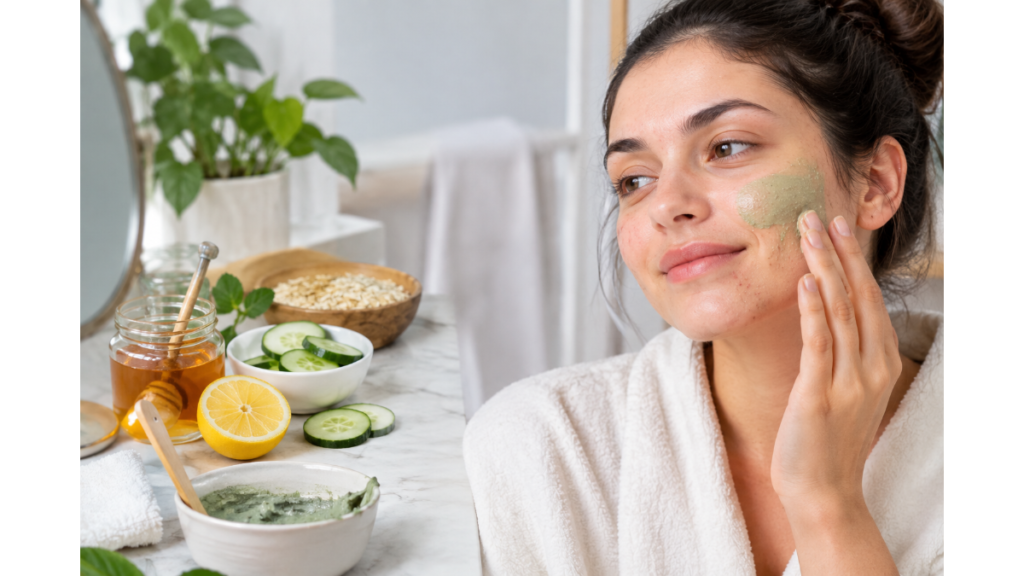
How to Get Rid of Acne Naturally: Waking up to a fresh breakout is one of those small frustrations that can throw off your entire day, and if you have spent years chasing clear skin through harsh scrubs, expensive serums, or prescription creams that leave your face red and peeling, you are not alone. The good news is that some of the most effective tools for fighting acne are not locked away in a dermatologist’s cabinet at all. They are natural, gentle, and backed by a growing body of research showing that plant-based oils, minerals, and simple lifestyle shifts can calm inflammation, control excess oil, and help your skin heal on its own terms. This guide walks through natural acne remedies that actually hold up under scrutiny, from tea tree oil for acne to zinc for acne treatment, along with the diet and lifestyle habits that quietly make or break your results.
Why Acne Happens in the First Place
Before jumping into remedies, it helps to understand what is actually going on under your skin. Acne forms when hair follicles become clogged with excess oil (sebum) and dead skin cells, creating a perfect environment for bacteria to multiply. This triggers inflammation, which is why breakouts often show up red, swollen, and tender rather than just as flat blackheads. Hormones, stress, diet, genetics, and even the products you put on your face all play a role in how much oil your skin produces and how your body responds to that clogging. Because acne has so many contributing factors, the most successful natural approach usually combines a few strategies at once rather than relying on a single miracle ingredient.

Tea Tree Oil for Acne: A Natural Antibacterial Ally
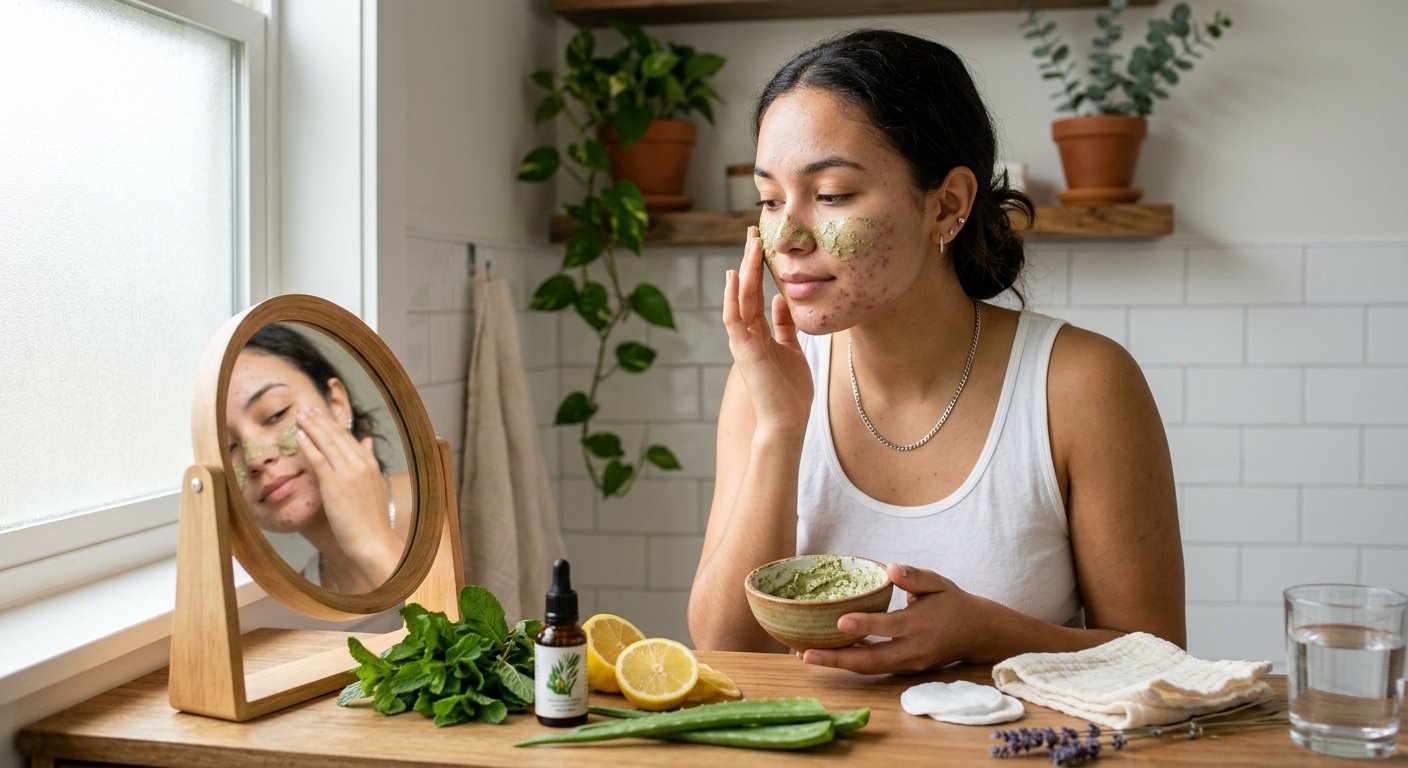
Tea tree oil is probably the most researched natural acne remedy out there, and for good reason. Extracted from the leaves of the Australian Melaleuca alternifolia tree, it contains a compound called terpinen-4-ol, which has documented antibacterial and anti-inflammatory properties. Several clinical trials have found that topical tea tree oil can reduce inflammatory breakouts over a period of weeks, with results that are sometimes comparable to mild over-the-counter benzoyl peroxide, but with less dryness and irritation.
The key with tea tree oil is dilution. Pure, undiluted tea tree oil is too strong to apply directly to your skin and can cause redness or a burning sensation. Mix a few drops with a carrier oil, such as jojoba or coconut oil, at roughly a 5 percent concentration, then dab it onto blemishes with a cotton swab once or twice a day. Always do a patch test on your inner arm first and wait 24 hours to check for a reaction before applying it to your face. For more detail on safe usage, the American Academy of Dermatology has a helpful overview of acne treatment options at aad.org.
Aloe Vera for Pimples: Calm the Redness, Speed the Healing
If your skin tends to react angrily to every new product you try, aloe vera for pimples is worth keeping on hand. The gel from the aloe plant is packed with compounds like aloin and salicylic acid derivatives that soothe irritated skin, reduce redness, and support the wound-healing process. It will not clear a deep, hormonal breakout on its own, but it works beautifully as a calming layer after using stronger active ingredients like tea tree oil or benzoyl peroxide, and it helps prevent the kind of post-acne redness that can linger for weeks.
For best results, use pure aloe vera gel straight from the plant if you have access to one, or choose a store-bought version with as few added fragrances and thickeners as possible. Apply a thin layer to clean skin, let it absorb, and follow up with a lightweight, non-comedogenic moisturizer to lock in hydration without clogging pores.
Green Tea Skin Benefits: Drink It, Apply It, Repeat
Green tea skin benefits go well beyond a relaxing afternoon ritual. The polyphenols in green tea, particularly a compound called EGCG, have strong antioxidant and anti-inflammatory effects that help calm irritated, acne-prone skin from both the inside and the outside. Drinking a few cups a day may help reduce the overall inflammatory load in your body, while applying cooled green tea directly to your face, either as a toner or frozen into ice cubes for a soothing swipe, can reduce oiliness and redness on the spot.
Many skincare brands now include green tea extract in serums and moisturizers because it pairs well with other acne-fighting ingredients without being harsh. If you want a budget-friendly version, simply brew a cup of green tea, let it cool completely, and use it as a gentle facial rinse after cleansing.
Zinc for Acne Treatment: The Mineral Your Skin Might Be Missing
Zinc for acne treatment has solid scientific backing, and it works through a few different mechanisms. Zinc helps regulate oil production, has natural anti-inflammatory properties, and supports the immune response your skin needs to fight off acne-causing bacteria. Research has shown that people with more severe acne often have lower zinc levels, which is why both topical zinc creams and oral zinc supplements are commonly recommended as part of a natural acne routine.
If you choose to take zinc orally, stick to the recommended daily amounts, since too much zinc can cause nausea and may interfere with your body’s absorption of copper over time. Topical zinc, often found in facial mists, oil-free lotions, or spot treatments, tends to be gentler and is a good starting point if you are new to using it for your skin.
Manuka Honey Spot Treatment: Sweet Relief for Stubborn Spots
A manuka honey spot treatment sounds almost too simple to work, but manuka honey, sourced from bees that pollinate New Zealand’s manuka bush, has genuinely impressive antibacterial and wound-healing properties thanks to a compound called methylglyoxal. Unlike regular honey, manuka honey is graded by its potency (look for a UMF or MGO rating on the label), and higher-grade versions tend to be more effective against acne-causing bacteria.
To use it, dab a small amount of raw manuka honey directly onto an active breakout, leave it on for 20 to 30 minutes, and rinse with lukewarm water. Because it is naturally sticky and slightly antibacterial, it also makes a nice occasional face mask for calming overall redness, not just individual spots.
Jojoba Oil for Skin: Fighting Oil with Oil
It sounds counterintuitive, but jojoba oil for skin is one of the best-kept secrets for oily, acne-prone complexions. Jojoba oil’s molecular structure closely resembles the sebum your skin naturally produces, which means it can trick your skin into producing less oil overall when used consistently. It is also non-comedogenic, meaning it will not clog your pores the way heavier oils like coconut oil sometimes can.
Jojoba oil works well as a lightweight moisturizer on its own, or as the carrier oil for diluting stronger ingredients like tea tree oil. A few drops massaged into clean skin at night can help balance oil production, soften rough texture, and reduce the tightness that often comes after using acne treatments that dry out the skin.
Do’s and Don’ts for Treating Acne Naturally
Natural remedies work best when they are used correctly and consistently. Here is a quick reference table to keep your routine on track.
| Do’s | Don’ts |
|---|---|
| Patch test any new natural remedy on your inner arm first | Apply undiluted essential oils like tea tree oil directly to your skin |
| Use non-comedogenic moisturizers to maintain skin hydration and acne balance | Skip moisturizer just because your skin feels oily |
| Give a natural remedy at least 4 to 6 weeks before judging results | Combine too many active ingredients at once, which can irritate skin |
| Wash your pillowcase and phone screen regularly | Pop or pick at pimples, which increases scarring risk |
| Introduce one new product at a time | Over-exfoliate in an attempt to speed up results |
Hormonal Acne Natural Remedies: Working with Your Cycle
Hormonal acne, the kind that tends to show up along the jawline and chin around your menstrual cycle, responds a bit differently than surface-level breakouts, which is why hormonal acne natural remedies often focus on balancing hormones rather than just treating the skin directly. Spearmint tea hormonal acne research is one of the more interesting findings in this space. Studies have found that drinking one to two cups of spearmint tea daily can help lower androgen levels in some women, which may reduce the oil production that drives hormonal breakouts over time.

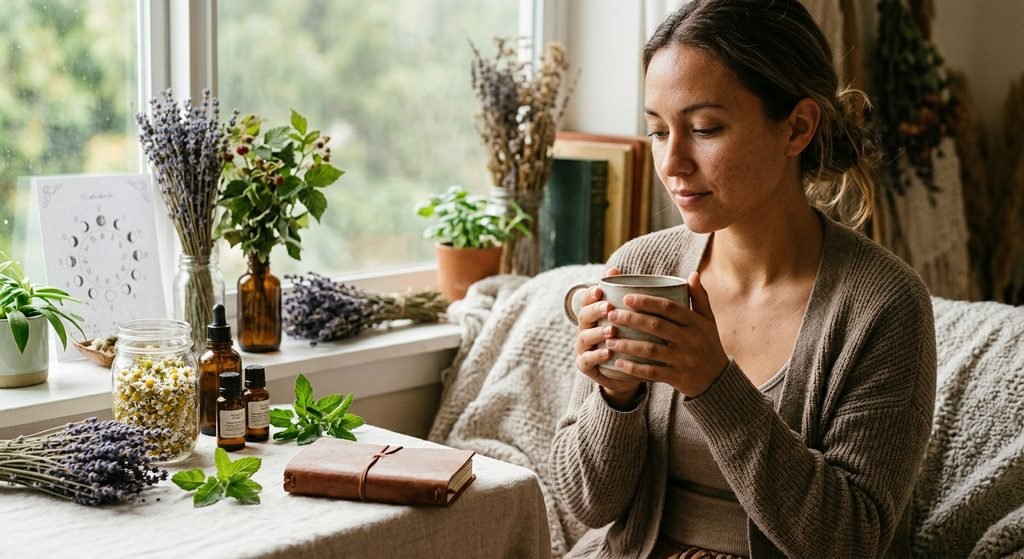
Beyond spearmint tea, managing stress plays a bigger role in hormonal acne than most people realize, since cortisol spikes can trigger the same androgen response that drives breakouts before your period. Gentle exercise, consistent sleep, and stress-reduction practices like walking or journaling can support hormonal balance alongside any topical treatment you are using.
Anti-Inflammatory Acne Treatments and the Power of Omega-3
Since inflammation sits at the center of nearly every acne flare-up, anti-inflammatory acne treatments deserve a central place in any natural routine. This is where omega-3 anti-inflammatory foods come in. Omega-3 fatty acids, found in fatty fish like salmon and sardines, walnuts, chia seeds, and flaxseed, help lower the inflammatory markers in your body that can make breakouts more severe and slower to heal.
Adding a couple of servings of omega-3-rich foods to your week, or taking a fish oil or algae-based supplement if you do not eat fish, is a low-effort way to support your skin from the inside. Pair this with topical anti-inflammatory ingredients like the tea tree oil and green tea mentioned earlier, and you are addressing acne from both directions at once.
Low-Glycemic Diet and Acne: What You Eat Shows on Your Skin
The connection between a low-glycemic diet and acne has moved from fringe theory to a topic dermatologists now take seriously. High-glycemic foods, think white bread, sugary cereals, and soda, cause rapid spikes in blood sugar and insulin, which in turn can increase oil production and inflammation in the skin. Several studies have found that people who switch to a low-glycemic diet, rich in whole grains, vegetables, legumes, and lean proteins, see a meaningful reduction in acne severity within just a few months.
This does not mean you need to eliminate carbohydrates entirely. It simply means choosing slower-digesting, fiber-rich options over refined sugar and white flour whenever possible, and paying attention to how your skin reacts after particularly sugary meals.
Comparing Natural Remedies at a Glance
Since there are so many options, it helps to see how they stack up side by side before deciding where to start.
| Natural Remedy | Best For | How to Use |
|---|---|---|
| Tea tree oil | Active, inflamed pimples | Diluted 5% with carrier oil, applied 1-2 times daily |
| Aloe vera | Redness and irritation | Thin layer on clean skin, once or twice daily |
| Green tea | Oily, inflamed skin | Cooled tea as a toner, or 2-3 cups consumed daily |
| Zinc | Recurring or cystic acne | Topical cream or a modest oral supplement |
| Manuka honey | Individual stubborn spots | Spot treatment for 20-30 minutes, rinse off |
| Jojoba oil | Oily skin needing balance | A few drops as a nightly moisturizer |
| Spearmint tea | Hormonal, jawline acne | 1-2 cups daily, consistently for several weeks |
Non-Comedogenic Moisturizers and Skin Hydration
One of the biggest mistakes people with acne-prone skin make is skipping moisturizer altogether, assuming it will make breakouts worse. In reality, skin hydration and acne are closely linked, because dehydrated skin often overproduces oil to compensate, which can actually lead to more clogged pores. The fix is not to avoid moisturizer, but to choose the right kind. Non-comedogenic moisturizers are specifically formulated not to clog pores, and ingredients like jojoba oil, hyaluronic acid, and niacinamide are generally safe bets for acne-prone skin.
Apply your moisturizer after any active treatments like tea tree oil or zinc cream, while your skin is still slightly damp, to help seal in hydration without adding excess oil on top.
Acne Lifestyle Changes That Make a Real Difference
No remedy works in isolation, and small acne lifestyle changes often move the needle more than people expect. Simple habits like changing your pillowcase twice a week, avoiding touching your face throughout the day, cleaning your phone screen, and swapping heavy, pore-clogging makeup for lighter, mineral-based alternatives can meaningfully reduce how often you break out. Sleep also matters more than most people realize, since your skin does much of its repair work overnight, and chronic sleep deprivation raises cortisol levels in a way that can worsen inflammatory acne.
Helpful vs Harmful Habits for Acne-Prone Skin
| Helpful Habits | Harmful Habits |
|---|---|
| Sleeping 7-9 hours consistently | Frequently touching or resting your hands on your face |
| Washing your face twice daily with a gentle cleanser | Over-washing or scrubbing skin aggressively |
| Managing stress through exercise or relaxation techniques | Ignoring chronic stress and poor sleep |
| Choosing non-comedogenic makeup and sunscreen | Sleeping in makeup |
| Staying hydrated and eating a low-glycemic diet | Regularly consuming high-sugar, high-dairy diets without noticing skin reactions |
When Natural Remedies Are Not Enough
Natural acne remedies can work remarkably well for mild to moderate breakouts, but it is worth being honest about their limits. Severe cystic acne, deep nodules, or breakouts that leave scarring often need professional treatment alongside, or instead of, natural approaches. If you have been consistent with natural remedies for 8 to 12 weeks without meaningful improvement, or if your acne is painful, widespread, or affecting your confidence day to day, it is worth booking an appointment with a dermatologist. They can offer treatments like prescription retinoids or hormonal therapy that work well in combination with the gentler, natural habits you have already built. For general, trustworthy medical information on acne causes and treatment, the National Institute of Arthritis and Musculoskeletal and Skin Diseases offers a reliable resource at niams.nih.gov.
Bringing It All Together
Clear skin rarely comes from a single product or a single week of effort. It comes from stacking small, consistent habits, diluted tea tree oil at night, a soothing layer of aloe vera when your skin feels angry, a cup of green tea or spearmint tea instead of your third coffee, a plate that leans more toward vegetables and lean protein than sugar and white bread, and a non-comedogenic moisturizer that respects your skin’s need for hydration. None of these changes will clear your skin overnight, but given a few consistent weeks, most people notice calmer, less inflamed, more balanced skin. Acne is frustrating precisely because it responds to patience rather than urgency, but the natural remedies covered here give you a realistic, sustainable path toward getting there, without harsh chemicals or a medicine cabinet full of products you cannot pronounce.