


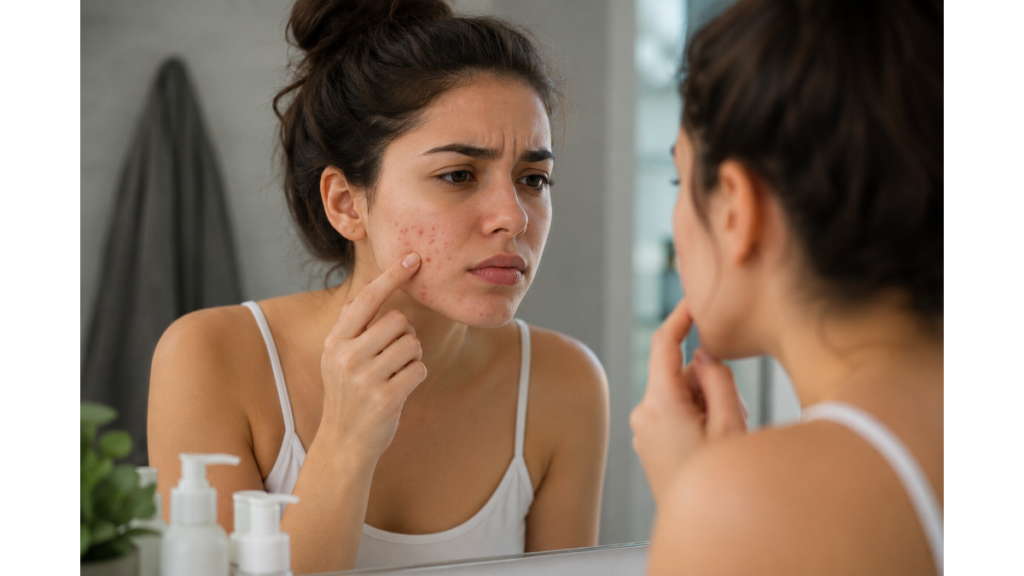
How to get rid of pimples is probably one of the most searched skincare questions on the planet, and for good reason — almost everyone deals with a breakout at some point, whether it’s a single angry spot before a big event or a longer-term battle with acne that just won’t quit. The frustrating part isn’t just the pimples themselves. It’s the flood of conflicting advice out there: toothpaste on a zit, ice cubes, lemon juice, a dozen “miracle” creams promising overnight results. Some of it helps a little. A lot of it does nothing or makes things worse. This guide cuts through that noise and walks through what actually works, based on dermatology-backed approaches rather than internet folklore.

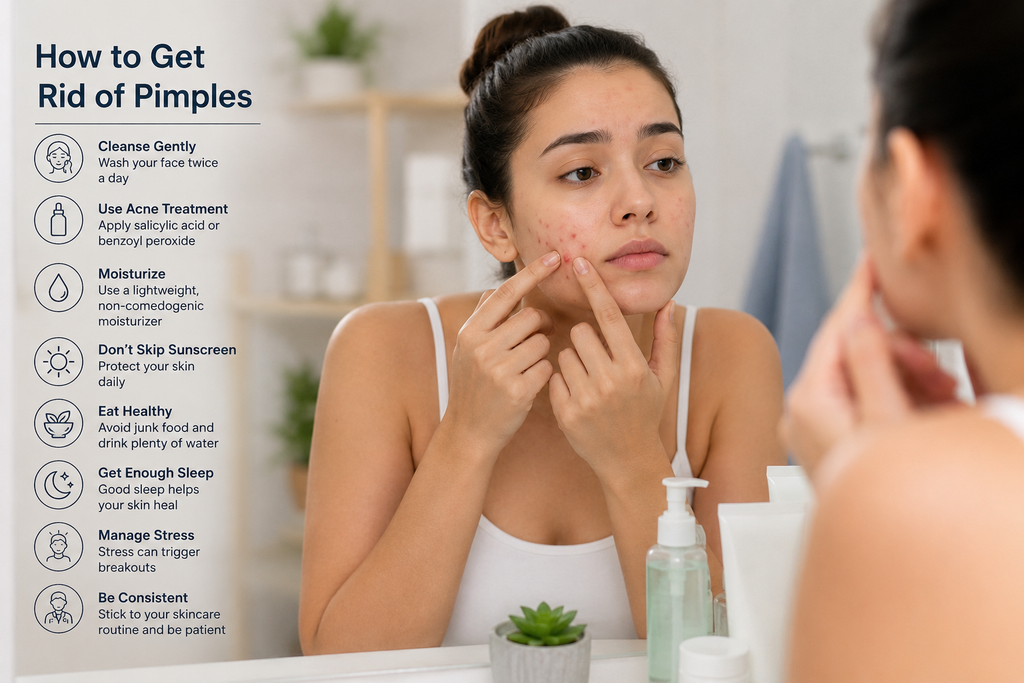
Understanding What’s Actually Happening Under Your Skin
Before jumping into acne treatment options, it helps to understand what a pimple actually is. Your skin is covered in tiny hair follicles, each connected to an oil gland. When that gland produces too much oil, or when dead skin cells build up and clog the pore, bacteria that normally live harmlessly on your skin get trapped inside and start multiplying. Your immune system responds to that bacterial buildup with inflammation, and that’s the redness, swelling, and sometimes pain you feel. Different combinations of clogged pores, oil, and bacteria produce different types of pimples — blackheads, whiteheads, papules, pustules, and the deeper, more painful cystic kind. Knowing which type you’re dealing with actually matters, because the right pimple remedies depend heavily on what’s causing the breakout in the first place.
Why Hormones Play Such a Big Role
If you’ve ever noticed breakouts showing up like clockwork around your period, or if acne seemed to appear out of nowhere in your late twenties or thirties, hormones are very likely the reason. Fluctuating hormone levels increase oil production in the skin, which creates the perfect setup for clogged pores. This is why hormonal acne remedies often look different from standard breakout treatment. Where a typical pimple might respond well to a spot treatment, hormonal acne tends to be more stubborn, showing up repeatedly along the jawline and chin, and often needs a longer-term, consistent approach rather than a quick fix. Options range from adjusting your skincare routine to, for some people, talking to a dermatologist about prescription treatments that specifically target hormonal triggers.
Building a Face Wash Routine That Doesn’t Backfire
A lot of people make their acne worse without realizing it, simply by washing too aggressively or too often. Scrubbing your face hard, using harsh exfoliants daily, or washing more than twice a day strips your skin of natural oils, which can actually trigger your glands to produce even more oil to compensate. The best acne face wash isn’t necessarily the strongest one — it’s one that clears away excess oil and debris without leaving your skin feeling tight or raw. Gentle, consistent cleansing morning and night, using lukewarm water rather than hot, tends to outperform an aggressive scrubbing routine every single time.
Salicylic Acid: The Pore-Clearing Workhorse
Among the ingredients dermatologists reach for most often, salicylic acid for acne has earned its reputation honestly. It’s a beta-hydroxy acid that dissolves in oil, which lets it slip inside the pore itself and clear out the buildup of dead skin cells and excess sebum that leads to blackheads and whiteheads. It also has a mild anti-inflammatory effect, which helps calm redness around existing breakouts. You’ll find it in cleansers, toners, and spot treatments at a range of strengths, and it’s generally considered gentle enough for daily use, though starting slow and watching how your skin reacts is always the smarter move.
Benzoyl Peroxide: The Bacteria Fighter
While salicylic acid focuses on clearing pores, benzoyl peroxide spot treatment works differently — it targets the bacteria driving the inflammation. Benzoyl peroxide releases oxygen into the pore, creating an environment that acne-causing bacteria simply can’t survive in. It’s one of the ingredients that dermatology guidelines consistently point to as genuinely effective, and it’s available over the counter in a wide range of concentrations. The tradeoff is that it can be drying and, in some cases, bleach fabric, so a lot of people apply it strictly to affected spots rather than the whole face, and pair it with a good moisturizer to offset the dryness.
The Best Pimple Cream Isn’t One-Size-Fits-All
People often ask what the single best pimple cream is, hoping for one universal answer, but the honest truth is that it depends on your skin type and what’s actually causing your breakouts. Oily, acne-prone skin often does well with a benzoyl peroxide or salicylic acid formula. Sensitive or dry skin may need something gentler, like azelaic acid, which reduces inflammation and bacteria with less irritation. Persistent, painful, or cystic acne is a different situation altogether, and often needs a dermatologist’s input rather than an over-the-counter product. The most effective approach is usually matching the treatment to the specific type of acne you’re dealing with, rather than grabbing whatever product has the most convincing packaging.

Don’t Skip Moisturizer — Seriously
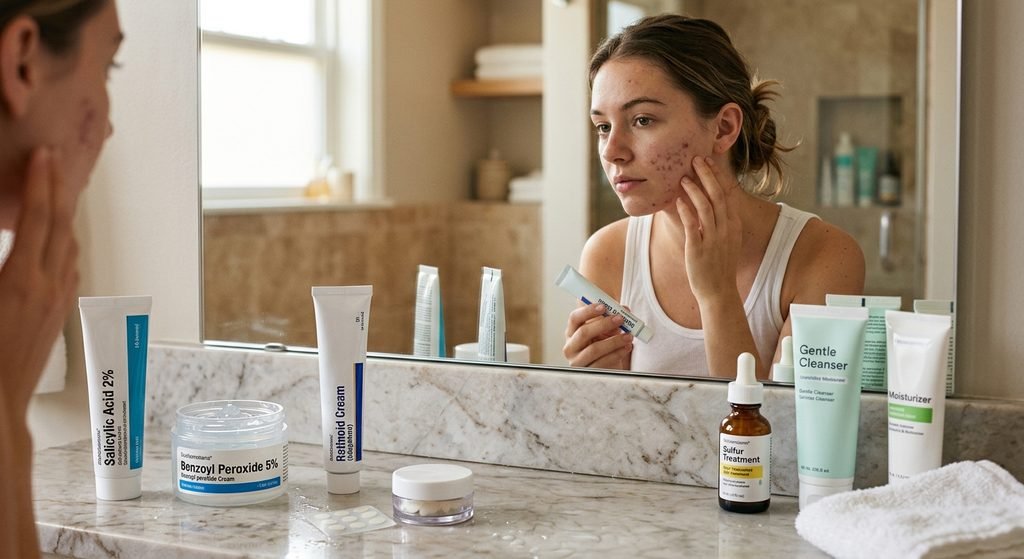
One of the most common mistakes with acne-prone skin is skipping moisturizer altogether, out of a fear that it will make breakouts worse. In reality, dehydrated skin often overproduces oil to compensate, which can lead to more breakouts, not fewer. The fix is choosing a non-comedogenic moisturizer — meaning one specifically formulated not to clog pores. These products let you keep your skin barrier healthy and hydrated while still treating active breakouts, and they also help offset the dryness that ingredients like benzoyl peroxide and retinoids can cause.
Calming Down Redness Fast
Reducing pimple redness is often what people care about most in the short term, especially when there’s an event or photo coming up. A cold compress applied for a few minutes can reduce swelling and calm inflammation almost immediately. Over-the-counter hydrocortisone cream, used sparingly and only occasionally, can also bring down redness and swelling on an individual spot. Green-tinted color correctors are a purely cosmetic option that can visually neutralize redness under makeup. None of these fix the underlying cause, but they’re genuinely useful tools when you need a pimple to look less angry in the next few hours rather than the next few weeks.
Pimple Patches: A Simple Tool That Actually Works
Pimple patches for breakouts have become hugely popular, and unlike a lot of skincare trends, this one largely lives up to the hype for certain types of pimples. These small adhesive patches, usually infused with ingredients like salicylic acid or hydrocolloid, are placed directly over a pimple. Hydrocolloid patches work by absorbing fluid and pus from the pimple while creating a protective barrier that stops you from picking at it — which, for a lot of people, is half the battle. They tend to work best on pimples that are already close to the surface, like whiteheads, rather than deep cystic acne, but for the right kind of blemish, they’re a genuinely low-effort, effective option.
Comparing Your Main Acne-Fighting Ingredients
Choosing between ingredients can get confusing fast, especially with so many products claiming to be the solution. Here’s a straightforward breakdown of what the most common options actually do.
| Ingredient | Best For | How It Works | Possible Downside |
|---|---|---|---|
| Salicylic Acid | Blackheads, whiteheads, oily skin | Dissolves oil and clears clogged pores | Can cause mild dryness or peeling |
| Benzoyl Peroxide | Inflamed, bacterial breakouts | Kills acne-causing bacteria | Can bleach fabric; drying at higher strengths |
| Azelaic Acid | Sensitive skin, redness, mild hormonal acne | Reduces inflammation and bacteria gently | Slower results than stronger actives |
| Retinoids | Clogged pores, texture, scarring | Speeds up cell turnover, prevents clogging | Initial irritation (“purging”) is common |
| Niacinamide | Redness, oil control, sensitive skin | Calms inflammation, regulates oil production | Generally well tolerated; minimal downside |
Things That Genuinely Help vs. Habits That Make It Worse
A lot of the confusion around how to clear acne comes down to bad habits people don’t realize are working against them. This table lays out the difference clearly.
| Do’s for Clearer Skin | Don’ts That Make Acne Worse |
|---|---|
| Wash your face gently, twice a day | Scrub aggressively or wash more than twice daily |
| Use non-comedogenic products consistently | Pick, pop, or squeeze pimples |
| Introduce new actives slowly, one at a time | Layer multiple strong actives all at once |
| Change pillowcases regularly | Sleep in makeup or skip nighttime cleansing |
| Apply sunscreen daily, even with acne treatments | Skip sun protection while using retinoids or acids |
| Be patient — most treatments take 6–8 weeks | Switch products every few days out of frustration |
Why Picking at Pimples Backfires Every Time
It’s genuinely tempting to pop a pimple, especially when it feels like the fastest way to get rid of it. But picking almost always makes things worse. It pushes bacteria and debris deeper into the skin, increases inflammation, and significantly raises the risk of scarring — turning a temporary pimple into a mark that can stick around for months or longer. If a pimple absolutely needs to be addressed, letting a professional extract it properly, or simply letting a spot treatment and patch do the work over a day or two, produces a far better outcome than DIY popping ever does.
Dealing With the Aftermath: Acne Scar Removal
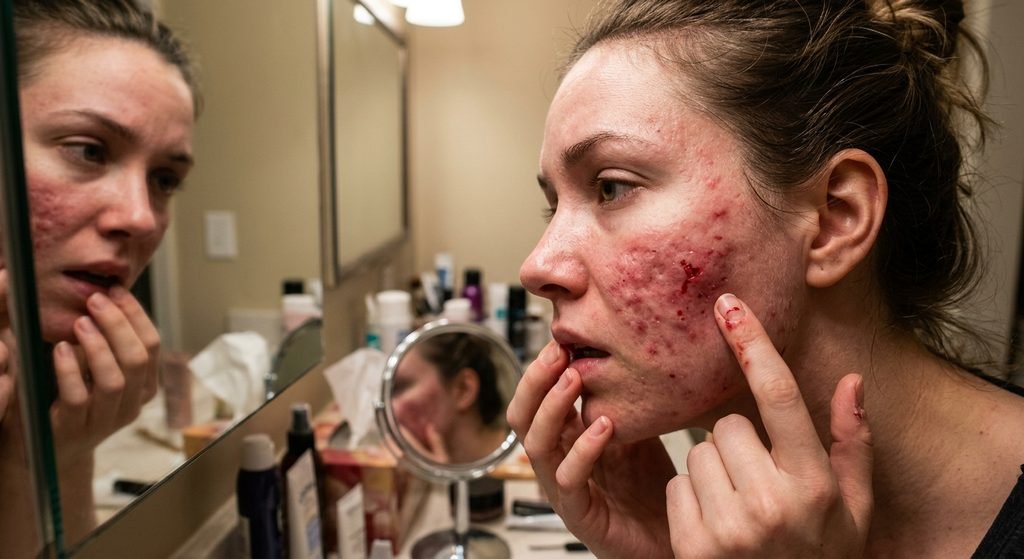
Even with the best routine, some scarring can happen, and acne scar removal is its own separate challenge from treating active breakouts. Ingredients like retinoids and vitamin C can help fade discoloration and encourage skin renewal over time, though they work gradually rather than overnight. For deeper, textured scarring, in-office treatments like chemical peels, microneedling, or laser therapy tend to produce more noticeable results, though they usually require a dermatologist and multiple sessions. It’s worth noting that treating active acne first is important, since continuing to pick up new breakouts while trying to treat old scars tends to be an uphill battle.
Diet, Stress, and Other Everyday Triggers
While no single food causes acne in every single person, there’s reasonably consistent evidence that high-glycemic diets — lots of sugar and refined carbohydrates — and dairy can worsen breakouts for some individuals. Stress doesn’t cause acne on its own either, but it does increase the hormones that ramp up oil production, which can make existing acne noticeably worse. Sleep, hydration, and generally managing stress levels won’t replace an actual skincare routine, but they do meaningfully support it, and ignoring them while chasing the “best pimple cream” is often a missed piece of the puzzle.
When It’s Time to See a Dermatologist
Over-the-counter pimple remedies genuinely work for a lot of people, but they’re not the answer for everyone. If breakouts are painful, cystic, leaving scars, or simply not responding to consistent over-the-counter treatment after two to three months, it’s time to bring in a professional. According to updated guidelines from the American Academy of Dermatology, treatments like prescription-strength topical retinoids, oral antibiotics, and in more severe or hormonally driven cases, options like oral contraceptives or isotretinoin, are often far more effective than anything available over the counter for persistent or severe acne. There’s no reason to struggle for months on your own when a dermatologist can identify the actual cause and get you on a treatment plan that’s built specifically for your skin. You can read more about the latest dermatology guidance on acne management for a clearer sense of what professional treatment options actually look like.
Building a Routine You’ll Actually Stick With
The biggest reason acne treatment fails for a lot of people isn’t that the products don’t work — it’s that they get abandoned too soon. Most active ingredients take six to eight weeks of consistent use before you see real results, and a lot of people quit around week two out of frustration, right before things would have started improving. A simple, sustainable routine — a gentle cleanser, one active ingredient introduced at a time, a non-comedogenic moisturizer, and daily sunscreen — consistently outperforms an aggressive, ever-changing routine packed with five different products fighting each other. The American Academy of Dermatology’s clinical guidance also emphasizes combining treatments with different mechanisms rather than relying on just one, which is exactly why a thoughtful, layered-but-simple routine tends to beat a complicated one.
Getting Rid of Acne for Good Takes Patience, Not Perfection
At the end of the day, learning how to get rid of pimples isn’t about finding one magic product — it’s about building consistent habits, understanding your specific skin, and giving treatments the time they actually need to work. Some breakouts will respond to a good face wash and a spot treatment. Others need a more targeted approach, involving hormonal considerations, prescription-strength ingredients, or professional guidance. What matters most is staying consistent, resisting the urge to pick, and adjusting your approach based on what your skin is actually telling you rather than what worked for someone else on the internet. Clear skin isn’t usually an overnight transformation, but with the right combination of ingredients, habits, and patience, it’s a genuinely achievable goal for most people.