

Meal planning can considerably aid healthy eating. But alongside hectic lifestyles, growing food costs, and conflicting information about food, it can be difficult to follow a healthy eating pattern. A healthy weight-loss eating plan comprises healthy, correctly portioned and varied foods and does not involve costly extra foods, complex cooking methods or the avoidance of favorite foods.
A long-term healthy eating plan is underpinned by good nutritional knowledge and includes an array of tasty food options. Minor lifestyle and dietary changes including batch cooking and high fibre food selection, can also assist in following a healthy diet. This resource includes a seven-day healthy eating program, uncomplicated recipes, a food shopping list, cost-effective food substitutes, and helpful cooking tips, for health-aware adults.
What Is a Meal Plan for Weight Loss?
A meal plan for weight loss is a structured eating schedule that combines balanced meals, appropriate portions, and nutritious ingredients to support healthy weight management. An effective plan includes vegetables, fruits, protein sources, whole grains, and healthy fats while accommodating individual nutritional needs.Weight management involves the relationship between energy intake and energy expenditure. When weight reduction is appropriate, a calorie deficit can contribute to weight loss over time.
However, factors such as genetics, metabolism, sleep, medications and physical activity also influence body weight.
According to the National Institute of Diabetes and Digestive and Kidney Diseases (NIDDK), healthy weight management involves sustainable eating patterns and lifestyle habits rather than temporary dietary restrictions.
How to Create a Healthy Weight Loss Meal Plan
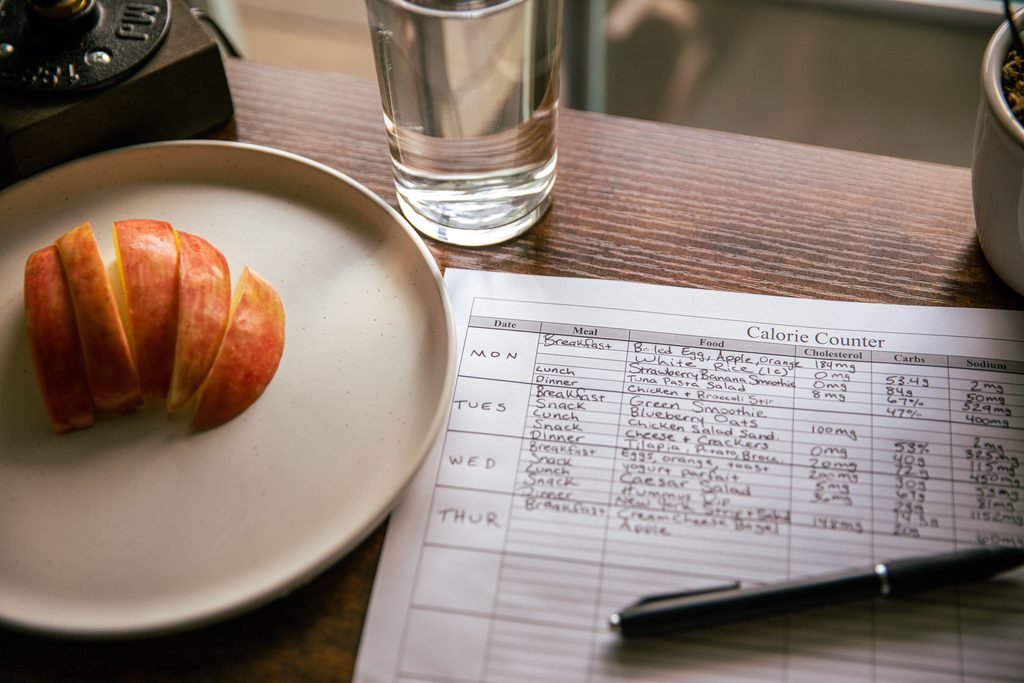
A successful eating routine begins with understanding individual nutritional needs and selecting foods that support overall health.
Understand Individual Nutritional Needs
Everyone has unique dietary needs, which depend on age, physical activity, and health.Compared with someone who does little physical exercise, an active adult may need to consume more calories. Consequently it may not always be suitable for two people to adhere to identical calorie and/or serving amounts.In order to aid weight management, an individual’s diet should be both well balanced and supply adequate nutrients. Where necessary, a qualified dietitian can assist in devising an appropriate diet for someone.
Include Protein, Fiber, and Healthy Fats.
Balanced meals contain a combination of nutrients that support energy levels, digestion, and normal bodily functions.
| Nutrient | Main benefits | Food sources |
| Protein | Supports muscle maintenance and fullness | Eggs, chicken, fish, tofu |
| Fiber | Supports digestion and satiety | Oats, beans, vegetables |
| Healthy fats | Supports nutrient absorption | Avocado, nuts, olive oil |
| Carbohydrates | Provides energy | Brown rice, potatoes, whole grains |
| Vitamins and minerals | Supports normal bodily functions | Fruits, vegetables, dairy |
A high-protein meal plan for weight loss may support fullness and muscle maintenance when combined with adequate overall nutrition. Fiber-rich foods can also help create satisfying meals.
Practice Healthy Portion Control
Balanced portions make it easier to enjoy different foods while meeting nutritional requirements.A visual plate method can provide a useful starting point without requiring detailed calorie calculations. However, portions should remain flexible according to appetite, activity and health needs.
Choose Nutrient-Dense Foods
Nutrient-dense foods provide essential vitamins, minerals, and other nutrients relative to their energy content.Whole grains, legumes, vegetables, fruits, and lean protein sources offer a practical foundation for balanced meals.
The World Health Organization’s healthy diet guidance emphasizes dietary variety and adequate consumption of nutritious foods.
7-Day Meal Plan for Weight Loss
This weekly meal plan for weight loss provides convenient breakfast, lunch, dinner, and snack ideas using everyday ingredients. The meals are designed to offer variety while making grocery shopping and preparation easier.
| Day | Breakfast | Lunch | Dinner | Snack |
| Monday | Berry oatmeal with milk | Chicken quinoa salad | Salmon, broccoli, and brown rice | Greek yogurt |
| Tuesday | Eggs and whole-grain toast | Chickpea vegetable wrap | Chicken and vegetable stir-fry with rice | Apple and peanut butter |
| Wednesday | Greek yogurt with berries and oats | Lentil soup and whole-grain bread | Turkey and vegetable grain bowl | Mixed nuts |
| Thursday | Overnight oats with banana | Tuna and avocado sandwich | Baked chicken with sweet potatoes | Cottage cheese and fruit |
| Friday | Fruit, yogurt, and oat smoothie | Mediterranean chickpea salad with pita | Whole-wheat vegetable pasta with beans | Fruit and nuts |
| Saturday | Vegetable omelet and toast | Grilled chicken wrap | Tofu stir-fry with brown rice | Carrots and hummus |
| Sunday | Banana and peanut butter oatmeal | Quinoa and bean bowl | Baked fish with potatoes and vegetables | Greek yogurt |
Important note: This menu is an illustrative starting point, not an individualized diet prescription. Additional meals, larger portions or extra snacks may be necessary to meet personal nutritional requirements.
Healthy Breakfast for Weight Loss
Breakfast can provide energy and help establish a regular eating routine. Meals containing protein, fiber, and whole grains can be particularly satisfying.
Quick recipe: Berry oatmeal
| Ingredient | Example serving |
| Rolled oats | ½ cup |
| Milk or fortified soy milk | 1 cup |
| Berries | ½ cup |
| Chopped nuts | 1 tablespoon |
Estimated preparation time: 10 minutes.
The oats can be cooked with milk before adding berries and chopped nuts. Additional ingredients or larger servings can be included according to individual needs.
Healthy Lunch Ideas for Weight Loss
Balanced lunches combine protein, vegetables and carbohydrates to provide nourishment throughout the afternoon.
Quick recipe: Chicken quinoa salad
| Ingredient | Example serving |
| Cooked chicken | 100 g |
| Cooked quinoa | ¾ cup |
| Mixed vegetables | 1–2 cups |
| Olive oil | 1 tablespoon |
| Lemon juice | To taste |
Estimated preparation time: 15 minutes with precooked ingredients.
The ingredients can be combined in a bowl and dressed with olive oil, lemon juice, and herbs. Chickpeas or tofu provide vegetarian alternatives.
Healthy Dinner Ideas for Weight Loss
Nutritious dinners can remain flavorful without requiring complicated cooking techniques.
Quick recipe: Baked salmon with vegetables
| Ingredient | Example serving |
| Salmon | 120–150 g |
| Broccoli | 1–2 cups |
| Cooked brown rice | ¾ cup |
| Olive oil | 1 tablespoon |
| Garlic and herbs | To taste |
Estimated preparation time: 25–30 minutes.
The salmon and broccoli can be seasoned and baked at approximately 400°F (200°C) until the fish reaches a safe internal temperature of 145°F (63°C). Cooked brown rice completes the meal. A simple meal plan for weight loss becomes easier to maintain when meals reflect personal preferences and household routines.
How to Customize the Weekly Meal Plan
Different lifestyles require different meal planning approaches.
| Lifestyle or preference | Suggested adjustment |
| Vegetarian diet | Replace meat with beans, lentils, or tofu |
| Dairy-free diet | Choose suitable fortified plant-based alternatives. |
| Busy work schedule | Prepare portable lunches and overnight oats |
| Limited grocery budget | Use beans, oats, and frozen vegetables. |
| Higher activity levels | Adjust portions and include additional snacks. |
| Family meals | Prepare shared dishes with individually appropriate portions. |
Flexibility allows healthy eating to become part of everyday life rather than a temporary routine.
Complete Weight Loss Grocery List
A well-organized weight loss grocery list makes shopping more convenient, reduces unnecessary purchases, and simplifies weekly preparation.Healthy foods for weight loss can include vegetables, whole grains, legumes, eggs, fish, and unsweetened yogurt.
The following shopping quantities are approximate starting estimates for one adult.
| Category | Ingredients | Estimated quantity |
| Poultry | Chicken and ground turkey | 750–900 g |
| Seafood | Salmon, white fish, and tuna | 400–500 g |
| Eggs | Whole eggs | 6 eggs |
| Plant protein | Beans, lentils, chickpeas and tofu | 3–4 cans of legumes and 200 g of tofu |
| Vegetables | Broccoli, spinach, carrots, cucumber, and peppers | 2–3 kg |
| Fruits | Apples, bananas, and berries | 1.5–2 kg |
| Whole grains | Oats, quinoa, brown rice, and pasta | Approximately 250 g each |
| Bread | Whole-grain bread, wraps, and pita | Small packages as needed |
| Dairy | Milk, Greek yogurt, and cottage cheese | Approximately 1.5–2 kg/L combined |
| Healthy fats | Olive oil, nuts, avocado and peanut butter | As needed |
Actual quantities depend on portion sizes, household requirements, and existing pantry supplies.
Pro tip: Checking available ingredients before shopping can reduce unnecessary spending and food waste. Frozen vegetables and fruits also provide convenient alternatives to fresh produce.
Easy Meal Prep for Weight Loss
Preparing meals in advance makes nutritious food more accessible during busy periods. It can also reduce daily cooking time and simplify household routines.
Prepare Ingredients in Advance
A weekly preparation session can include washing vegetables, cooking grains, preparing salad ingredients, and organizing breakfast supplies.
Overnight oats, washed fruit, and portioned snack ingredients can make busy mornings more manageable.
Batch Cook Weekly Meals
Meal prepping is where a number of meals and/or food items are prepared. To do so, you would:
- Analyze your weekly meal plan and assess what food you have.
- Cook staple foods such as rice, quinoa, pulses, and protein.
- Clean and slice fruit and vegetable.
- Prepare breakfast and lunch items.
- Portion up meals.
Note: on each container when it was prepared.
Place meals in the freezer for future consumption throughout the week. The meal prepping advice below also promotes versatile food usage. For instance, cooked chicken can then be added to salads, in wraps, and in grain bowls.
Store Prepared Meals Safely
Food should also be stored correctly. Many cooked dishes can be safely stored in a fridge at 40°F (4°C) or less for up to 3-4 days (FoodSafety.gov). Typically, perishable cooked food should be refrigerated within 2 hours and within 1 hour if the ambient temperature is above 90°F (32°C). Leftover food should then be reheated to 165°F (74°C). Dishes can either be frozen or made nearer to when they are to be eaten.
How to Follow a Weight Loss Meal Plan on a Budget
Healthy eating does not have to depend on premium groceries or expensive specialty products. A budget-friendly weight loss meal plan can include affordable staples such as oats, eggs, beans, lentils, seasonal vegetables, and whole grains.
| Higher-cost ingredient | Affordable alternative |
| Fresh salmon | Canned salmon or sardines |
| Quinoa | Brown rice |
| Fresh berries | Frozen berries |
| Premium protein bars | Yogurt or roasted chickpeas |
| Prepackaged salads | Whole vegetables |
| Prepared grain bowls | Homemade rice and bean bowls |
| Expensive meat cuts | Lentils, beans, or eggs |
Buying frequently used pantry ingredients in larger quantities may reduce unit costs when suitable storage is available.
How to Calculate the Cost of Each Meal
Dividing food into single portions can then be used to help families effectively manage their spending. Splitting an imaginary $8 lentil soup recipe into 4 portions results in each portion costing $2. Prices will also differ depending on where you are, which store you shop at and what time of year it is. Using current supermarket prices in your area will provide a more accurate idea of how much you are spending, compared to general weekly expenditure figures.
Top tip—You can limit food wastage by using common items to prepare different meals.
Healthy Food Swaps for Weight Loss
Small dietary adjustments can improve nutritional quality without completely changing familiar eating habits.
| Common food choice | Nutritious alternative |
| Sugar-sweetened drinks | Water or unsweetened tea |
| Refined breakfast cereals | Oatmeal with fruit |
| White bread | Whole-grain bread |
| Frequent deep-fried meals | Baked or grilled meals |
| Cream-based dressings | Yogurt or olive oil-based dressings |
| Sweetened yogurt | Plain yogurt with berries |
| Sugary snack bars | Fruit with nuts |
These healthy food swaps are flexible suggestions rather than strict rules. Favorite foods can still form part of a balanced eating pattern.
Vegetarian and Dairy-Free Alternatives
- Plant-based eaters can replace selected meat dishes with lentils, beans, tofu, or tempeh.
- Adults avoiding dairy may choose unsweetened, calcium-fortified soy beverages or other suitable fortified alternatives.
- Checking ingredient labels and maintaining dietary variety can help meet nutritional needs.
How to Manage Weight Without Counting Calories
Not everyone needs to count calories to manage their weight. Balanced meals, appropriate portions, and awareness of hunger and fullness can offer alternative approaches.
The Balanced Plate Method
Vegetables and fruits
Broccoli, carrots, spinach, and berries
Protein
Chicken, fish, beans, and tofu
Whole grains
Brown rice, quinoa and wholegrain
Example plate layout. Serving sizes and further food types can be adapted to suit specific diets .Using the healthy eating plate is a straightforward way of managing serving sizes to support weight loss. Unlike calorie counting, it does not need in-depth analysis. Extra sources of healthy fat, dairy (or dairy free substitutes) and sufficient hydration can also be added to meals, again depending on personal requirements.
Practice Mindful Eating
Mindful eating is when you become more conscious of food and your feelings of hunger/satiety. Eating undistracted and taking enough time for meals can also enable people to eat in a more reflective manner.
Common Weight Loss Meal Planning Mistakes
Even carefully designed meal plans can become difficult to maintain when expectations are unrealistic.
| Common mistake | Better approach |
| Following excessively restrictive diets | Include a variety of nutritious foods. |
| Eating insufficient protein or fiber | Combine different nutrient sources. |
| Ignoring hunger and individual needs | Adjust meals and portions appropriately. |
| Preparing complicated recipes | Choose simple, familiar meals |
| Expecting immediate results | Focus on gradual, sustainable progress |
| Neglecting sleep and physical activity | Maintain balanced lifestyle habits. |
Body weight naturally fluctuates. Stress, sleep, hormonal changes, and medical conditions can also influence weight management. A flexible routine that supports overall well-being is generally more practical than an unnecessarily restrictive eating schedule.
How to Stay Consistent With Healthy Eating Habits
Healthy lifestyle choices are often encouraged by tailoring food around our lifestyles. It is also beneficial to have easily accessible healthy foods so that nutritious meals can be eaten at short notice, whether this is due to work or family commitments.
- Frozen and tinned foods, wholegrain bread and eggs can all be utilized to enable fast meal preparation.
- Exercise, sufficient rest, and maintaining proper fluid intake all promote good health.
The NIDDK advises that effective and safe weight control should be based on achievable targets and long-term sustainable behaviour modification.
Note: Specific dietary advice may be necessary for children, those who are either pregnant or breastfeeding, people with an eating disorder, and/or those with particular health issues.
Free Printable Weekly Weight Loss Meal Planner
A printable weight loss meal planner can simplify grocery shopping, food preparation, and weekly organization.The following reusable template allows meals to be organized according to individual preferences.
Weekly Meal Planner
Balanced meals • Grocery shopping • Healthy routines
Week beginning: __________________
| Day | Breakfast | Lunch | Dinner | Snacks |
| Mon | ||||
| Tue | ||||
| Wed | Breakfast | |||
| Thu | ||||
| Fri | ||||
| Sat | ||||
| Sun |
- Grocery checklist
- Meal preparation tasks
- Copy Free Meal Planner
The template can be copied, printed, or adapted each week to accommodate changing schedules, budgets, and dietary preferences.
Final Thoughts
Alongside good nutritional value, appropriate size, cost-effectiveness, and diverse foods can all contribute to an effective weight loss diet.
Healthy, long-term weight loss is more likely to occur when individuals set themselves achievable targets and adopt healthy behaviours. Healthy behaviour can often be further supported by batch cooking, careful planning of shopping, and by selecting enjoyable foods.
Whilst the 7 day meal plan can easily be personalised to suit someone’s specific nutritional requirements, tastes, and lifestyle,
It is highly beneficial to initially utilize the free meal planner available to structure healthy meals, compile a shopping list, and begin a healthy behavior pattern for the week.
FAQs : About meal plan for weight loss
What is the ideal diet?
A suitable diet will be both nutritious and supply the correct amount of energy. Typically, good diets include fruit and vegetables, carbohydrates, protein, and healthy fats. Food selections should reflect both personal tastes and health needs.
Is it possible to lose weight without calculating your calorific intake?
Yes. People can effectively control their weight by eating well-proportioned meals, exercising, and being mindful of when they feel hungry and/or satiated. Although people may not consciously measure calories, total caloric consumption is still important.
Which foods assist with healthy weight loss?
Alongside other foods, vegetables, fruit, eggs, beans, carbohydrates, and yogurt can all be included within healthy diets. As previously noted, there is no ‘magic’ food that will always result in someone losing weight. It is the general diet and personal situation which is key.
Does a high protein diet aid weight loss?
High protein diets can help to increase feelings of satiety and to preserve muscle. Yet, again, simply having a high protein intake will not necessarily lead to weight loss. Alongside containing enough protein, a healthy diet should also have adequate sources of fiber, carbohydrates and healthy fats, together with key vitamins and minerals.
How do I begin planning my meals?
For novices, a basic diet for weight loss can consist of easy-to-prepare meals. An uncomplicated shopping list can then be created and appropriate ingredients sourced. Furthermore, people can plan ahead and slowly implement healthier options.
Can I maintain a healthy weight loss diet on a budget?
Yes. Budget friendly foods including oats, lentils, eggs, beans and frozen vegetables can all be utilised to enable healthy eating. Meal Planning can also help to save money by focussing on common ingredients and by price-checking items at the supermarket.