

Red Pimple on Inner Thigh:
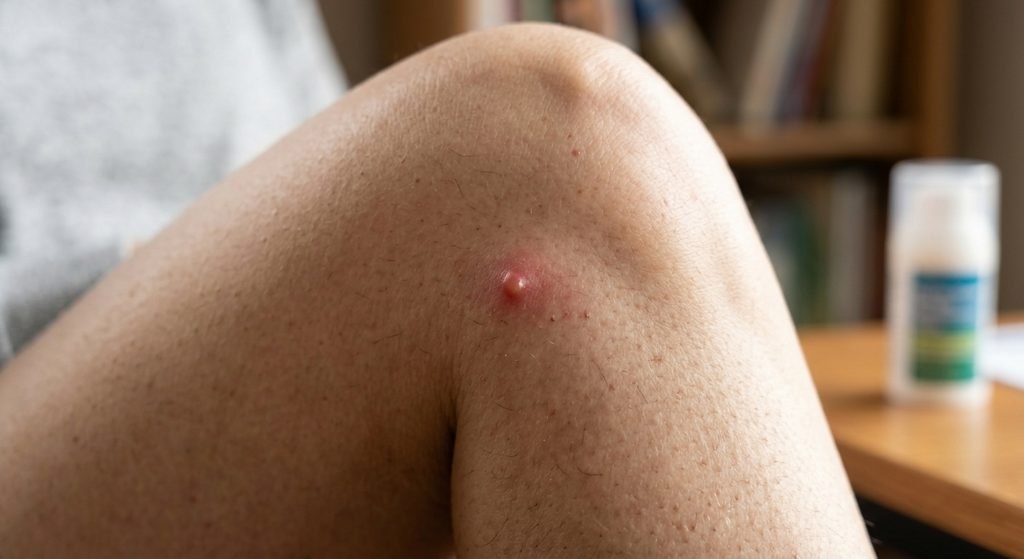
You are getting dressed, you glance down, and there it is — a red, angry-looking bump sitting quietly on your inner thigh. It was not there yesterday. It might be sore when your jeans rub against it, or it might just itch in that annoying way that makes you want to scratch it in public and pretend you are not. If you have ever dealt with a red pimple on inner thigh skin, you already know it is more than a cosmetic nuisance. This part of the body is warm, damp, and constantly rubbing against fabric or against itself, which makes it a hotspot for everything from a simple case of thigh acne to something more stubborn like folliculitis inner thigh breakouts or even an abscess on inner thigh skin that needs medical attention. This article walks through what is actually happening under your skin, why the inner thigh is so prone to these bumps, and how to tell the difference between something that will clear up in two days and something that needs a doctor’s eyes on it.
Why the Inner Thigh Is a Breeding Ground for Bumps
The inner thighs rub together with almost every step you take. Add sweat, tight underwear, synthetic gym leggings, and a humid day, and you have created the ideal environment for skin irritation and bacterial growth. The skin here also has a decent number of hair follicles, which means it is vulnerable to ingrown hair inner thigh problems, especially if you shave, wax, or use hair removal creams in that area. Unlike your face or arms, this skin rarely gets fresh air. It sits inside layers of clothing for most of the day, which traps moisture and heat against the follicles. That combination of friction, moisture, and blocked pores is basically a recipe for a red bump on thigh friction can cause on its own, even without any infection involved.
Common Causes Behind a Red Pimple on the Inner Thigh
Not every bump has the same root cause, and figuring out which one you are dealing with matters because the treatment is different for each. Below is a quick breakdown of the usual suspects.
| Possible Cause | What It Looks Like | Typical Trigger |
|---|---|---|
| Thigh acne | Small whitehead or blackhead-style bump | Clogged pores from sweat, lotion, or tight clothing |
| Folliculitis | Cluster of small red or pus-filled bumps around hair | Shaving, waxing, friction, or bacterial infection |
| Ingrown hair | Single raised bump with a hair sometimes visible inside | Hair curling back into the skin after removal |
| Boil or abscess | Large, firm, painful lump that may grow over days | Deep bacterial infection of a hair follicle |
| Chafing pimples | Red, raw patches with tiny bumps | Repeated skin-on-skin or fabric-on-skin rubbing |
| Hidradenitis Suppurativa (early stage) | Recurring tender lumps, sometimes with tunnels under skin | Chronic inflammation of sweat glands, often in skin folds |
Knowing which category your bump falls into is the first step, and honestly, sometimes it takes a day or two of watching it to know for sure.
Thigh Acne: The Most Common Culprit
Thigh acne behaves a lot like the acne you might get on your face or back. Pores get clogged with a mix of sweat, dead skin cells, and oil, and bacteria move in to cause inflammation. The result is a small, tender, red bump that sometimes has a white or yellow center. It is more common in people who work out regularly and do not change out of sweaty leggings right away, or who sit for long hours in non-breathable fabric. The good news is that thigh acne is usually the mildest of the bunch and often clears up with basic hygiene changes rather than medical treatment.
Folliculitis on the Inner Thigh: When Hair Follicles Get Infected
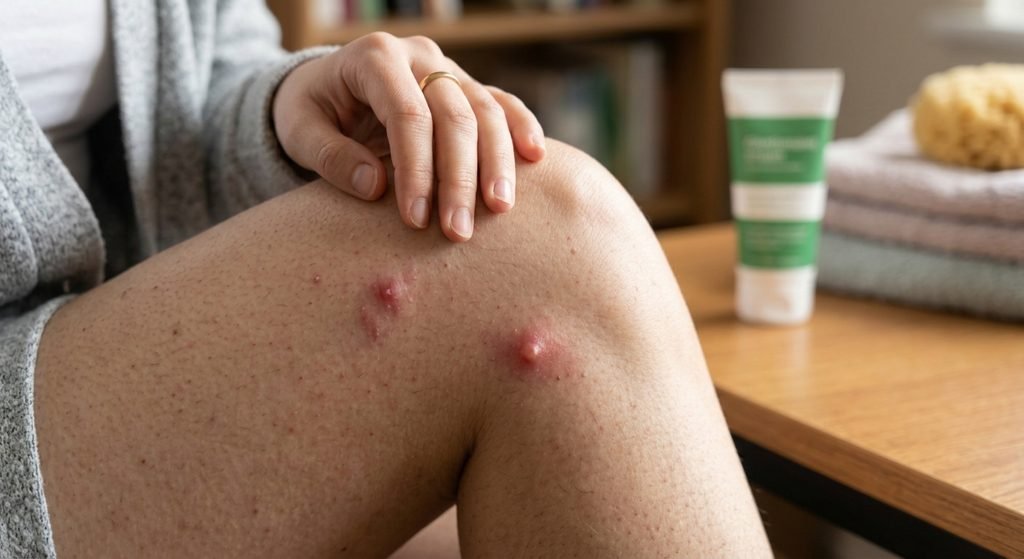
Folliculitis inner thigh cases happen when a hair follicle becomes inflamed or infected, usually by bacteria such as staph, though yeast and irritation from shaving can also be responsible. This condition can look similar to acne and be uncomfortable or itchy. You will typically notice a cluster of small red bumps rather than a single spot, and they tend to appear right where hair grows, which on the inner thigh means basically anywhere. Prolonged sitting, especially when sweaty or wearing tight clothing, along with frequent shaving or waxing, tight or non-breathable fabric, and heavy sweating, all raise the risk of developing this kind of infected hair follicle groin and thigh irritation. Folliculitis is genuinely common on the buttocks, arms, and legs, particularly the thighs, and most cases improve within seven to ten days with basic care.
Ingrown Hairs: A Sneaky Source of Painful Bumps
If you regularly shave, wax, or use an epilator on your inner thighs, an ingrown hair inner thigh bump is probably something you have already met. This happens when a cut or removed hair curls back and grows sideways into the skin instead of straight out. Your body treats it like a foreign object and reacts with redness, swelling, and sometimes a small amount of pus. These bumps can be itchy and uncomfortable, especially when clothing rubs against them throughout the day. They usually resolve on their own once the hair either frees itself or grows out, but picking at them tends to make things worse and can leave a dark mark behind.
Boils and Abscesses: When It Turns Into Something Bigger
Sometimes a simple irritated follicle does not stay simple. If left untreated, folliculitis can progress into boils or carbuncles, which are larger infections that develop beneath the skin and can lead to abscesses. A boil on inner thigh skin usually starts as a firm, red, tender lump that grows larger and more painful over a few days, sometimes developing a visible head of pus. An abscess on inner thigh skin is essentially a boil that has become a deeper, walled-off pocket of infection, and it often needs to be drained by a medical professional rather than left to pop on its own. This is also the point where a thigh pimple won’t pop no matter how tempting it is to try, and forcing it usually pushes the infection deeper or spreads it to surrounding skin.
Chafing Pimples: Friction’s Contribution to the Problem
Chafing pimples show up when skin rubs against skin or against fabric repeatedly, breaking down the outer skin barrier and leaving it inflamed and vulnerable. Runners, cyclists, and anyone who spends a lot of time on their feet in warm weather knows this pattern well. The skin becomes red, sometimes raw, and small bumps can form as sweat and bacteria settle into the irritated area. Unlike acne or folliculitis, chafing pimples are driven almost entirely by mechanical friction rather than clogged pores, so the fix usually involves reducing rubbing rather than treating an infection.
Hidradenitis Suppurativa: A Condition Worth Recognizing Early
This one deserves its own mention because it is often mistaken for a simple boil at first. Hidradenitis Suppurativa early stages usually present as one or two tender, recurring lumps in areas where skin folds against skin, such as the inner thighs, groin, or underarms. What sets it apart is the pattern: the bumps keep coming back in the same spots, sometimes joining together or forming small tunnels under the skin over time. It is a chronic inflammatory condition rather than a one-off infection, and catching it early makes a real difference in how manageable it becomes. If you notice repeated flare-ups in the same location over several months, it is worth mentioning to a doctor specifically, rather than assuming it is just another pimple.
Do’s and Don’ts for Managing a Red Bump on the Inner Thigh
| Do’s | Don’ts |
|---|---|
| Keep the area clean and dry throughout the day | Don’t pick, squeeze, or pop the bump |
| Wear breathable, loose-fitting clothing | Don’t wear tight synthetic fabric for long stretches |
| Apply a warm compress to encourage drainage of boils | Don’t share razors or towels with anyone |
| Change out of sweaty clothes promptly after exercise | Don’t shave over an already irritated or bumpy area |
| Use a gentle antibacterial cleanser if infection is suspected | Don’t use harsh scrubs that further irritate the skin |
| See a doctor if the bump grows, spreads, or won’t heal | Don’t ignore fever or spreading redness around the bump |
How to Treat a Boil on the Thigh at Home
For a mild boil that is not causing severe pain or spreading, home care is often the first line of treatment. A warm compress applied for ten to fifteen minutes several times a day encourages the boil to come to a head and drain naturally. Keeping the area clean, avoiding tight clothing that rubs against it, and resisting the urge to squeeze it all help the healing process along. Mild folliculitis and related bumps will likely heal without scarring in a few days with basic self-care, though more serious or repeat infections may need prescription medicine. If a boil grows larger than about half an inch, becomes extremely painful, or does not improve after a week of home care, it is time to get it looked at professionally rather than continuing to wait it out.
When a Painful Red Lump on Inner Thigh Skin Needs a Doctor
Most inner thigh bumps are harmless and self-limiting, but certain signs mean you should not just wait for it to go away on its own. A painful red lump on inner thigh skin that keeps growing, feels hot to the touch, is surrounded by spreading redness, or comes with a fever is a signal that the infection may be moving beyond what home care can handle. A health care provider may prescribe an antibiotic lotion or gel for mild bacterial infections, though oral antibiotics are not routinely used unless the case is more severe. For larger boils or abscesses, minor in-office drainage is sometimes necessary because antibiotics alone cannot clear a pocket of trapped pus. It is always reasonable to get a bump checked if you are unsure what it is, especially if it keeps coming back in the same spot.
Advantages and Disadvantages of Common Treatment Approaches
| Treatment Approach | Advantages | Disadvantages |
|---|---|---|
| Warm compress at home | Cheap, easy, encourages natural drainage | Slower results, not enough for deep infections |
| Over-the-counter antibacterial cream | Convenient, reduces mild surface infection | May not penetrate deeper follicle infections |
| Prescription topical or oral antibiotics | Effective against bacterial causes, faster relief | Requires a doctor visit, possible side effects |
| In-office drainage of a boil or abscess | Immediate relief, removes trapped infection | Minor procedure, slight scarring risk |
| Lifestyle changes (loose clothing, hygiene) | Prevents future flare-ups, no side effects | Does not treat an existing active infection alone |
Preventing Future Breakouts on the Inner Thigh
Prevention here is mostly about reducing the three things that create trouble in the first place: friction, moisture, and clogged follicles. Choosing breathable cotton underwear over synthetic fabric, changing out of sweaty gym clothes as soon as possible, and using an anti-chafing balm on days when you know you will be walking or exercising a lot all reduce the friction side of the equation. On the hair removal front, using a fresh razor, shaving in the direction hair grows, and moisturizing right after can cut down significantly on ingrown hairs and folliculitis flare-ups. If you are prone to recurring bumps, a gentle exfoliating routine a couple of times a week can help keep follicles from getting blocked, though it is worth easing into this slowly since over-exfoliating can make irritation worse rather than better.
A Quick Note on Self-Diagnosis
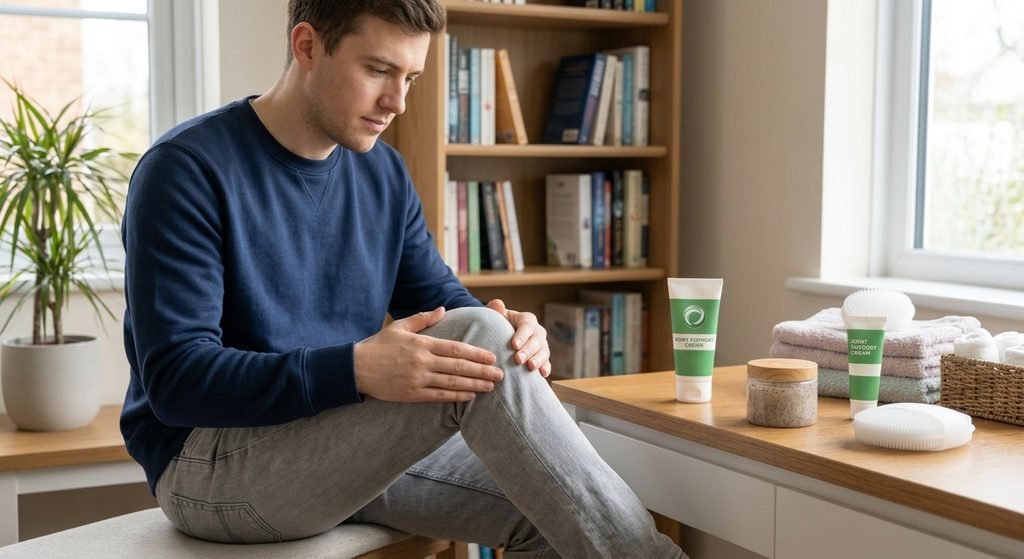
It is tempting to search a symptom online and immediately assume the worst, but the inner thigh is one of those areas where several very different conditions can look almost identical from the outside. A regular pimple, an ingrown hair, early folliculitis, and the first appearance of Hidradenitis Suppurativa can all start out looking like a small red bump. The pattern over time — whether it heals in a few days, whether it keeps coming back, whether it is isolated or clustered — tells you far more than the first 24 hours ever will. Giving it a short observation period before reaching for conclusions, while still practicing good hygiene and avoiding picking at it, is usually the smartest first move.
Final Thoughts
A red pimple on inner thigh skin is rarely something to panic about, but it is also not something to completely ignore, especially if it starts growing, spreading, or refusing to heal. Most cases trace back to friction, sweat, clogged pores, or minor follicle irritation, all of which respond well to simple hygiene changes and a bit of patience. The cases that need real attention are the ones involving deep pain, fever, spreading redness, or a pattern of recurring lumps in the same spot, since those point toward infections or chronic conditions that benefit from a professional diagnosis. Paying attention to how your skin behaves, dressing in breathable fabric, and resisting the urge to pop anything that looks angry will go a long way toward keeping this part of your body comfortable and bump-free.
For further reading on skin infections and hair follicle conditions, the Mayo Clinic’s guide on folliculitis and the Cleveland Clinic’s overview of folliculitis are both reliable, medically reviewed resources worth bookmarking.