

Weight maintenance is often the most overlooked but critically important phase of any health journey. While the majority of discussions around diet focus on weight loss, very few highlight what comes next—keeping the weight off. In the UK, where more than 60% of adults are classified as overweight or obese, maintaining a healthy weight isn’t just about aesthetics—it’s about long-term health, disease prevention, and overall well-being. Weight maintenance diets are structured eating plans designed not to shed weight, but to help you stay at your current, healthy weight. These diets shift the focus from aggressive calorie deficits to sustainable eating habits that provide enough energy to support your body’s needs without encouraging fat gain. Unlike restrictive weight-loss diets that are often short-lived and challenging to follow long-term, maintenance diets are built for sustainability, flexibility, and balance. They’re not just about what you eat—they involve lifestyle habits like regular movement, sleep hygiene, and mindful eating practices. If you’ve recently lost weight or are planning a healthier future, understanding how maintenance diets work—and how to personalise one—can make the difference between a long-term success story and a frustrating cycle of regain.
What Is a Weight Maintenance Diet? A Beginner’s Guide
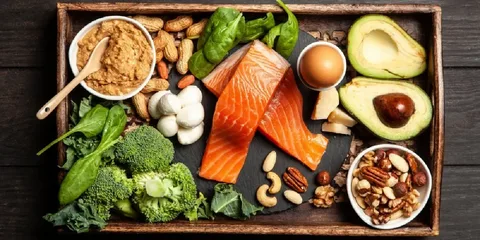
At its core, a weight maintenance diet is a way of eating that allows your body to maintain its current weight, rather than continuing to lose or gain. After weight loss, your body experiences metabolic adaptations—it burns fewer calories and ramps up hunger hormones to restore its original state. This is often referred to as “set point theory,” and it explains why maintaining weight loss can be more challenging than losing weight in the first place. A well-designed maintenance diet takes this into account by recalculating your daily calorie needs based on your new weight, activity level, and lifestyle habits. Instead of staying in a calorie deficit, you gradually increase your intake to match your total daily energy expenditure (TDEE). The goal is to strike a balance: eating enough to fuel your body and lifestyle while avoiding excess that leads to gradual weight gain. In addition to calories, maintenance diets emphasise nutrient quality. That means meals are based around whole foods—lean proteins, vegetables, fruits, healthy fats, and complex carbohydrates—while still allowing flexibility for treats and indulgences. Sustainability is key, which is why these diets often incorporate strategies like intuitive eating, flexible meal planning, and psychological techniques to prevent emotional or binge eating. The biggest advantage is that a maintenance diet doesn’t feel like a diet—it feels like a way of life.
Why Weight Maintenance Matters More Than You Thin
Losing weight is impressive—but keeping it off is where the real victory lies. According to the NHS, nearly 80% of people who lose a significant amount of weight regain it within a year. That’s not just discouraging—it’s disheartening.
Here’s why maintenance matters:
- Prevents chronic diseases like Type 2 diabetes and heart disease.
- Stabilises energy levels and improves mood.
- Improves metabolic health, reducing inflammation and insulin resistance.
- Builds confidence and reinforces positive lifestyle habits.
Weight maintenance is not just a diet phase—it’s a long-term health strategy.
How Weight Maintenance Diets Work
How Do Weight Maintenance Diets Keep You From Regaining Weight?
Once you’ve lost weight, your metabolism often slows down, and your appetite increases—a frustrating combination. Maintenance diets combat this by gradually increasing calorie intake and focusing on whole foods that keep you full longer.
Rather than reverting to old habits, maintenance diets:
- Control hunger hormones like ghrelin and leptin.
- Support muscle mass, which burns more calories.
- Reduce cravings through steady blood sugar control.
- Maintain food structure, such as regular meal timing.
This stability prevents binge-eating cycles and supports emotional and physical well-being.
The Science Behind Weight Maintenance: Calories, Metabolism & More
Your body burns calories in three main ways:
- Basal Metabolic Rate (BMR) – calories your body uses at rest.
- Physical Activity – from walking to workouts.
- Thermic Effect of Food (TEF) – calories burned digesting food.
Weight maintenance diets account for these variables by aligning your Total Daily Energy Expenditure (TDEE) with your calorie intake.
Example:
If your TDEE is 2,200 kcal/day, a weight maintenance plan might have you eating 2,100–2,300 kcal to remain stable.
Metabolic adaptations (like a lower BMR after weight loss) mean you may need fewer calories than before. That’s why tracking progress and adjusting your plan is essential.
What Happens in Your Body During a Maintenance Diet?
When you shift from a calorie deficit to maintenance:
- Metabolism stabilises – no more energy conservation mode.
- Hormones rebalance – cortisol drops, ghrelin reduces.
- Mental clarity improves – fewer mood swings from hunger.
- Body composition improves – you retain muscle while managing fat.
Think of maintenance mode as your body’s “reset” phase—it learns to function efficiently at your new weight.
Key Principles of a Successful Maintenance Diet
Balancing Calories In vs. Calories Out: The Core Rule
Weight stability boils down to one golden rule: Calories in = Calories out. This equation is foundational. But instead of obsessing over numbers, successful maintainers use a few tools:
- TDEE calculators
- Food tracking apps like MyFitnessPal or NutraCheck
- Weekly weighing (1–2 times)
- Clothes fit and energy levels as non-scale markers
It’s about understanding your body’s needs, not punishing it with restriction.
Macronutrient Distribution in Weight Maintenance Diets
Once calorie intake is set, macronutrient balance becomes vital.
Typical Macro Ratios for Maintenance:
| Macronutrient | Percentage of Total Calories |
| Protein | 20–30% |
| Carbohydrates | 40–50% |
| Fats | 20–30% |
Protein is especially important—it helps preserve muscle, keeps you fuller longer, and supports recovery.
Focus on whole foods like:
- Lean meats, fish, legumes (for protein)
- Whole grains, fruit, veg (for carbs)
- Nuts, seeds, olive oil (for healthy fats)
Is Portion Control Still Important in Maintenance Mode?
Absolutely. While you have more flexibility, portion creep is real.
Easy Ways to Control Portions:
- Use smaller plates
- Read food labels
- Measure snacks (don’t eat from the bag!)
- Stick to regular meal times
- Avoid eating while distracted
Even a daily surplus of 100–200 calories can lead to weight gain over time.
How to Use Intuitive Eating for Weight Maintenance
Intuitive eating involves listening to your body—not external rules.
Principles:
- Eat when you’re hungry
- Stop when you’re satisfied, not full
- Make peace with all foods (yes, even chocolate!)
- Tune into emotional vs. physical hunger
This approach fosters a healthy relationship with food and prevents binge cycles, which are common post-diet.
Common Types of Weight Maintenance Diet Plans
Top 5 Weight Maintenance Diets That Actually Work
Here are five diet frameworks popular in the UK that work well for long-term weight maintenance:
- Mediterranean Diet – high in vegetables, olive oil, and fish.
- DASH Diet – focuses on blood pressure-friendly, low-sodium foods.
- Flexible Dieting (IIFYM) – eat what you like, within macro limits.
- Plant-Based Diet – rich in fibre and nutrients, lower in calories.
- Zone Diet – balances macros at every meal (40% carbs, 30% protein, 30% fat).
Each can be tailored for maintenance by adjusting calorie intake and meal frequency.
Low-Carb vs. Balanced Diet: Which Works Better for Maintaining Weight?
Both can be effective—it depends on what you can stick to.
Low-Carb Diet Pros:
- Reduces hunger
- Improves insulin sensitivity
- May limit cravings
Balanced Diet Pros:
- More food variety
- Easier to sustain socially
- Less risk of nutrient deficiencies
Best advice: Choose the one you enjoy most. Adherence is more important than structure.
Can You Use Intermittent Fasting for Weight Maintenance?
Yes, and it’s increasingly popular in the UK.
Common IF Methods:
- 16:8 (16 hours fasting, 8 hours eating)
- 5:2 (eat normally 5 days, fast for 2)
Benefits include:
- Appetite control
- Simplified meal planning
- Improved insulin sensitivity
However, IF doesn’t suit everyone—especially those with a history of disordered eating.
Tips for Staying on Track Long-Term
Weight Maintenance vs. Weight Loss: How Your Approach Should Change
In weight loss mode:
- Focus is on deficit and discipline
In maintenance mode:
- Focus shifts to consistency and freedom
This means:
- More calories, but still mindful eating
- Fewer restrictions, but more awareness
- Regular movement, not excessive workouts
How to Transition From a Weight Loss Diet to Maintenance Mode
Gradually increase your calorie intake over 2–4 weeks by 100–150 calories/day.
Example Transition Plan:
| Week | Daily Calorie Increase |
| 1 | +100 kcal |
| 2 | +150 kcal |
| 3 | +200 kcal |
| 4 | Reach maintenance TDEE |
Use this time to reintroduce foods, monitor hunger levels, and adjust exercise as needed.
The Role of Physical Activity in Maintaining Weight
Exercise remains crucial—not just for weight, but overall health.
NHS Guidelines:
- 150 minutes of moderate activity/week OR
- 75 minutes of vigorous activity/week
Activities like brisk walking, cycling, or resistance training help:
- Burn calories
- Preserve muscle
- Improve mood and metabolism
Consistency matters more than intensity.
Smart Snacking Strategies That Don’t Derail Your Progress
Snacking can support weight maintenance—if done wisely.
Healthy Snack Ideas:
- Greek yoghurt with berries
- Apple slices with peanut butter
- Hummus with carrot sticks
- Handful of mixed nuts
- Hard-boiled eggs
Tips:
- Plan snacks ahead
- Include protein or fibre
- Avoid eating out of boredom
Real-Life Challenges and Solutions
Why People Regain Weight – And How to Avoid It
Top reasons for regain:
- “All-or-nothing” mindset
- Calorie creep
- Lack of routine
- Emotional eating
Solutions:
- Reframe success: it’s not about perfection
- Set flexible structure, not rigid rules
- Have a “damage control” plan for slip-ups
- Track habits, not just weight
How to Stay Motivated When You’re No Longer Losing Weight
Motivation often dips when visible results slow.
Try this:
- Set non-scale goals (fitness, sleep, confidence)
- Join communities (like Reddit’s r/Maintenance)
- Celebrate consistency, not perfection
- Reflect on how far you’ve come
What to Do When the Scale Creeps Up Again
Small fluctuations are normal. But if weight increases steadily, act fast.
What to Do:
- Log food for 3–5 days (spot hidden calories)
- Tighten portions or snack frequency
- Increase daily steps (aim for 8,000–10,000)
- Reduce weekend indulgences
It’s not about punishment—it’s about getting back on track with calm awareness.
FAQs
1. What is a weight maintenance diet?
A weight maintenance diet is a structured eating plan designed to help you maintain your current weight by balancing calorie intake with your body’s energy needs. It focuses on sustainable habits, nutrient-rich foods, and long-term health rather than ongoing weight loss.
2. How many calories should I eat to maintain my weight?
The number of calories needed to maintain weight varies by age, gender, activity level, and body size. On average, adult women need around 1,800–2,200 calories per day, and men need 2,200–2,800. Using a TDEE calculator can provide a personalised estimate.
3. Can I eat junk food on a maintenance diet?
Yes, in moderation. Weight maintenance diets offer flexibility, so occasional treats are fine if they fit within your overall calorie and nutrition goals. Prioritising whole, nutrient-dense foods helps keep you full and supports long-term health.
4. Is exercise still important during weight maintenance?
Absolutely. Regular physical activity helps balance your calorie intake, preserves lean muscle mass, and supports a healthy metabolism. Aim for at least 150 minutes of moderate exercise per week, as recommended by the NHS.
5. How do I prevent weight regain after reaching my goal?
To avoid regaining weight, gradually increase your calorie intake to maintenance level, stay consistent with healthy habits, monitor your progress, and adjust as needed. Focus on lifestyle changes rather than short-term fixes.