


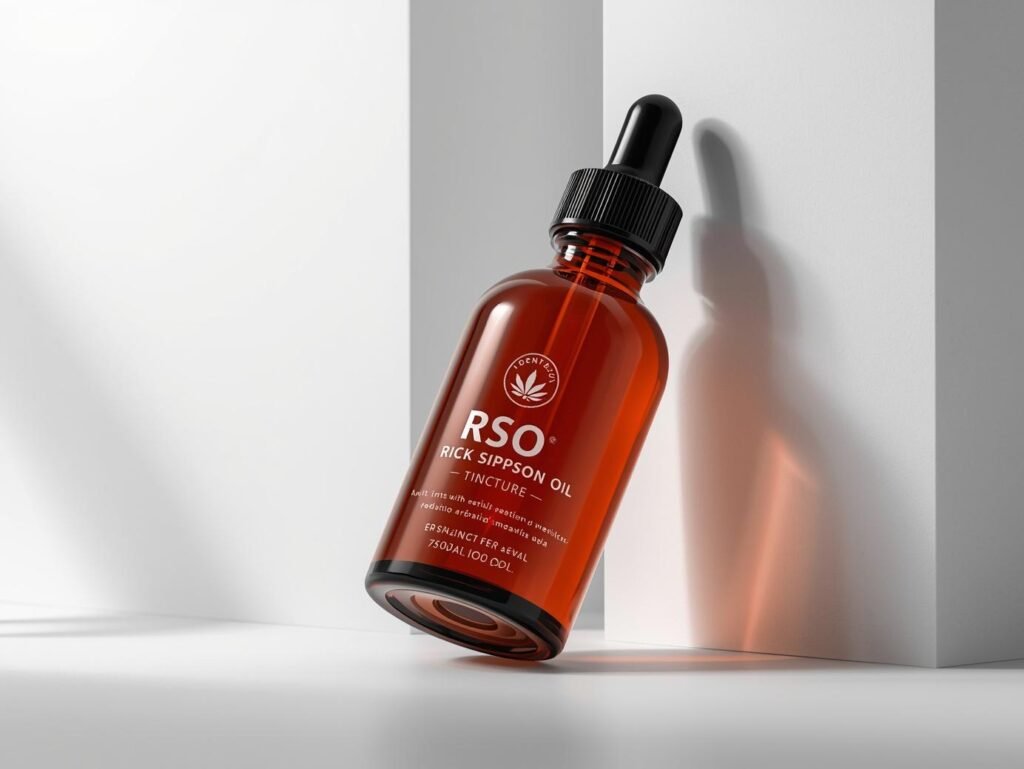
What Is RSO Oil? The Oil That Started a Revolution
Have you ever wondered why some cannabis extracts cost a fraction of what others do — yet people swear they’re among the most powerful wellness tools ever discovered? RSO oil is exactly that kind of product: raw, potent, and polarizing.
RSO full form stands for Rick Simpson Oil — named after Canadian cannabis activist Rick Simpson, who developed this concentrated cannabis extract in the early 2000s. At its core, RSO is a highly concentrated, whole-plant cannabis oil made by extracting the entire cannabis plant using a solvent such as naphtha or isopropyl alcohol.
Unlike typical CBD oils that isolate specific cannabinoids, RSO is a full-spectrum extract — it retains all cannabinoids, terpenes, flavonoids, and phytochemicals naturally occurring in cannabis, producing what researchers call the “entourage effect.”
What does RSO look like?
RSO oil is thick, dark brown or black, tar-like in consistency, and typically dispensed via a syringe for precise dosing. The smell is earthy and strong; the taste intensely bitter and herbal. It is significantly more potent than standard CBD oil.
Who Is Rick Simpson?
Rick Simpson is a Canadian engineer and cannabis activist who claims to have developed RSO after being diagnosed with basal cell carcinoma in 2003. After reportedly applying a self-made cannabis concentrate to the cancerous spots on his skin, Simpson claims the cancer disappeared within days — igniting worldwide interest in full-spectrum cannabis extracts.
⚠️ Important Medical Disclaimer
Simpson’s cancer claims have not been verified by peer-reviewed clinical trials. RSO is not a regulated medical treatment in most countries. Always consult a qualified healthcare provider before starting any new health regimen.
How Does RSO Work?
Understanding how RSO works requires a quick look at your body’s endocannabinoid system (ECS) — a complex cell-signaling network that regulates mood, pain, appetite, sleep, memory, and immune function.
RSO introduces external cannabinoids — primarily THC and CBD — into this system. THC binds strongly to CB1 receptors in the brain, influencing pain, mood, and sleep. CBD interacts more subtly, modulating THC’s effects while contributing its own anti-inflammatory and anxiolytic properties.
Because RSO is full-spectrum, it also contains terpenes and minor cannabinoids like CBG and CBN — compounds that research suggests work better together than in isolation, amplifying therapeutic effects through the entourage effect.
RSO Oil Benefits: What Can It Do for You?
The RSO oil benefits below are based on cannabis research and widely reported user experiences. Clinical evidence specific to RSO is still emerging, but a growing body of research supports the therapeutic potential of its cannabinoids.
| Benefit | Evidence Level | Best For |
|---|---|---|
| Pain Relief | Moderate–Strong | Chronic pain, neuropathy, arthritis |
| Sleep | Moderate (clinical) | Insomnia, PTSD, pain-related sleep issues |
| Anxiety | Moderate (dose-dependent) | Low-dose use; consult doctor for RSO |
| Anti-Inflammation | Strong (preclinical) | Arthritis, IBD, autoimmune conditions |
| Anti-Nausea | Strong (clinical) | Chemotherapy-related nausea |
| Appetite Stimulation | Strong (clinical) | Cancer patients, eating disorders |
| Anticancer | Weak (preclinical only) | Complementary palliative care only |
RSO Oil Uses: How to Use RSO Oil Effectively
Because RSO is highly potent, incorrect use can lead to uncomfortable experiences. Here are the primary RSO oil consumption methods:
- Oral Ingestion (Most Common): Placed under the tongue (sublingual) for faster absorption — effects in 15–45 mins — or swallowed directly with effects in 1–2 hours. Many add RSO to food or capsules to mask the bitter taste.
- Topical Application: Applied directly to skin for localized pain or skin conditions. No psychoactive effects since THC doesn’t penetrate deeply enough to reach the bloodstream.
- Suppositories: Used by patients who cannot ingest RSO orally (e.g., post-surgery). Offers efficient absorption, often without significant psychoactive effects.
- Inhalation (Not Recommended): While technically vaporizable, RSO is designed for oral/topical use. Inhaling concentrated extracts may expose the lungs to solvent residues or combustion byproducts.
RSO Dosage for Beginners: Start Low, Go Slow
Dosage is the most critical topic in any RSO oil guide. Because RSO is concentrated with THC, improper dosing can cause significant discomfort. The following is Rick Simpson’s own 90-day protocol — medical supervision is strongly advised.
| Period | Daily Dose | Frequency | Notes |
|---|---|---|---|
| Week 1 | ~0.025g (rice grain) | 3× per day | Start very small; monitor tolerance |
| Weeks 2–5 | Double every 4 days | 3× per day | Gradual increase; expect drowsiness |
| Weeks 5–12 | ~1g per day total | 3× per day | Maintenance phase; consult doctor |
* The above is informational only. Always consult a qualified medical professional for personalized dosage guidance.
⚠️ RSO Dosage for Beginners — Key Rule
Never exceed a rice grain-sized dose in your first week. The high THC content in RSO makes overconsumption easy and unpleasant. Increase gradually only after your body has adjusted.
Is RSO Oil Safe? A Complete RSO Safety Guide
RSO can be safe when used responsibly, but it carries real risks due to its very high THC content. Understanding RSO safety is non-negotiable before you begin.
RSO Oil Side Effects
- Drowsiness and extreme sedation (especially during dose-escalation)
- Dizziness and disorientation
- Short-term memory impairment
- Increased heart rate (tachycardia)
- Dry mouth and red eyes
- Anxiety or paranoia (at higher doses or in THC-sensitive individuals)
- Lowered blood pressure
- Impaired motor coordination — do not drive or operate machinery
RSO Oil Risks and Warnings
- THC Dependence: Prolonged high-dose use can lead to dependence and withdrawal symptoms.
- Mental Health: May worsen symptoms in individuals with psychosis, schizophrenia, or bipolar disorder.
- Drug Interactions: RSO can interact with medications metabolized by the liver’s cytochrome P450 system.
- Pregnancy & Breastfeeding: Never use during pregnancy or while breastfeeding — risk to infant development.
- Solvent Residues: Poorly manufactured RSO may contain extraction solvent traces — always buy lab-tested.
🚨 RSO Overdose Effects (“Greening Out”)
While you cannot fatally overdose on cannabis, consuming too much RSO can cause extreme anxiety, paranoia, vomiting, and temporary incapacitation. If this occurs: stay calm, hydrate, rest in a safe space, and seek medical help if symptoms are severe.
Who Should Avoid RSO?
- Individuals with a history of psychosis, schizophrenia, or bipolar disorder
- Pregnant or breastfeeding women
- Those on blood thinners or hepatically-metabolized medications
- Minors (under 21, or as legally defined in your jurisdiction)
- People with severe cardiovascular disease
- Individuals with cannabis allergies or hypersensitivity
RSO vs CBD Oil vs THC Oil: What’s the Difference?
A common point of confusion for beginners is the difference between RSO and other cannabis-derived oils. Here’s a clear side-by-side breakdown:
- Cannabinoids THC + CBD + Full Spectrum
- Psychoactive? Yes (high THC)
- Consistency Thick, tar-like, dark
- Potency Very High
- Legal Status Controlled (most countries)
- Entourage Effect Yes — full
- Cannabinoids CBD dominant, low THC
- Psychoactive? No
- Consistency Thin, golden or clear
- Potency Low to Moderate
- Legal Status Legal in many countries
- Entourage Effect Partial (broad spectrum)
- Cannabinoids High THC isolate
- Psychoactive? Yes (very high THC)
- Consistency Varies (wax, oil, etc.)
- Potency High to Very High
- Legal Status Controlled (most countries)
- Entourage Effect Minimal (isolate)
Is RSO Legal? Understanding the Landscape
Because RSO contains high levels of THC, it is classified as a controlled substance in most parts of the world. Here’s an overview by region:
| Country / Region | Legal Status |
|---|---|
| United States | Legal in states with recreational/medical cannabis programs; federally Schedule I |
| Canada | Legal under the Cannabis Act for adults |
| United Kingdom | Illegal without specific medical prescription; Class B drug |
| European Union | Varies by country; generally legal only as prescription medicine |
| Australia | Legal for medical use with TGA prescription |
Always verify your local laws before purchasing or using RSO oil. Purchasing from licensed, lab-tested dispensaries is the safest approach wherever RSO is legally accessible.
How to Buy RSO Oil Safely
- Third-Party Lab Testing: Always choose RSO with a Certificate of Analysis (COA) from an independent laboratory — verifying cannabinoid content and absence of solvents, pesticides, and heavy metals.
- Licensed Dispensaries: Purchase only from state or country-licensed medical cannabis providers.
- Clear Labeling: Reputable products list THC/CBD percentages, serving size, and recommended dosage clearly.
- Reputable Brands: Look for brands with transparent sourcing, established reputations, and verified user reviews.
- Medical Consultation: A cannabis-knowledgeable doctor can provide personalized dosage and safety guidance for your specific situation.
Is RSO Oil Right for You?
RSO oil is one of the most potent and debated cannabis products on the market. Whether you’re exploring it for chronic pain, sleep support, or as part of a broader wellness strategy, RSO oil can offer real, meaningful benefits — but only when used thoughtfully, responsibly, and with proper medical guidance.
If you’re considering RSO oil for a specific health condition, the single most important step is to speak with a healthcare provider knowledgeable about medical cannabis. Done right, RSO may be a powerful addition to your wellness toolkit.
Medical Disclaimer
This article is for informational and educational purposes only. It is not intended to be a substitute for professional medical advice, diagnosis, or treatment. Always seek the advice of your physician or other qualified health provider with any questions about a medical condition.
Frequently Asked Questions About RSO Oil
What is RSO oil used for?
RSO is most commonly used for chronic pain relief, improving sleep, managing anxiety, reducing inflammation, alleviating chemotherapy-induced nausea, and stimulating appetite. Some explore RSO as a complementary approach for serious illnesses, though it should never replace conventional medical treatment.
Is RSO oil safe for beginners?
RSO can be used by beginners, but extreme caution is required due to its very high THC content. Start with a tiny, rice grain-sized dose (~0.025g), space doses apart, and avoid driving. Medical supervision is strongly recommended — especially for those with underlying health conditions.
How long does it take for RSO to work?
Sublingual application produces effects within 15–45 minutes. When swallowed, onset takes 1–2 hours as RSO passes through the digestive system. Topical application provides localized effects without psychoactive impact.
What is the difference between RSO and CBD oil?
RSO is a full-spectrum cannabis extract with high THC content — it is psychoactive and controlled in most countries. CBD oil is predominantly cannabidiol with minimal THC, non-psychoactive, and legally available in many countries. RSO is significantly more potent than standard CBD oil.
Can RSO oil cure cancer?
No credible clinical evidence supports the claim that RSO cures cancer. While early-stage lab and animal studies show cannabinoids can kill certain cancer cells in vitro, these results have not been replicated in human clinical trials. RSO may serve a valuable supportive role in cancer care (for pain, nausea, appetite), but should never be used as a standalone cancer treatment.
- Is Dental Fluoride Treatment Suitable for Children? Effective and Safe
- How Do I Go About Suing a Dental Office for Malpractice? Successfully
- Vagus Nerve Stimulators at Home: What They Can (and Can’t) Do for Stress
- What Is the Axis on Prescription Glasses? A Clear and Helpful Guide to Your Eye Prescription
- Black Spots on Foot: Possible Causes, Serious Warning Signs, and When to Worry