

How Can You Remove Pimples? Waking up to a fresh pimple right before an important day is one of those small frustrations almost everyone knows too well. Whether it is a single stubborn spot or a recurring breakout pattern, figuring out how to remove pimples effectively can feel confusing with so much conflicting advice floating around. The truth is that clearer skin is achievable for almost everyone once you understand what causes pimples and which treatments actually work. This guide breaks down the science, the remedies, and the daily habits that make a real difference, so you can approach your skin with a plan instead of guesswork.
What Actually Causes a Pimple to Form
Before jumping into how to get rid of pimples, it helps to understand what is happening underneath your skin. Pimples form when hair follicles become clogged with excess oil, called sebum, along with dead skin cells and sometimes bacteria. Your skin naturally sheds cells and produces oil to stay moisturized, but when that oil production goes into overdrive or dead cells do not shed properly, pores get blocked.
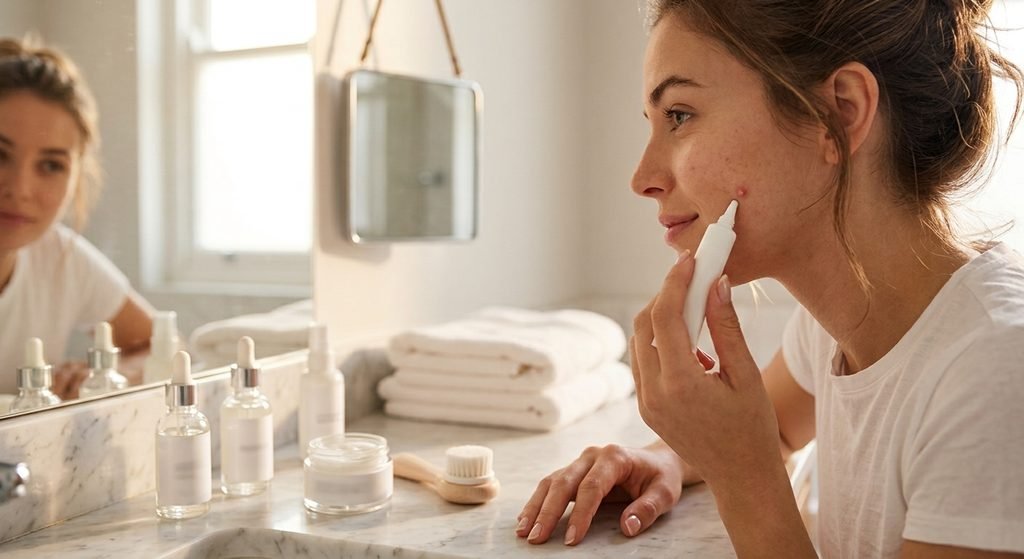
Once a pore is clogged, a type of bacteria called Cutibacterium acnes, which normally lives harmlessly on your skin, can multiply inside the blockage. This triggers inflammation, and that is when you start seeing redness, swelling, and the raised bump most people recognize as a pimple. Hormonal shifts, particularly during puberty, menstrual cycles, or periods of stress, tend to increase oil production and are a major reason breakouts happen at certain times more than others.
The Different Types of Pimples You Might Be Dealing With
Not all pimples are the same, and knowing which type you are dealing with matters a lot when choosing a treatment. Blackheads and whiteheads are considered the mildest forms, caused by clogged pores that either stay open to the air and oxidize, turning black, or stay closed beneath the skin, appearing as small white bumps. Papules and pustules come next, showing up as small, inflamed red bumps, with pustules containing visible pus at the center.
Then there are the deeper, more painful types: nodules and cysts. These form well beneath the skin’s surface and often feel like hard, tender lumps rather than surface-level bumps. They tend to take longer to heal and carry a higher risk of leaving scars behind. Recognizing which category your pimple falls into helps you decide whether an over-the-counter product will do the job or whether it is time to consult a dermatologist.
Proven Ingredients That Help Remove Pimples
When people ask how to get rid of pimples fast, dermatologists almost always point back to a small handful of ingredients with real, research-backed results. Benzoyl peroxide for pimples is one of the most widely recommended options because it kills the acne-causing bacteria beneath the skin while also helping clear excess oil. It is available in various strengths, from gentle two and a half percent formulas to stronger ten percent versions, and works well on inflamed, red pimples in particular.
Salicylic acid acne treatment works a bit differently. This ingredient is oil-soluble, which means it can penetrate directly into the pore and dissolve the buildup of dead skin cells and oil causing the blockage. It is especially effective for blackheads and whiteheads, and it also has a mild exfoliating effect that keeps pores from clogging again in the future.
Retinoids, which are vitamin A derivatives, are another dermatologist favorite. They speed up cell turnover, prevent new clogs from forming, and can even help fade the dark marks that pimples sometimes leave behind. Adapalene, a type of retinoid, is now available without a prescription in many countries, making it more accessible than it used to be.
Common Acne-Fighting Ingredients Compared
| Ingredient | Best For | How It Works |
|---|---|---|
| Benzoyl peroxide | Inflamed, red pimples | Kills acne-causing bacteria, reduces oil |
| Salicylic acid | Blackheads and whiteheads | Exfoliates and unclogs pores from within |
| Retinoids/Adapalene | Preventing new breakouts, dark spots | Speeds cell turnover, unclogs pores |
| Tea tree oil | Mild breakouts, natural preference | Has natural antibacterial properties |
| Niacinamide | Redness and oily skin | Calms inflammation, regulates oil production |
Natural Remedies for Pimples Worth Trying
Not everyone wants to reach straight for a medicated product, and there are natural remedies for pimples that have earned a genuine reputation for helping mild breakouts. Tea tree oil for acne is probably the most researched natural option out there. It contains compounds with antibacterial and anti-inflammatory properties, and diluted tea tree oil applied directly to a pimple can help reduce redness and swelling within a day or two for some people.
Honey, particularly raw or manuka honey, has natural antibacterial qualities and can be applied as a short spot treatment or face mask. Aloe vera is another gentle option, known for soothing irritated skin and reducing inflammation without clogging pores. Green tea, whether applied topically after cooling or consumed regularly, contains antioxidants that may help calm breakout-prone skin from the inside out.
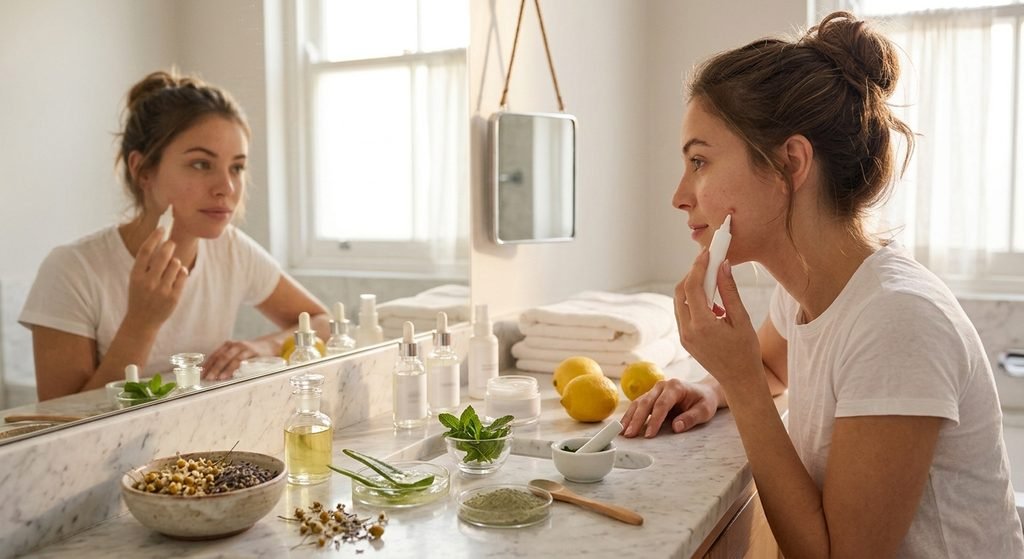
It is worth being realistic here, though. Natural remedies tend to work more gradually and are generally better suited to mild pimples rather than deep, cystic breakouts. They also are not risk-free, since ingredients like tea tree oil can irritate sensitive skin if used undiluted, so a patch test is always a smart first step.
Getting Rid of a Pimple Overnight
Everyone has been there, a big pimple shows up the night before something important, and you want it gone fast. While completely erasing a pimple overnight is not realistic for every type, there are a few tricks that can noticeably reduce its size and redness by morning. Applying a thin layer of benzoyl peroxide spot treatment before bed is one of the most effective options, since it directly targets the bacteria and inflammation driving the pimple.
Ice can also help. Wrapping an ice cube in a clean cloth and holding it against the pimple for a few minutes reduces swelling and calms redness almost immediately, though the effect is temporary. Some people find success with a diluted tea tree oil dab left on overnight, since its anti-inflammatory action can visibly shrink a pimple’s puffiness by the next day. What will not work, no matter how tempting, is trying to pop or squeeze the pimple, since that usually makes things worse and increases the odds of leaving a scar.
Pimples Treatment at Home Using Simple Habits
Beyond specific products, a solid pimple treatment at home routine relies on consistency more than anything else. Washing your face gently twice a day with a mild, non-abrasive cleanser removes excess oil and buildup without stripping your skin, which can actually trigger more oil production if overdone. Applying products with your fingertips rather than scrubbing with a washcloth or sponge protects your skin barrier and prevents unnecessary irritation.
Moisturizing might sound counterintuitive if you already have oily, acne-prone skin, but skipping it often backfires. A lightweight, oil-free moisturizer keeps your skin balanced and can actually reduce breakouts triggered by dryness and irritation from treatment products. Changing pillowcases regularly, avoiding touching your face throughout the day, and cleaning phone screens that touch your cheek are small habits that quietly reduce the bacteria and oil transferred to your skin.
Choosing the Best Skincare for Acne-Prone Skin
Building the best skincare for acne-prone skin does not require an elaborate ten-step routine. A simple, consistent lineup usually outperforms a complicated one. Start with a gentle cleanser that removes dirt and oil without leaving your skin feeling tight or stripped. Follow with a treatment product containing either salicylic acid, benzoyl peroxide, or a retinoid, depending on the type of breakouts you experience most.
Sunscreen deserves special mention here, since many acne treatments make skin more sensitive to sun exposure, and unprotected sun damage can worsen the dark spots left behind by healed pimples. Look for oil-free, non-comedogenic sunscreen formulas that will not clog pores. Finally, resist the urge to layer too many active ingredients at once, since combining several strong treatments can overwhelm your skin barrier and lead to more irritation rather than clearer skin.
Advantages and Disadvantages of Popular Treatment Approaches
| Treatment Approach | Advantages | Disadvantages |
|---|---|---|
| Over-the-counter products | Accessible, affordable, easy to start | May take weeks to show results, can irritate sensitive skin |
| Natural remedies | Gentle, fewer chemicals, widely available | Slower results, less effective on severe acne |
| Prescription medication | Stronger, faster results for severe cases | Requires a doctor’s visit, possible side effects |
| Professional treatments (peels, lasers) | Targets stubborn or scarring acne | Higher cost, may need multiple sessions |
Pimples Prevention Tips for the Long Run
Treating existing pimples is only half the picture. Solid pimples prevention tips help you avoid repeating the same cycle month after month. Keeping your skin clean without over-washing, since excessive washing can strip natural oils and trigger a rebound in oil production, is one of the simplest starting points. Being mindful of hair products, heavy makeup, and skincare items that clog pores also plays a big role, so look for labels marked non-comedogenic whenever possible.
Diet is another factor worth paying attention to. While food does not single-handedly cause acne, some research suggests that high-glycemic foods and dairy may worsen breakouts in certain people, so paying attention to your own patterns can be useful. Managing stress through sleep, exercise, or relaxation techniques also matters, since stress hormones can trigger the oil glands to become more active. Finally, changing pillowcases weekly, cleaning makeup brushes regularly, and avoiding touching your face throughout the day round out a solid prevention routine that keeps breakouts from becoming a constant battle.
Common Mistakes That Make Pimples Worse
Even with the right products, certain habits can quietly undo your progress. Over-washing your face is one of the most common mistakes people make when trying to remove pimples quickly. It feels productive in the moment, but scrubbing too often or too hard strips away your skin’s protective oils, which often causes your skin to overcompensate by producing even more oil, leading to more breakouts rather than fewer.
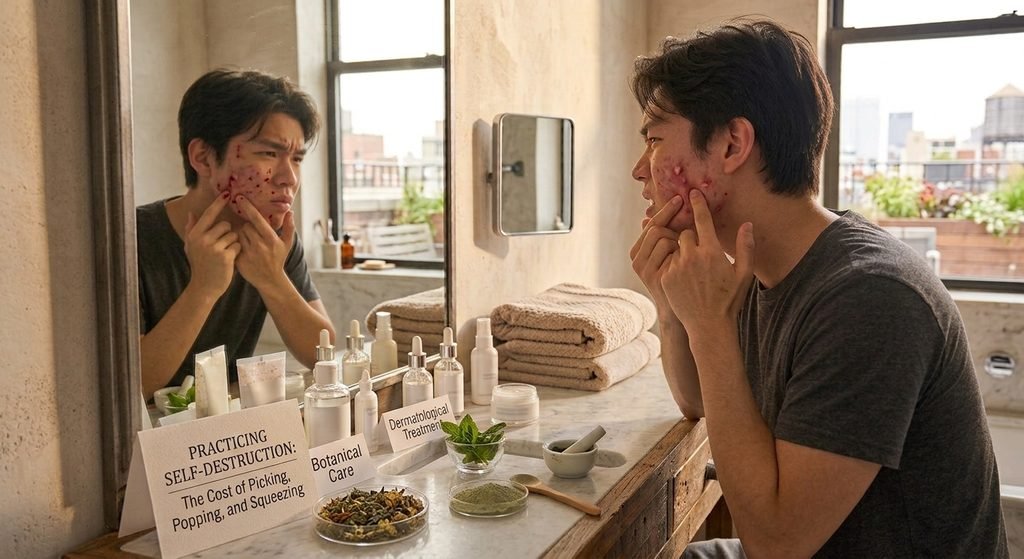
Picking, popping, or squeezing pimples is another habit that almost always backfires. It might offer a brief sense of control, but it pushes bacteria and inflammation deeper into the skin, increasing the risk of scarring and dark spots that can take far longer to fade than the original pimple ever would have. Switching products too frequently is a related issue. Many effective treatments, including salicylic acid and retinoids, take four to six weeks of consistent use before real improvement shows up, so jumping to a new product every few days rarely gives anything a fair chance to work.
Using too many active ingredients at once is another frequent misstep. Combining benzoyl peroxide, retinoids, and strong exfoliants in the same routine can overwhelm the skin barrier, leading to redness, peeling, and irritation that looks a lot like a fresh breakout. Finally, skipping sunscreen while using acne treatments is a mistake with long-term consequences, since many of these treatments increase sun sensitivity, and unprotected exposure can deepen the very dark marks you are trying to get rid of.
When to See a Dermatologist
Home care and over-the-counter treatments work well for many people, but there are moments when professional help makes a real difference. If your pimples are deep, painful, and leaving scars, or if you have tried consistent treatment for several weeks without any improvement, it is a good sign to consult a board-certified dermatologist. They can offer prescription-strength retinoids, oral medications, or in-office treatments like chemical peels and light therapy that go beyond what store shelves can offer.
A dermatologist can also help identify whether your breakouts are linked to an underlying hormonal issue, which sometimes needs a different treatment approach altogether. Acne that suddenly worsens, spreads to new areas, or comes with unusual symptoms is also worth getting checked out rather than treating on your own.
Final Thoughts on Clearer Skin
Removing pimples is rarely about finding one miracle product. It comes down to understanding your skin type, choosing ingredients that are actually proven to work, and sticking with a routine long enough to see results. Whether you lean toward benzoyl peroxide, salicylic acid, or gentler natural remedies like tea tree oil, patience and consistency matter more than trying every new product on the market. Clear skin is a realistic goal for most people, and with the right combination of daily habits and effective treatment, those frustrating breakouts can become far less frequent.
For more detailed, medically reviewed guidance, you can visit the American Academy of Dermatology’s acne treatment resource or explore the Mayo Clinic’s page on acne diagnosis and treatment for additional expert insight.
This article is for general informational purposes only and is not a substitute for professional medical advice, diagnosis, or treatment. Always consult a qualified healthcare provider or dermatologist regarding any skin condition.