


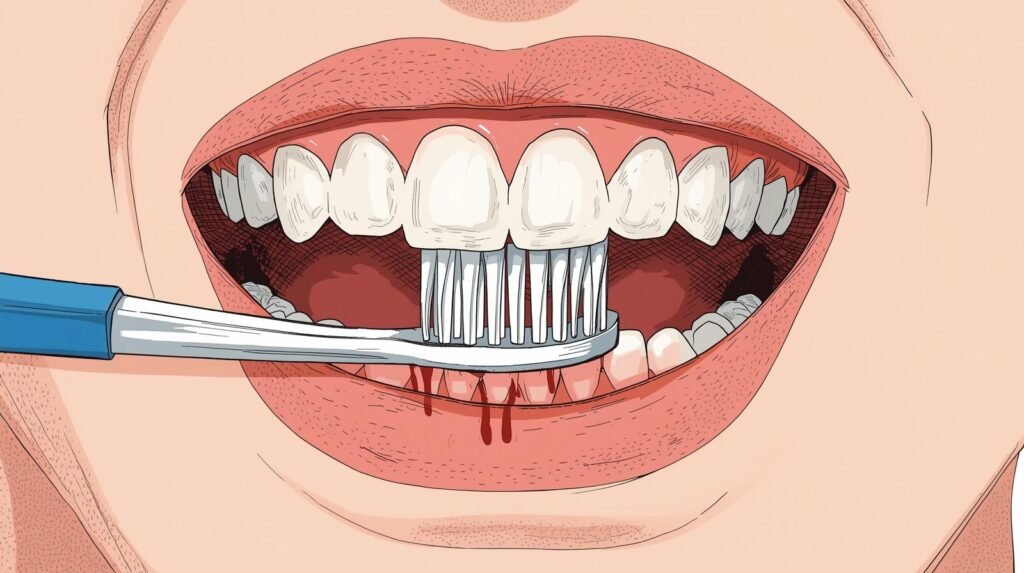
You lean over the sink, rinse, and spit — and there it is again: a faint pink swirl of blood. It happens almost every morning, and you’ve been quietly wondering whether it’s normal or a sign that something’s seriously wrong.
“Bleeding gums are never something you should ignore — but they are almost always something you can fix.”
“Bleeding gums are never something you should ignore — but they are almost always something you can fix.”
If you’ve been asking yourself “why do my gums bleed when brushing my teeth?”, you’re not alone. Bleeding gums are one of the most commonly reported oral health complaints worldwide — and they’re frequently misunderstood. In this guide, we’ll break down every major cause of gum bleeding, how to tell the difference between something minor and something serious, and exactly what you can do about it today.
- The most common reasons gums bleed during brushing
- Medical conditions and nutrient deficiencies that cause gum bleeding
- How to stop bleeding gums when brushing — at home and at the dentist
- The best toothbrush, toothpaste, and daily habits to prevent it
- When bleeding gums are a red flag you shouldn’t ignore
Is It Normal for Gums to Bleed When Brushing?
The short answer: no, it isn’t truly “normal” — but it is incredibly common. Healthy gums shouldn’t bleed during gentle, regular brushing. However, occasional bleeding — say, after you’ve gone a few days without flossing — is generally not cause for alarm. The problem starts when your gums bleed every time you brush, or when they bleed with only the lightest touch.
According to the CDC, nearly half of American adults over 30 have some form of periodontal (gum) disease — the leading cause of gum bleeding. That’s a staggering figure, and it highlights why understanding the gum bleeding reasons behind this symptom matters so much for your long-term oral health.
Top Causes of Bleeding Gums When Brushing
Before you can fix bleeding gums, you need to identify what’s driving them. Here are the most well-documented bleeding gums causes, from the most common to those often overlooked.
1. Gingivitis — The #1 Culprit
Gingivitis is the earliest, mildest stage of gum disease and the single most common reason gums bleed when brushing. It occurs when plaque — a sticky film of bacteria — builds up along the gumline and triggers inflammation. Gingivitis symptoms include red, swollen gums that bleed easily, persistent bad breath, and tenderness when touched.
The good news: gingivitis is entirely reversible with improved oral hygiene. But if left untreated, it can progress to periodontitis — a far more serious infection that damages the bone and tissue supporting your teeth.
Also Read: How Sugar and Soda Harm Your Teeth
2. Brushing Too Hard or Using the Wrong Toothbrush
Many people believe scrubbing harder means cleaner teeth. In reality, brushing too hard causes bleeding gums by physically traumatizing the delicate gum tissue. Medium or hard-bristle toothbrushes are repeat offenders here. Dentists universally recommend soft-bristle brushes and a gentle, circular motion rather than aggressive back-and-forth scrubbing.
3. Sudden Return to Brushing or Flossing After a Break
Ever wondered why your gums bleed after not brushing for a while? When plaque accumulates unchallenged, the gums become inflamed and hyper-reactive. Reintroducing regular brushing or flossing can then irritate them temporarily. This is typically self-limiting — it should resolve within one to two weeks of consistent oral hygiene.
4. Vitamin Deficiencies
Vitamin deficiency and bleeding gums have a well-documented connection. Two vitamins are especially critical:
- Vitamin C deficiency — In its extreme form, this causes scurvy, a disease historically associated with sailors. Even mild deficiency weakens the connective tissue holding your gums in place, making them prone to bleeding.
- Vitamin K deficiency — Vitamin K is essential for proper blood clotting. Without adequate levels, even minor gum irritation can result in prolonged bleeding.
5. Hormonal Changes
Pregnancy, puberty, menopause, and menstrual cycles all alter hormone levels in ways that increase gum sensitivity. “Pregnancy gingivitis” is so common it has its own clinical name — affecting up to 70% of pregnant women. Hormonal fluctuations make the gums hyperreactive to plaque and more likely to bleed.
6. Certain Medications
Blood thinners like warfarin and aspirin reduce the blood’s ability to clot, making gum bleeding more likely and prolonged. Some blood pressure medications and antidepressants cause dry mouth, which allows bacteria to flourish and inflame the gums. Always inform your dentist about any medications you take.
7. Stress
Can stress cause bleeding gums? Yes — and the mechanism is more direct than you might think. Chronic stress elevates cortisol, which suppresses the immune system and impairs the body’s ability to fight off the bacteria responsible for gum disease. Stress also often leads to teeth grinding (bruxism), poor diet, and neglected oral hygiene — all of which compound gum problems.
8. Diabetes
People with poorly controlled diabetes are significantly more susceptible to infections, including gum disease. High blood sugar creates an environment where harmful oral bacteria thrive, and it impairs healing — meaning gum tissue damaged by inflammation takes longer to recover.
| Cause | How Common? | Reversible? | Action Needed |
|---|---|---|---|
| Gingivitis | Very common | Yes | Improved oral hygiene |
| Brushing too hard | Very common | Yes | Switch to soft-bristle brush |
| Plaque after a break | Common | Yes | Resume consistent brushing |
| Vitamin C/K deficiency | Moderate | Yes | Dietary adjustment or supplements |
| Hormonal changes | Common in women | Often yes | Dental checkup, good hygiene |
| Blood-thinning medications | Moderate | Managed, not cured | Inform dentist; professional cleaning |
| Stress | Moderate | Yes | Stress management + oral hygiene |
| Periodontitis | Moderate–high in adults 40+ | Manageable | Professional dental treatment required |
| Diabetes | Moderate | Manageable | Blood sugar control + dental care |
Why Do My Gums Bleed Every Time I Brush? Understanding the Pattern
The pattern of your bleeding can offer important diagnostic clues:
How to Stop Bleeding Gums When Brushing: A Complete Action Plan
Here’s your evidence-based daily routine to prevent bleeding gums and promote long-term gum health — whether you’re dealing with a mild issue or something more persistent.
Step-by-Step: Your Daily Oral Hygiene Overhaul
- Switch to a soft-bristle toothbrush. Medium and hard bristles are too aggressive for gum tissue. Both manual soft-bristle and oscillating electric brushes (like Oral-B or Philips Sonicare) are excellent choices when used correctly — the best toothbrush for bleeding gums is always a soft one.
- Master your brushing technique. Hold your brush at a 45-degree angle to the gumline. Use small, gentle circular motions for 2 minutes — no scrubbing. Don’t press hard; let the bristles do the work. Brush twice daily without skipping.
- Floss daily — consistently. Skipping flossing means plaque between teeth goes unchallenged. Floss once daily, ideally before bed. If flossing is uncomfortable, water flossers (like Waterpik) are an excellent, gentler alternative that’s clinically proven to reduce gum bleeding.
- Use the right toothpaste. The best toothpaste for bleeding gums contains stannous fluoride (found in brands like Sensodyne Rapid Relief or Crest Pro-Health), which has antimicrobial properties that target plaque bacteria. Look for formulations specifically labeled for gum health.
- Add an antibacterial mouthwash. Chlorhexidine-based mouthwash (available by prescription) is the gold standard for gingivitis treatment. Over-the-counter options containing cetylpyridinium chloride (CPC) also help. Use once daily after brushing.
- Rinse with warm salt water. A classic salt water rinse for bleeding gums — ½ teaspoon of table salt dissolved in 8 oz of warm water — creates an inhospitable environment for bacteria, reduces inflammation, and promotes healing. Rinse for 30 seconds, two to three times daily.
Natural Remedies for Bleeding Gums That Actually Work
Beyond the basics, several evidence-supported home interventions can accelerate gum healing and stop gum bleeding permanently when combined with good daily hygiene:
Oil Pulling
Swishing 1 tablespoon of coconut or sesame oil in your mouth for 10–15 minutes (before brushing) has been shown in small studies to reduce plaque, gingivitis, and gum bleeding. It works partly by “pulling” bacteria off gum tissue and partly through the antimicrobial properties of lauric acid in coconut oil. This is one of the most popular natural remedies for bleeding gums.
Turmeric Paste
Curcumin, the active compound in turmeric, has well-documented anti-inflammatory and antimicrobial properties. Applying a paste of turmeric powder and water to the gums for 5 minutes before rinsing has shown promise in clinical studies for reducing gingivitis symptoms.
Foods That Help Bleeding Gums
Your diet matters more than most people realize. Foods that help bleeding gums include:
- Citrus fruits and bell peppers — rich in Vitamin C, which strengthens gum connective tissue
- Leafy greens (spinach, kale) — excellent sources of Vitamin K and folate, both crucial for gum health
- Dairy products (cheese, yogurt) — calcium and phosphates help remineralize teeth and reduce oral acidity
- Green tea — contains catechins, potent antioxidants shown to reduce gum inflammation
- Crunchy vegetables (carrots, celery) — naturally “scrub” tooth surfaces and stimulate saliva flow
When Home Remedies Aren’t Enough: Professional Bleeding Gums Treatment
If your bleeding gums treatment at home hasn’t produced improvement within 2–3 weeks, or if you notice any of the following signs, it’s time for a professional dental evaluation:
- Gums that bleed spontaneously, without any brushing
- Gum tissue that appears to be pulling away from the teeth (recession)
- Persistent bad breath that doesn’t improve with brushing
- Loose or shifting teeth
- Pus visible between the teeth and gums
- Pain when chewing
These may be signs of periodontitis — advanced gum disease that requires professional intervention.
What Your Dentist Can Do
Professional dental cleaning (prophylaxis) removes hardened plaque deposits (tartar/calculus) that no toothbrush can touch. For more advanced cases, scaling and root planing — a deep cleaning performed below the gumline — is the frontline treatment for periodontitis. Your dentist may also prescribe antimicrobial gels, prescription-strength mouthwash, or antibiotics if there’s significant infection.
How to Strengthen Gums Naturally: Long-Term Prevention
Once you’ve addressed the immediate bleeding, the goal shifts to building gum resilience for the long term. Here’s how to keep gums healthy and strong going forward:
Bleeding Gums & Systemic Health: The Bigger Picture
One of the most important — and under-appreciated — facts about bleeding gums oral health is the connection between gum disease and your overall body health. The mouth is not a sealed system. Bacteria from infected gum tissue can enter the bloodstream and have been linked to:
- Cardiovascular disease — chronic gum inflammation is associated with increased risk of heart disease and stroke
- Diabetes — the relationship is bidirectional: gum disease makes blood sugar harder to control, and high blood sugar worsens gum disease
- Preterm birth and low birth weight — pregnant women with untreated periodontitis have higher rates of adverse birth outcomes
- Alzheimer’s disease — emerging research has identified Porphyromonas gingivalis, a key gum disease bacterium, in the brain tissue of Alzheimer’s patients
- Rheumatoid arthritis — inflammatory pathways overlap significantly between gum disease and joint inflammation
This is why bleeding gums are never just a dental issue. They are a signal from your body that something in your immune and inflammatory response needs attention.
The Bottom Line: Bleeding Gums Are a Warning, Not a Life Sentence
If your gums bleed when you brush, your mouth is communicating with you. In most cases, the message is straightforward: there’s too much plaque at the gumline, and your gum tissue is inflamed as a result. The fix — consistent, gentle brushing with a soft brush, daily flossing, regular professional cleanings, and a nutrient-rich diet — is well within everyone’s reach.
The key is not to normalize the bleeding and assume it’s just “how things are.” Healthy gums don’t bleed. Every week you delay addressing it, the underlying condition has more opportunity to deepen. Conversely, most people who commit to a proper oral hygiene routine see dramatic improvement in just two to four weeks.
Take the first step today: swap your toothbrush for a soft-bristle version, make a dental appointment if you’ve been avoiding one, and start treating your gums with the same care you’d give any other part of your body that was quietly bleeding every morning.
Frequently Asked Questions About Bleeding Gums
Why do my gums bleed suddenly when brushing if I’ve always been fine?
A sudden change in gum bleeding — especially if your habits haven’t changed — may reflect a new health factor: a new medication, increased stress, pregnancy, a dietary shift, or an underlying health change. It’s worth a dental visit to rule out anything systemic.
Why do my gums bleed when brushing with an electric toothbrush?
Electric toothbrushes are highly effective but unforgiving if you’re applying pressure on top of their motor action. Most premium models (Oral-B, Sonicare) have pressure sensors that alert you when you’re brushing too hard — a feature worth using. Also, check that you’re using a soft or sensitive brush head.
Can brushing too hard cause bleeding gums even without gum disease?
Absolutely. Physical trauma from aggressive brushing can cause bleeding even in perfectly healthy gums. Over time, overbrushing also causes gum recession and enamel erosion — two irreversible consequences. Gentleness is always the right approach.
How long does it take for bleeding gums to heal with better brushing?
Most people see significant improvement within 1–2 weeks of consistent, proper brushing and flossing. Complete resolution of mild gingivitis typically takes 2–4 weeks. If bleeding continues beyond a month of diligent home care, see a dentist.
What is the fastest way to stop gum bleeding?
For immediate relief: apply light, gentle pressure with clean damp gauze for 1–2 minutes. Rinse with cold water or a saline solution. Longer term, a salt water rinse used 2–3 times daily alongside improved brushing technique will produce the fastest sustainable results. Addressing the underlying cause — usually plaque buildup — is the only permanent solution.
- Dental Implants Cost Calculator: Your Complete Guide to Understanding Implant Pricing in 2026
- Dental Bonding: The Complete Guide to a Simple, Affordable Smile Fix
- Orthodontist and Orthodontics: Straighter Teeth and Better Oral Health
- How Much Do Braces Cost? Save Money with This Complete 2026 Cost Guide
- Does Wisdom Teeth Removal Hurt?