

Sun Protection for Your Eyes is one of the most important yet often overlooked parts of maintaining healthy vision. While many people remember to apply sunscreen, they forget that their eyes are also vulnerable to the sun’s harmful ultraviolet (UV) rays. Over time, repeated UV exposure can increase the risk of eye conditions such as cataracts, macular degeneration, and photokeratitis. The good news is that a few simple habits—like wearing UV-blocking sunglasses and a wide-brim hat—can significantly reduce these risks. In this guide, you’ll learn why protecting your eyes from the sun matters, the dangers of prolonged UV exposure, and practical tips to keep your vision healthy all year round.
Understanding UV Radiation and Eye Health
Ultraviolet radiation is a form of non-ionizing radiation emitted by the sun. When UV rays reach Earth, they are categorized into three main types: UVA, UVB, and UVC. While UVC rays are mostly absorbed by the ozone layer, UVA and UVB rays penetrate our atmosphere and directly affect our skin and eyes. The sun’s UV rays can reflect off water, sand, concrete, and snow, intensifying their impact on the eyes and increasing the risk of UV-induced eye damage.
Understanding how UV radiation affects the eyes is the first step toward implementing effective sun protection strategies. The eyes have a transparent lens and cornea that allow light to pass through, but UV radiation can accumulate within these structures over time. Unlike the skin, which shows visible signs of sun damage like wrinkles and age spots, UV damage to the eyes often occurs silently, making prevention all the more important. According to the American Academy of Ophthalmology, approximately 20 percent of cataracts are linked to UV radiation exposure.
Health Risks Associated with Sun-Exposed Eyes
Prolonged exposure to UV rays can lead to several serious eye conditions. One of the most common consequences of unprotected sun exposure is the development of cataracts—a clouding of the eye’s lens that can eventually lead to vision loss. Cataracts typically develop slowly over decades, making it easy for people to underestimate the danger until significant vision impairment occurs. Research indicates that each additional hour of UV exposure per day during midlife increases cataract risk by approximately 3 percent.
Another serious condition caused by UV radiation is age-related macular degeneration (AMD), which affects the central part of the retina responsible for sharp, detailed vision. AMD is a leading cause of vision loss in older adults, and chronic UV exposure is considered a significant risk factor. Additionally, UV rays can cause pterygium, a growth of tissue on the white part of the eye, and photokeratitis, which is a temporary but painful inflammation of the cornea similar to a sunburn.
Furthermore, sun-exposed eyes are at increased risk for developing melanoma of the eye, a rare but aggressive cancer that can threaten not only vision but also life. People with lighter eye colors, those living in sunny climates, and individuals with outdoor occupations face particularly elevated risks.
Signs and Symptoms of UV Damage
While many people don’t realize they’re experiencing UV damage to their eyes until significant harm has occurred, there are several warning signs to watch for. Temporary symptoms after excessive sun exposure include red eyes, a sensation of grittiness or having something in the eye, excessive tearing, and light sensitivity. These symptoms may indicate photokeratitis, and they typically improve within 24-48 hours with proper care and rest.
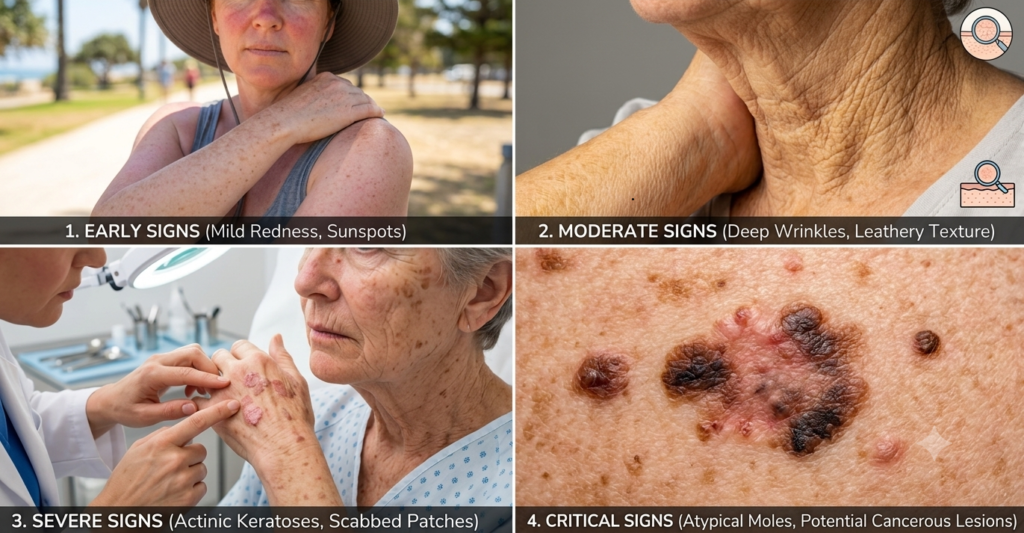
Long-term signs of chronic UV exposure include progressive vision changes, difficulty seeing clearly at night, increased sensitivity to glare, and yellowing or browning of the lens. Some individuals may notice a visible growth on the white part of their eye or changes in the appearance of their eyelids. If you experience any of these symptoms, especially if they persist, consulting with an eye care professional is essential for proper diagnosis and treatment.
The challenge with UV damage is that many eye conditions develop gradually and asymptomatically, meaning you may not notice problems until substantial damage has already occurred. This underscores the importance of preventive measures rather than relying on symptoms to prompt action.
Choosing the Right Sunglasses for Eye Protection
Selecting high-quality sunglasses is one of the most effective ways to implement sun protection for your eyes. Not all sunglasses are created equal, and simply darkening the lenses doesn’t guarantee UV protection. When shopping for sunglasses, look for labels indicating 100% UV protection or UV400 blocking, which means the lenses block 100 percent of both UVA and UVB rays up to 400 nanometers.
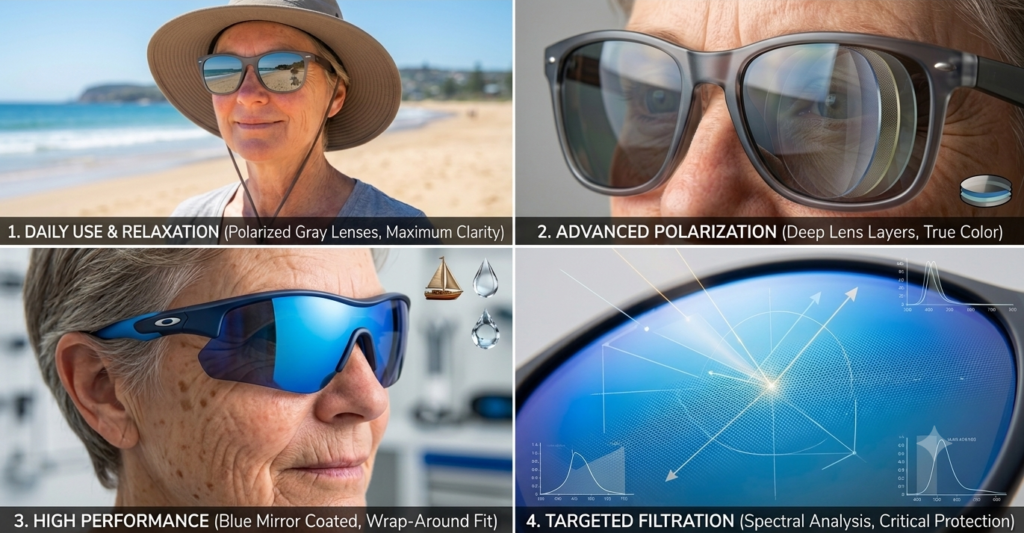
The lens size and shape matter significantly larger lenses or wraparound styles provide better coverage and prevent UV rays from entering the eyes from the sides. Polarized lenses are an excellent addition to UV-blocking sunglasses, as they reduce glare from reflective surfaces, further protecting your eyes and enhancing visual comfort. When it comes to lens color, gray, brown, and green are considered the most natural and effective at reducing glare while maintaining color perception.
It’s worth noting that the darkness of the lens doesn’t correlate with UV protection. A pair of affordable sunglasses with 100% UV protection is vastly superior to expensive designer sunglasses that lack adequate UV blocking. When choosing sunglasses, prioritize the UV protection rating over aesthetics, as your eye health should always be the primary concern. Additionally, investing in sunglasses for children is crucial, as their eyes are particularly vulnerable to UV damage, and childhood sun exposure significantly increases the risk of developing ocular diseases later in life.
Additional Methods of Sun Protection for Eyes
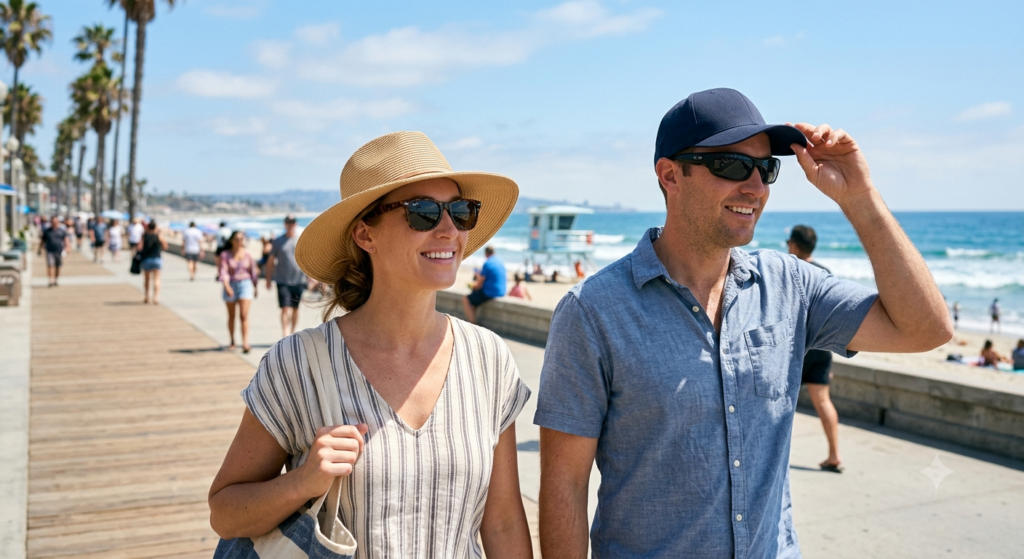
While sunglasses are the most obvious choice for eye sun protection, several other strategies can complement this defense. Wearing a wide-brimmed hat—one with a brim of at least 3 inches—can block approximately 50 percent of UV rays from reaching your eyes. When combined with sunglasses, a hat provides comprehensive protection and is particularly beneficial during extended outdoor activities.
Timing is another critical factor in sun protection for eyes. The sun’s UV rays are strongest between 10 a.m. and 4 p.m., so limiting outdoor activities during these hours, especially without proper protection, can significantly reduce UV exposure. Seeking shade whenever possible is a simple yet effective strategy, particularly during peak sun hours. If you enjoy outdoor activities like swimming or water sports, consider wearing UV-protective contact lenses or prescription sunglasses designed for your specific vision needs.
For individuals with certain occupations or hobbies that involve significant sun exposure, such as construction workers, lifeguards, or outdoor enthusiasts, additional protective measures are warranted. This may include wearing specialized protective eyewear designed for your specific environment and ensuring regular eye examinations to monitor for early signs of UV-related damage. Some occupational safety guidelines recommend professional-grade UV-protective eyewear for workers in high-exposure environments.
Do’s and Don’ts of Eye Sun Protection
| Do’s | Don’ts |
| ✓ Wear 100% UV-blocking sunglasses daily | ✗ Don’t rely on sunglasses alone without a hat |
| ✓ Use sunglasses with UV400 protection rating | ✗ Don’t assume dark lenses provide UV protection |
| ✓ Wear a wide-brimmed hat (3+ inches) | ✗ Don’t forget to protect eyes during cloudy days |
| ✓ Apply UV-protective eye makeup | ✗ Don’t look directly at the sun, even during eclipse |
| ✓ Seek shade during peak sun hours (10am-4pm) | ✗ Don’t neglect children’s eye protection |
| ✓ Schedule regular eye exams | ✗ Don’t purchase cheap sunglasses without UV labels |
| ✓ Use UV-protective contact lenses | ✗ Don’t skip eye protection at the beach or mountains |
| ✓ Reapply sunscreen around the eye area | ✗ Don’t assume water provides adequate sun protection |
UV Index Guide and Eye Safety
Understanding the UV index is crucial for determining the level of sun protection your eyes need on any given day. The UV index scale ranges from 0 to 11+, with higher numbers indicating stronger UV radiation and greater potential for eye damage.
| UV Index | Exposure Category | Recommended Eye Protection | Approximate Time to Eye Damage* |
|---|---|---|---|
| 0–2 | Low | Sunglasses are recommended when outdoors. | 60+ minutes |
| 3–5 | Moderate | Wear UV-blocking sunglasses and seek shade, especially between 10 AM and 4 PM. | 30–45 minutes |
| 6–7 | High | Wear certified UV-blocking sunglasses and limit outdoor exposure during peak sunlight hours. | 15–25 minutes |
| 8–10 | Very High | Use full protection: UV-blocking sunglasses, a wide-brim hat, and stay in the shade whenever possible. | 10–15 minutes |
| 11+ | Extreme | Maximum protection is essential. Stay indoors if possible, and avoid unnecessary sun exposure. | Less than 10 minutes |
The UV index varies based on several factors, including the time of day, season, latitude, altitude, and cloud cover. Even on cloudy days, up to 80 percent of UV rays can penetrate cloud cover, so protecting your eyes year-round is essential. Checking the daily UV index forecast in your area can help you plan your outdoor activities and determine the appropriate level of eye protection needed.
Specialized Sunglasses for Different Activities
Different activities require different levels of eye protection. Aviator sunglasses are popular for outdoor activities and provide good coverage, though they may not protect the eyes from the sides as effectively as wraparound styles. Sport sunglasses with wraparound designs offer superior protection for athletes and outdoor enthusiasts. Driving sunglasses are specifically designed to reduce glare from windshields and road surfaces, enhancing safety and comfort during long drives. For water activities, polarized lenses are particularly beneficial as they reduce glare from water surfaces. However, it’s important to note that even while wearing sunglasses in water, UV rays can reflect off the water and cause damage. Water sports enthusiasts should consider using UV-protective contact lenses as an additional layer of protection.

Frequently Asked Questions
Q: Can UV rays harm my eyes through window glass?
A: Standard window glass blocks most UVB rays but allows some UVA rays to pass through. Extended time near windows without UV protection, particularly in cars, can still pose some risk. UV-protective window film or sunglasses when sitting near windows provide additional safety.
Q: At what age should children wear sunglasses?
A: Eye protection should begin in infancy. Children are more susceptible to UV damage than adults, and cumulative exposure during childhood increases the risk of developing eye diseases later in life. Ensure children wear sunglasses whenever they’re outdoors during daylight hours.
Q: Are prescription sunglasses better than regular sunglasses?
A: Prescription sunglasses can be beneficial for those who wear vision correction, as they eliminate the need to wear both glasses and sunglasses. However, standard UV-blocking sunglasses worn over regular glasses provide equivalent UV protection.
Q: How often should I have my eyes examined? A: The American Academy of Ophthalmology recommends regular eye exams every 1-2 years for adults without eye problems. Those with existing eye conditions or significant sun exposure should have more frequent examinations.
Conclusion
Sun protection for your eyes is not an optional aspect of health maintenance—it is a critical necessity for preserving your vision and preventing serious ocular diseases. The cumulative effects of UV radiation on the eyes can lead to cataracts, macular degeneration, pterygium, and other conditions that can significantly impact your quality of life. By implementing comprehensive sun protection strategies, including wearing 100% UV-blocking sunglasses, using wide-brimmed hats, timing outdoor activities to avoid peak sun hours, and maintaining regular eye examinations, you can substantially reduce your risk of UV-related eye damage.
Remember that protecting your eyes from the sun is a lifelong commitment. The habits you establish today will have lasting impacts on your vision and ocular health in the decades to come. Whether you’re spending a day at the beach, working outdoors, or simply running errands around town, taking a few moments to put on proper eye protection is a small investment in your long-term health. Make sun protection for your eyes a daily habit, and your vision will thank you for it.